The Role of Arts Education in Shaping a Creative Community
In today’s rapidly evolving world, creativity is not just a personal asset but a communal strength. Amidst economic shifts, technological advancements, and cultural changes, fostering a creative community has become increasingly vital. One of the core drivers of such communities is arts education. This article explores how arts education is instrumental in shaping creative communities, enhancing cultural understanding, and boosting economic growth.
The Foundation of Creativity
.png)
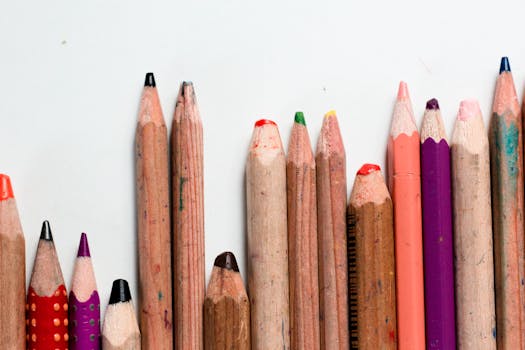
Arts education encompasses a wide range of disciplines – from visual arts and music to theater and dance. These disciplines do more than teach students how to create; they teach them how to think critically, solve problems creatively, and communicate effectively. These skills are essential in any field but are particularly important in fostering environments where innovation thrives.
Impact on Students
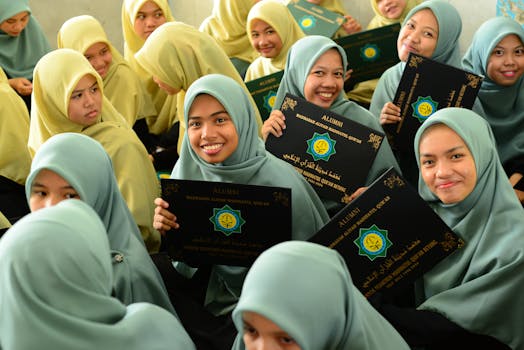
Studies have shown that students who participate in arts education are not only more proficient in academic subjects but are also more likely to exhibit social empathy, which is the ability to understand and share the feelings of another. This is particularly significant because empathy plays a crucial role in building cohesive communities. Arts education helps students develop a sense of identity and belonging, which translates into more active and engaged community members.
Economic Contributions
Creative communities are not just culturally rich; they are also economically robust. Arts education contributes to the economy by creating jobs, attracting investments, and generating tax revenues. Cultural institutions and events draw tourists and locals alike, boosting local economies. Moreover, communities with strong arts programs are more likely to attract businesses that value creative problem-solving and innovation.
Cultural Understanding and Diversity
Arts education plays a critical role in promoting cultural understanding and diversity. Through the arts, students explore different cultures, histories, and perspectives, which fosters a greater appreciation and respect for diversity. This is particularly important in our globalized world, where communities are becoming more diverse. Arts education makes it possible for individuals from different backgrounds to connect and collaborate, building a more inclusive community.
Enhancing Quality of Life
A community that values arts education is likely to have a high quality of life. The arts provide a means of expression and connection, contributing to mental and emotional well-being. Community arts programs can reduce social isolation and increase civic engagement by bringing people together for performances, exhibitions, and workshops.
Challenges and Opportunities
Despite the benefits, arts education faces several challenges. Budget constraints, shifting educational priorities, and a focus on STEM subjects can sideline arts programs. However, these challenges also present opportunities for community leaders, educators, and policymakers to advocate for the integration of arts into the educational curriculum.
Investing in arts education is investing in the community's future. Partnerships between schools, local arts groups, and businesses can provide resources and opportunities for students. Community-wide arts events and initiatives can engage the entire population, strengthening the community fabric.
Conclusion
Arts education is more than just learning about how to paint or dance. It is about building a foundation for creative thinking, cultural understanding, and economic growth. By integrating arts education into our communities, we can foster environments where innovation and diversity thrive. It’s not merely an investment in individual students but in the community’s future, enhancing everyone’s quality of life through the power of creative expression.
As we look to the future, the role of arts education in shaping creative communities remains not only relevant but essential. It is a powerful tool that can help solve some of the most complex challenges of our time, including social integration, economic development, and cultural exchange. Investing in arts education means investing in a brighter, more creative future for all.