Supporting Local Talent: The Role of Art Galleries
Art galleries are more than just exhibition spaces; they are dynamic hubs that nurture creativity, foster local economies, and connect communities with the unique perspectives of their own artists. In cities and small towns alike, these institutions play an essential role in discovering, promoting, and sustaining local talent. As the art world grows ever more globalized, the importance of supporting local artists through galleries becomes increasingly vital—not only for the artists themselves but also for the cultural and economic health of their communities.
The Power of Local Art Galleries in Artist Development
Local art galleries serve as incubators for emerging artists, offering resources, mentorship, and a platform to showcase new work. Unlike large, commercial galleries that often prioritize established names, local galleries are dedicated to discovering hidden gems within their communities. According to a 2022 survey by the National Endowment for the Arts, 62% of artists who gained national recognition in the past decade started by exhibiting in small local galleries.
These galleries frequently provide artists with critical feedback, professional development opportunities, and the chance to build relationships with curators and collectors. For instance, the "First Fridays" program in Kansas City highlights local talent by rotating exhibitions every month, giving dozens of artists their first professional showing each year. With support ranging from portfolio reviews to workshops on pricing and marketing art, galleries help artists transition from hobbyists to professionals.
.png)
Economic Impact: Galleries as Engines of Local Prosperity
Art galleries are significant contributors to the local economy, generating revenue not only for artists but also for surrounding businesses. Research from Americans for the Arts highlights that nonprofit arts and culture organizations, including galleries, generated $166.3 billion in economic activity in 2019 in the United States alone. This figure includes both direct spending by the organizations and indirect impact from event attendees.
A thriving gallery scene attracts visitors who dine at local restaurants, shop at nearby stores, and stay at local hotels. For example, the annual Gallery Night in Milwaukee draws over 25,000 attendees, resulting in an estimated $1.2 million in economic activity for the city. Additionally, galleries often partner with local artisans, framers, and event planners, further amplifying their economic reach.
The table below compares the economic contributions of local galleries in three U.S. cities:
| City | Annual Gallery Visitors | Estimated Economic Impact | Number of Local Artists Supported |
|---|---|---|---|
| Portland, OR | 50,000 | $2.4 million | 150 |
| Savannah, GA | 18,000 | $900,000 | 70 |
| Boise, ID | 12,500 | $600,000 | 45 |
Community Engagement and Cultural Identity
Art galleries help define and preserve the cultural identity of a community. By showcasing work that reflects local experiences, histories, and traditions, galleries ensure that the voices of the region’s artists are heard and celebrated. This fosters a sense of pride and belonging among residents.
Community engagement initiatives—such as open studio events, artist talks, and collaborative exhibitions—invite the public to interact directly with artists and their work. In 2023, a study by the University of Michigan found that neighborhoods with accessible galleries reported 27% higher rates of community participation in cultural activities compared to those without such institutions.
Furthermore, galleries often serve as safe spaces for dialogue on social and political issues. For example, the "Voices Unveiled" exhibition at the Marfa Contemporary Gallery in Texas brought together artists from diverse backgrounds to address themes of migration, identity, and resilience, attracting both local residents and visitors from across the state.
Bridging the Gap: Galleries and Young Artists
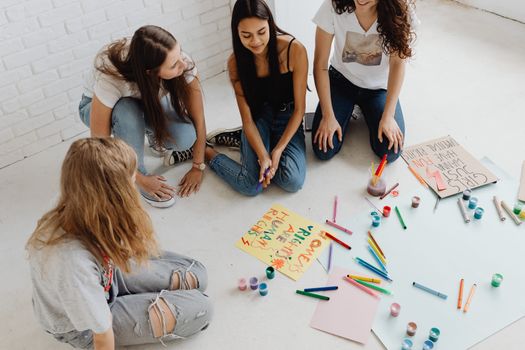
One of the most significant roles of art galleries is to support and inspire young and emerging artists. Through youth-focused exhibitions, internships, and mentoring programs, galleries provide critical early-career support. According to the Creative Youth Development National Partnership, 73% of young artists who participated in gallery-run mentorships reported increased confidence in their artistic abilities and a clearer path toward a professional career.
Many galleries collaborate with local schools and universities, offering students the opportunity to display their work in professional settings. This exposure not only boosts artistic ambition but also introduces young talent to collectors and critics. For example, the Youth Art Exhibit at the San Francisco Art Exchange showcases the work of over 100 students annually, with several going on to receive scholarships and gallery representation.
Challenges Facing Local Galleries and Artists
Despite their vital role, local art galleries and the artists they support face significant challenges. Funding is often a persistent concern; many galleries operate with limited budgets, relying on grants, donations, and small commissions. The COVID-19 pandemic exacerbated these issues, with the Art Dealers Association of America reporting a 36% drop in gallery revenue in 2020.
Additionally, the rise of digital platforms has changed the way art is discovered and sold. Online marketplaces can expose artists to a wider audience but also create intense competition and pressure to lower prices. Some local galleries have responded by developing hybrid models that combine physical exhibitions with virtual showrooms, helping artists reach new buyers while maintaining the personal connections that make local art scenes unique.
Gentrification and rising rents in urban centers also pose threats to gallery spaces, often forcing them to relocate or close entirely. In response, innovative solutions are emerging, such as pop-up galleries and artist-run cooperatives, which help maintain a vibrant local arts ecosystem.
The Future of Local Art Galleries: Innovation and Adaptation
To continue supporting local talent in a changing world, galleries are embracing new strategies and technologies. Virtual exhibitions, online sales platforms, and interactive digital catalogs have made it possible for galleries to reach audiences far beyond their immediate communities. According to the Hiscox Online Art Trade Report 2023, 67% of galleries now offer some form of online viewing room, and 54% of buyers under age 40 prefer to discover new art online.
Galleries are also expanding their educational and outreach programs, collaborating with local governments, nonprofits, and businesses to create more inclusive and accessible art experiences. By prioritizing diversity in their programming and leadership, galleries can ensure that the full spectrum of local talent is recognized and celebrated.
Partnerships with local technology firms, museums, and cultural organizations are increasingly common, resulting in projects like augmented reality art walks and community-curated exhibitions. These innovations help galleries stay relevant and resilient, ensuring their continued ability to support and elevate local artists in the years to come.
Conclusion
Art galleries are indispensable in supporting local talent. They provide resources, exposure, and economic opportunities for artists, while enriching the cultural fabric and identity of communities. By adapting to new challenges and embracing innovation, galleries can continue to nurture the next generation of local artists, ensuring that creativity and culture thrive at every level of society. Supporting local galleries is not just an investment in art—it is an investment in the vitality and resilience of the communities they serve.