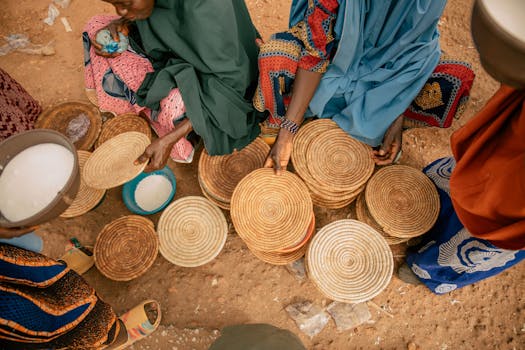
Local craft fairs represent much more than a weekend activity; they are a pivotal component of local economic and cultural vitality. Serving as a showcase for small businesses and artisans, these fairs enable entrepreneurs to reach a broader audience, directly engage with customers, and enhance their sales and visibility.
Economic Impact on Small Businesses
One of the primary benefits of local craft fairs is the platform they provide to small businesses and independent artisans. These events allow sellers to bypass traditional retail channels, which often involve multiple intermediaries. By selling directly to consumers, artisans can retain a greater share of the profits and gain valuable insights from customer interactions. This direct feedback can lead to improved products and customer service, enhancing brand loyalty and encouraging repeat business.
.png)
Local craft fairs encourage the circulation of money within the community, supporting not just the artisans, but also the broader local economy. When customers purchase from local vendors, they are directly contributing to the livelihood of local families and the health of other community-based businesses. This reinvestment in the community helps to sustain a vibrant local market and can stimulate further economic activity.
Cultural and Social Benefits
Beyond their economic impact, craft fairs play a crucial role in preserving local culture and traditions. Artisans often showcase crafts that carry historical and cultural significance, helping to maintain a sense of identity and continuity within the community. Moreover, these gatherings serve as social events that strengthen community bonds and foster a sense of pride and belonging.
Encouraging Tourism
Craft fairs also attract tourists, who contribute to the local economy by spending on accommodations, food, and other services. Visitors drawn to unique, locally made products can significantly amplify the economic benefits of a craft fair, making these events a tool for promoting tourism and exposing a wider audience to local culture.
Environmental Advantages
The environmental impact of local craft fairs is another significant benefit. These events promote the sale of locally made products, which often involve shorter supply chains compared to mass-produced items. This reduction in transportation requirements can decrease the carbon footprint associated with these goods. Additionally, many artisans at craft fairs use sustainable materials and methods, contributing further to environmental conservation.
Supporting Local Craft Fairs
To maximize the benefits of local craft fairs, community leaders and policymakers can play a supportive role. Providing accessible venues, financial grants, and promotional support through local tourism boards are effective ways to enhance the visibility and success of these events. Such support not only benefits the craft fairs themselves but also promotes broader economic development and community well-being.
Conclusion
In conclusion, local craft fairs are invaluable to the economic, cultural, and environmental landscape of communities. They support small businesses, enhance cultural preservation, and foster a sense of community identity. By recognizing and nurturing these events, communities can ensure a thriving local economy and a richer, more connected community life.