Cultural Festivals: Celebrating Diversity and Unity
Cultural festivals are vibrant expressions of human society, weaving together history, tradition, and creativity into unforgettable celebrations. Across continents and centuries, these festivals have served as powerful platforms where people from all walks of life gather to honor their heritage, share stories, and foster a profound sense of togetherness. Whether it’s a centuries-old harvest festival, a modern multicultural parade, or a vibrant street food fair, cultural festivals play a crucial role in promoting diversity and unity in today’s interconnected world.
In this article, we’ll explore how cultural festivals celebrate diversity, bridge communities, drive social and economic benefits, adapt to changing times, and foster a deeper appreciation of global traditions. We’ll also compare some of the world’s most iconic festivals and answer your most common questions about these extraordinary events.
The Role of Cultural Festivals in Celebrating Diversity
Cultural festivals are living testaments to the richness and variety of human life. Each festival, whether local or international, is an opportunity for communities to showcase their unique customs, languages, music, dance, art, and cuisine. These celebrations offer both insiders and outsiders a window into traditions that might otherwise remain hidden.
.png)
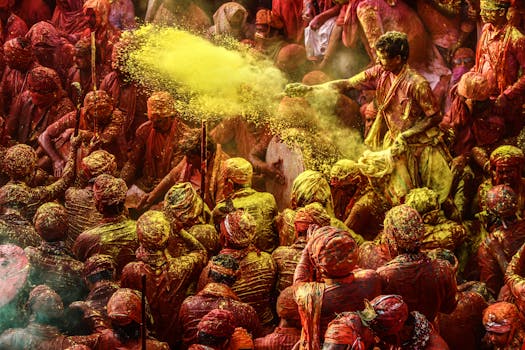
For example, the Notting Hill Carnival in London, attracting over 2 million visitors annually, is a celebration of Caribbean culture that brings together diverse music, colorful costumes, and Caribbean cuisine. Similarly, India’s Holi festival, known as the Festival of Colors, is celebrated by millions around the world, transcending religious and national boundaries as people of all backgrounds join in vibrant displays of unity.
In the United States, the Lunar New Year Parade in San Francisco draws over 1.5 million spectators and participants, highlighting Chinese culture while welcoming all backgrounds to join in the festivities. These events not only preserve cultural identities but also invite others to learn, participate, and appreciate the world’s diverse heritage.
Building Bridges: How Festivals Unite Communities
Beyond their role in celebrating differences, cultural festivals are powerful tools for building bridges between communities. By bringing together people from varied backgrounds, these events foster understanding, reduce prejudice, and strengthen social cohesion.
A striking example is the Calgary Multicultural Festival in Canada, where over 60 cultural groups come together to share performances, food, and traditions. Research from the Canadian Heritage Foundation shows that 83% of attendees at multicultural festivals report feeling a stronger sense of community and increased respect for other cultures.
In South Africa, the National Arts Festival in Makhanda serves as a unifying force in a country with a complex history of division. The festival features performances and exhibits from over 700 artists representing a wide range of ethnic groups, languages, and traditions. Attendees frequently report that participating in the festival deepens their understanding of their neighbors’ backgrounds and strengthens bonds across communities.
Economic and Social Impact of Cultural Festivals
Cultural festivals are not just celebrations—they are significant drivers of economic and social well-being. Globally, the festival and event industry is estimated to be worth over $1.1 trillion as of 2023, according to Allied Market Research. Festivals create jobs, boost tourism, and support local businesses, especially in the hospitality and crafts sectors.
For instance, the Rio Carnival in Brazil attracts more than 2 million tourists each year, generating approximately $900 million for the local economy. The Edinburgh Festival Fringe in Scotland, the world’s largest arts festival, draws nearly 3 million visitors and contributes around $150 million to the city’s economy every year.
Socially, these festivals provide a platform for underrepresented voices and marginalized groups, offering opportunities for dialogue, inclusion, and empowerment. Surveys have shown that attendees of cultural festivals report higher levels of happiness, increased feelings of belonging, and more positive attitudes toward cultural diversity.
Here is a comparison of some of the world’s largest cultural festivals and their economic and social impact:
| Festival | Location | Annual Visitors | Economic Impact | Notable Social Impact |
|---|---|---|---|---|
| Rio Carnival | Rio de Janeiro, Brazil | 2 million+ | $900 million | Promotes Afro-Brazilian culture, fosters unity |
| Edinburgh Festival Fringe | Edinburgh, Scotland | 3 million | $150 million | Platform for new artists and diverse voices |
| Notting Hill Carnival | London, UK | 2 million | $120 million | Celebrates Caribbean heritage, unites communities |
| Harbin Ice Festival | Harbin, China | 18 million | $5.8 billion | Boosts winter tourism, showcases art and culture |
Adapting Traditions: Modern Innovations in Cultural Festivals
While many cultural festivals are rooted in centuries-old traditions, they are constantly evolving to reflect changes in society, technology, and global connectivity. The COVID-19 pandemic, for example, forced festivals worldwide to innovate, leading to a surge in virtual celebrations and hybrid formats.
The 2021 Lunar New Year celebrations in Singapore were held both online and in-person, with virtual lion dances, online cooking classes, and livestreamed performances. This digital pivot allowed people from around the world to experience the festival, expanding its reach and impact.
Many festivals are also embracing sustainable practices to minimize their environmental footprint. The Green Man Festival in Wales, UK, has introduced solar-powered stages and banned single-use plastics, setting a benchmark for eco-friendly celebrations. These innovations ensure that cultural festivals remain vibrant, inclusive, and relevant for generations to come.
Fostering Global Understanding Through Festivals
Cultural festivals play a vital role in fostering global understanding in an increasingly interconnected world. By showcasing the art, music, food, and customs of different cultures, these festivals break down stereotypes, encourage curiosity, and promote empathy.
UNESCO’s International Jazz Day, celebrated in over 190 countries, is a prime example of how a single festival can unite people across continents. The event features concerts, educational programs, and community outreach, highlighting jazz as a symbol of freedom and dialogue.
Studies have shown that participation in cultural festivals increases intercultural competence, with 72% of respondents in a European Festivals Association survey reporting a greater appreciation for global cultures after attending multicultural events. These experiences create lasting memories and inspire participants to become ambassadors for diversity and inclusion in their own communities.
Preserving Heritage: The Importance of Passing Down Traditions
One of the most significant roles of cultural festivals is the preservation and transmission of heritage. Festivals provide a structured, communal space in which elders share stories, rituals, music, and skills with younger generations, ensuring that traditions endure.
For example, Japan’s Gion Matsuri in Kyoto, held every July for over 1,100 years, involves elaborate float processions, traditional music, and centuries-old crafts. Local families take pride in preparing for the festival, passing down costumes, songs, and dances from parent to child.
In West Africa, the Osun-Osogbo Festival in Nigeria attracts visitors from around the globe and plays a vital role in maintaining Yoruba religious and cultural traditions. The festival is recognized by UNESCO as a Masterpiece of the Oral and Intangible Heritage of Humanity, highlighting the global importance of preserving such practices.
Conclusion: The Enduring Power of Cultural Festivals
Cultural festivals are more than just lively gatherings—they are threads in the rich tapestry of human civilization. By celebrating diversity, fostering unity, and adapting to a changing world, these festivals remind us of the shared joys and challenges that bind us together. Their economic, social, and cultural impact is profound, shaping not only local communities but also the global society. As we look to the future, supporting and participating in cultural festivals remains one of the most joyful and meaningful ways to honor our collective humanity.