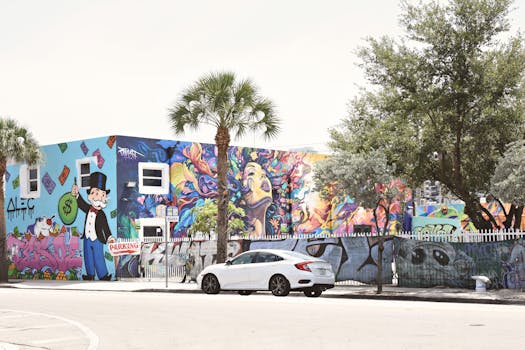
Community arts projects represent a dynamic intersection of creativity and social activism, serving as a potent catalyst for community engagement and transformation. By integrating various artistic disciplines such as theater, music, dance, and visual arts, these initiatives do more than just cultivate individual artistic skills; they foster a collective spirit and address pivotal social issues, making them a crucial element in the tapestry of community development.
The Role of Community Arts in Building Bridges
Community arts excel in bringing together diverse groups, creating a melting pot of ideas and cultures. Participants from different racial, socioeconomic, and generational backgrounds come together, forging connections that might not otherwise occur. This diversity enriches the projects and provides a richer, more varied tapestry of artistic expression. By breaking down societal barriers, community arts promote inclusivity, empathy, and a shared sense of purpose.
.png)
Addressing Social Issues Through Creative Expression
Community arts projects often tackle pressing social challenges such as inequality, injustice, and segregation. Through the arts, these heavy topics are more accessible and open to discussion among community members. For example, theatrical productions can confront issues like discrimination or addiction, helping to stimulate conversation and potentially spark community-led initiatives to tackle such issues. Visual arts, like community murals, not only beautify a space but also highlight local narratives and histories, giving voice to those often overlooked.
Personal and Economic Growth
Participation in community arts has profound personal benefits. Individuals involved in these projects often experience enhanced self-confidence, improved emotional expression, and developed social skills. These personal gains translate into broader community benefits, including economic revitalization. Arts-driven community projects can attract tourism, create jobs, and boost local businesses, contributing to the economic sustainability of the area.
Navigating Challenges
Despite their benefits, community arts programs often face substantial challenges. Funding remains a significant barrier, with arts generally receiving less prioritization by governments and private entities. The impact of community arts is sometimes hard to quantify, making it difficult to secure sustained financial support. However, strategic partnerships with local businesses, government entities, and non-profits can provide both financial backing and increased visibility.
The Path Forward
To maximize their impact, community arts organizations should focus on robust marketing strategies and compelling storytelling to showcase their projects' success and community impact. Sharing success stories can attract more funding and participation from the community, helping to ensure the sustainability of these initiatives.
Conclusion
Community arts are not merely an outlet for creative expression but a foundational strategy for social change and community development. They provide a platform for dialogue, a catalyst for economic growth, and a bridge across diverse communities. With strategic support and recognition, community arts can continue to transform societies, fostering a more inclusive, empathetic, and vibrant community life. Through continued support and recognition, the transformative power of community arts will continue to flourish, driving positive change and nurturing community solidarity.