Public art is a vital component of urban development, transforming spaces and enriching communities in diverse ways. By integrating art into public spaces, cities can enhance their aesthetic appeal, foster social interactions, celebrate cultural diversity, and even boost their local economies. This multifaceted impact makes public art crucial for the holistic development of urban environments.
Aesthetic Enhancement
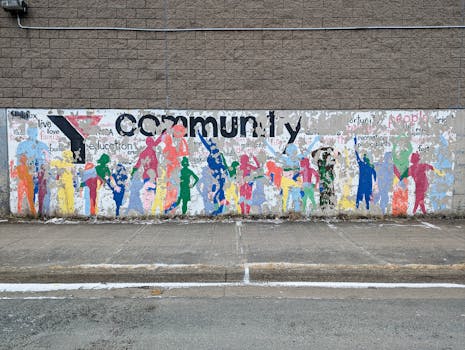
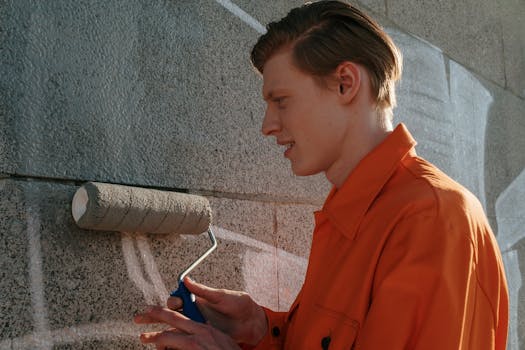
Urban areas, often dominated by concrete and steel, can appear stark and inhospitable. Public art injects beauty and creativity into these spaces, making them more visually appealing and inviting. Artworks like murals, sculptures, and installations add color, texture, and form to the urban landscape, transforming mundane environments into vibrant public galleries. The visual stimulation provided by public art not only enhances the urban aesthetic but also promotes a sense of well-being among residents and visitors.
.png)
Social Engagement
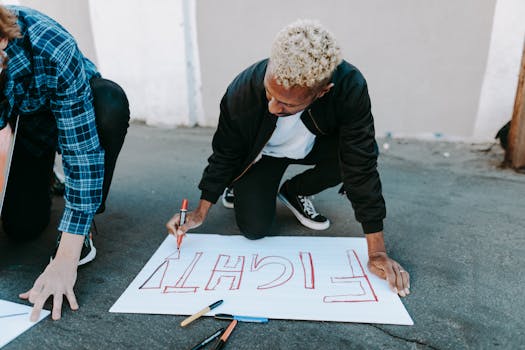
Public art is not just a visual experience; it also serves as a social catalyst. By creating interactive and communal spaces, artworks encourage residents to interact with their environment and with each other. Whether it’s a sculpture park that invites contemplation or an interactive digital installation that gathers crowds, public art fosters community engagement and connectivity. These spaces become communal hubs where people can meet, converse, and share experiences, strengthening community bonds and enhancing social cohesion.
Cultural Expression
Public art often reflects the cultural identity and values of the community. It can tell the history of a place, express communal values, or highlight social issues, providing a powerful platform for cultural expression and dialogue. This form of expression can be particularly empowering for marginalized groups, giving them a voice and visibility in the public sphere. Furthermore, public art can promote understanding and appreciation among diverse community segments, helping to bridge cultural divides and build a more inclusive community.
Economic Benefits
The impact of public art extends beyond aesthetics and social benefits; it also has significant economic implications. Public art attracts tourists and locals alike, increasing foot traffic and supporting local businesses. It can also enhance property values, contributing to urban regeneration and revitalization. Cities that invest in public art can see a return on investment through increased tourism, business growth, and higher property values, making it a smart economic strategy as well as a cultural one.
Challenges and Considerations
Despite its benefits, public art faces challenges such as maintenance, vandalism, and public controversy. The costs associated with preserving art in public spaces can be significant, especially for large-scale installations or delicate materials. Additionally, not all artworks are received positively by the public, leading to debates over taste, appropriateness, and public funding.
To effectively integrate public art into urban planning, it is crucial for city planners and policymakers to involve the community in the selection and development of art projects. Public input can ensure that the art resonates with residents and is more likely to be embraced and preserved. Moreover, choosing artists who understand and respect the community's cultural and social landscape can lead to more meaningful and impactful artworks.
Conclusion
Public art is more than just decoration for urban spaces; it is a pivotal element in shaping the cultural, social, and economic landscape of cities. By fostering beauty, engagement, and economic growth, public art plays a crucial role in enhancing the livability and vibrancy of urban environments. As cities evolve, the strategic integration of art into public spaces will continue to be a key factor in their growth and development, making public art an essential consideration for future urban planning initiatives.