The rise of creative communities in the digital era has fundamentally transformed the ways in which creators connect, collaborate, and bring their visions to life. This transformation is facilitated by an array of digital tools and platforms that have made it easier than ever for artists, writers, designers, and creators from various disciplines to share their work and inspire each other, regardless of their geographic locations.
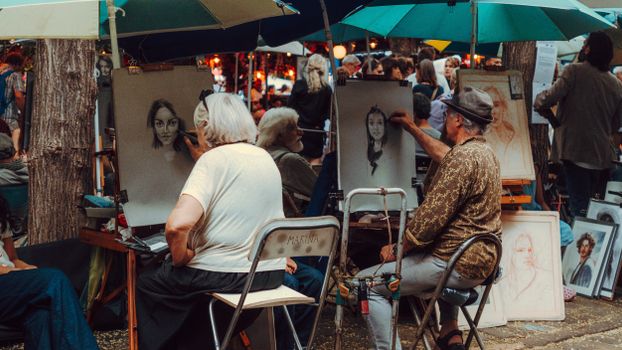
Historically, creative communities often gathered in physical spaces like cafes and salons, where they exchanged ideas and influenced one another's work. The digital era, however, has expanded these gatherings to a global scale, enabling creators to participate in a vast, interconnected network that transcends traditional geographic and cultural boundaries.
Platforms like social media, blogging sites, and specialized collaborative spaces such as GitHub for developers or Behance for designers, have democratized creative expression. They provide tools that lower barriers to entry, making it possible for anyone with an internet connection to showcase their creations, receive feedback, and refine their work. This open access has led to a surge in creative output and innovation, enriching the global cultural tapestry.
.png)
Additionally, the digital age has redefined how creators monetize their work. Platforms such as Etsy, Patreon, and Kickstarter allow artists to fund their projects through direct community support, bypassing conventional funding methods like gallery exhibitions or publishing contracts. This shift not only empowers creators but also cultivates entire ecosystems that support and nurture creative endeavors.
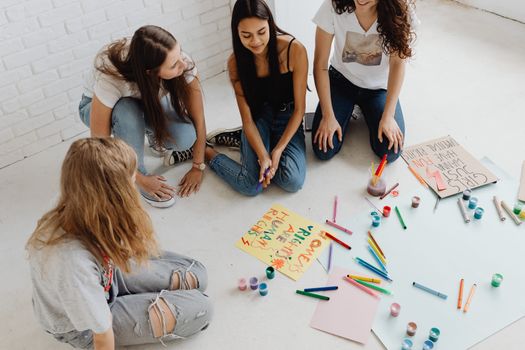
Collaboration is another cornerstone of digital creative communities. Projects that involve co-creation or crowdsourcing, such as open-source software development, harness the collective expertise of global contributors. This collaborative approach has spurred significant innovations and demonstrated that collective efforts often lead to outcomes that no single individual could achieve alone.
Despite these benefits, digital creative communities face notable challenges. Issues such as copyright infringement, data privacy, and the digital divide can hinder participation and complicate the processes of sharing and monetizing creative work. Moreover, the vast amount of content being produced can overwhelm creators and make it difficult for unique voices to emerge in a crowded marketplace.
Nevertheless, the advantages of participating in digital creative communities are significant. These communities promote a culture of continuous learning and sharing, where experienced professionals can mentor newcomers, and peers can exchange constructive feedback instantaneously. This dynamic fosters rapid skill development and promotes a more diverse and inclusive range of perspectives in creative discussions.
As technology evolves, the potential for digital creative communities to further influence and reshape the creative landscape remains vast. Innovations in virtual reality, artificial intelligence, and other emerging technologies are likely to redefine the boundaries of creativity and collaboration even further.
In summary, the emergence of creative communities in the digital era is a pivotal development in the cultural and creative sectors. By breaking down traditional barriers and fostering an environment of collaboration and innovation, these communities not only empower individual creators but also significantly influence the broader landscape of creativity. The continued evolution of these communities will undoubtedly play a crucial role in shaping the future of creative expression.