Capturing Better Community Moments: Techniques for Improving Community Photography
Community photography is more than just snapping pictures at a local event or gathering. It’s about telling stories, building connections, and representing the spirit of a place and its people. Whether you’re a volunteer chronicling a neighborhood festival, a local news contributor, or someone passionate about documenting everyday life, improving your community photography skills can make your images more meaningful and impactful. This guide dives deeply into practical techniques, emerging trends, and creative approaches to help you elevate your community photography—while keeping it authentic and engaging.
Understanding the Unique Challenges of Community Photography
Community photography comes with its own set of challenges that set it apart from other photographic genres. Unlike controlled studio environments or solitary landscapes, photographing community life means working with unpredictable lighting, diverse subjects, and rapidly unfolding moments.
Unpredictable Lighting: Many community events happen outdoors, where lighting changes constantly. According to a 2022 survey by the Professional Photographers of America, 67% of event photographers cite inconsistent lighting as their biggest technical hurdle.
.png)
Diverse Subjects: Community gatherings include people of all ages, backgrounds, and comfort levels with being photographed. Capturing genuine expressions while respecting privacy is paramount.
Fast-paced Action: From parades to protests, moments happen quickly. Missing the decisive shot is a common frustration.
Awareness of these challenges is the first step toward overcoming them. The following techniques address these pain points directly, equipping you to create compelling, respectful, and technically strong community images.
Mastering Candid Photography: Capturing Authentic Community Life
Candid photography is at the heart of community storytelling. Unlike posed portraits, candid shots reveal genuine emotions and interactions—the laughter at a block party, the concentration during a local chess match, or the spontaneous embrace between neighbors.
Tips for Effective Candid Shots:
Blend In: Dress appropriately for the setting and move quietly. Avoid drawing attention to yourself or your camera. The less obtrusive you are, the more natural your subjects will be.
Use a Longer Lens: A 70-200mm zoom lens allows you to capture moments from a distance without intruding. According to LensRentals, telephoto lenses are among the most rented for event and community photography, precisely for this reason.
Anticipate the Action: Observe the scene and try to predict what might happen next. If children are playing, position yourself where their paths might cross; if a speaker is addressing a crowd, anticipate reactions.
Continuous Shooting Mode: Set your camera to burst mode. This ensures you don’t miss fleeting expressions or interactions.
Respect Privacy: Always be mindful of people’s comfort. If someone seems uneasy, lower your camera and move on, or ask for permission afterward if you captured a particularly strong image.
Lighting Techniques for Community Events and Gatherings
Lighting can make or break a photograph. Community events often feature mixed lighting—bright sun, deep shade, artificial lights, or a combination thereof. Knowing how to adapt is crucial.
Natural Light Strategies:
Golden Hour: The hour after sunrise and before sunset offers soft, flattering light. If possible, schedule your shoots around these times.
Open Shade: On harsh, sunny days, look for shaded areas that offer even, diffused light. Avoid direct sunlight that causes squinting and harsh shadows.
Fill Flash: A small amount of flash can balance bright backgrounds and bring out details in faces. Modern cameras and smartphones have built-in fill flash settings.
Artificial Light Adaptation:
White Balance: Adjust your camera’s white balance to match the lighting. For example, use the “tungsten” setting for indoor incandescent lights.
Use Reflectors: Portable reflectors (even a white poster board) can bounce light onto your subjects, brightening faces and reducing shadows.
ISO Settings: Don’t be afraid to raise your ISO in low light. Modern cameras handle higher ISOs well, and a little grain is often preferable to a blurry picture.
Compositional Techniques for Powerful Community Images
Composition is the backbone of any strong photograph. In community photography, a well-composed image can convey relationships, context, and emotion with a single glance.
Key Compositional Techniques:
Rule of Thirds: Position your main subject off-center, roughly one-third from the edge. This creates dynamic, engaging images.
Layering: Include foreground, middle ground, and background elements to add depth. For example, frame a musician through the crowd, or capture a child’s face with the festival in the background.
Leading Lines: Use roads, fences, or banners to draw the viewer’s eye toward your subject.
Environmental Portraits: Instead of cropping in tightly, show people in their environment. A community gardener in their plot, a coach on the sidelines, or a vendor at their stall—context tells the story.
Negative Space: Don’t be afraid of emptiness. A small group in a large park or a single protester in a wide street can be powerful.
Comparative Table: Composition Techniques Impact
| Technique | Effect | Best Use Case |
|---|---|---|
| Rule of Thirds | Creates balance and dynamic interest | General scenes, portraits |
| Layering | Adds depth and context | Crowded gatherings, parades |
| Leading Lines | Directs viewer’s attention | Marches, festivals with strong visual elements |
| Environmental Portraits | Conveys setting and story | Highlighting local workers, volunteers |
| Negative Space | Emphasizes isolation or scale | Small groups, large venues |
Building Trust and Engagement with Your Community Subjects
One of the unique aspects of community photography is the ongoing relationship between the photographer and the people being photographed. Unlike photojournalists who drop in and out, community photographers often live among their subjects or return repeatedly.
Best Practices for Building Trust:
Be Transparent: Explain your project or intentions to community leaders or event organizers. This ensures you’re welcomed and people know why you’re taking pictures.
Get Consent: Whenever possible, ask for verbal or written permission, especially for close-up portraits or images intended for publication.
Share Your Work: Offer to send copies of photos to those you photograph. Many communities deeply appreciate seeing themselves represented and may even help spread your work.
Highlight Positive Stories: Focus on strengths, achievements, and the vibrancy of community life. Avoid reinforcing negative stereotypes or only documenting hardship.
Cultural Sensitivity: Be aware of cultural norms around photography. Some cultures or religious groups may have specific restrictions or preferences.
A 2021 report by the National Community Photography Network found that 82% of community members felt more positive about being photographed when the photographer engaged them with respect and shared the results.
Leveraging Technology: Smartphones, Drones, and Editing Tools
Modern technology has democratized community photography, making it more accessible and versatile than ever. Good photography no longer requires expensive gear—what matters most is the story you tell.
Smartphones: Over 85% of photos taken globally in 2023 were captured on smartphones (Statista). Use features like portrait mode, HDR, and night mode to maximize image quality. Apps like Snapseed and Lightroom Mobile offer professional-grade editing on the go.
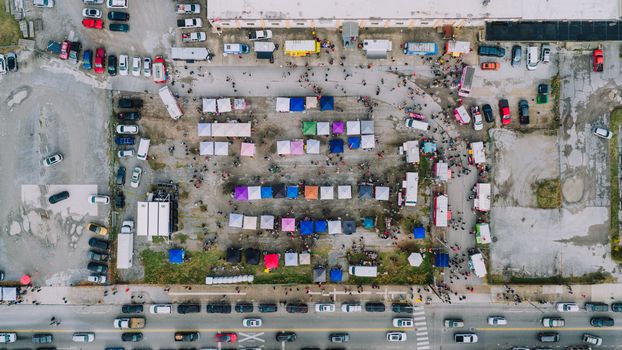
Drones: Aerial shots can provide a unique perspective on community events like fairs, sports matches, or marches. Always check local regulations—many cities require permits for drone use, and privacy laws may apply.
Editing Software: Post-processing can correct exposure, crop for better composition, and enhance colors. Popular tools include Adobe Lightroom, Photoshop, and free alternatives like GIMP. For batch processing, tools like PhotoScape X can save time when editing large numbers of images.
Cloud Sharing: Platforms such as Google Photos or Flickr make it easy to share albums with the community, gather feedback, and even crowdsource captions or stories.
Final Thoughts: Elevating Your Community Photography Practice
Improving your community photography isn’t just about technical mastery—it’s about connecting with people, understanding their stories, and conveying the spirit of a place. By mastering candid techniques, adapting to challenging lighting, refining your composition, building trust, and embracing new technology, you can create images that resonate and endure.
Remember: Great community photography is less about perfect equipment and more about empathy, curiosity, and creativity. The more you practice, engage, and experiment, the stronger your visual storytelling will become.