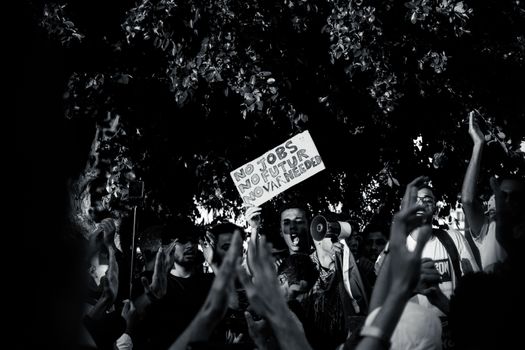
Cinema: A Tool for Social Change in Communities
Cinema holds an extraordinary power to shape perceptions, inspire movements, and transform societies. From grassroots screenings in rural villages to blockbuster films that ignite global conversations, the moving image has consistently played a pivotal role in addressing social issues and sparking real change. In the 21st century, with the widespread availability of digital technology and the growth of global connectivity, cinema’s influence as a vehicle for social change in communities is more significant than ever. This article explores how film serves as a catalyst for community development, social awareness, and collective action, with compelling examples, data, and comparisons to demonstrate its lasting impact.
The Historical Impact of Cinema on Social Movements
Since the dawn of the 20th century, cinema has mirrored and, at times, propelled social movements. In the United States, early films like "The Birth of a Nation" (1915) controversially influenced public perceptions of race, while later works such as "To Kill a Mockingbird" (1962) and "Guess Who’s Coming to Dinner" (1967) challenged audiences to confront racial prejudices. Globally, films like "Battleship Potemkin" (1925) in Russia and "The Battle of Algiers" (1966) in Algeria have served as rallying cries for resistance and revolution.
One striking example is the impact of the Indian film "Lagaan" (2001), which not only entertained millions but also sparked discussions around colonial oppression and rural empowerment. Documentaries, too, have played a crucial role—Michael Moore’s "Bowling for Columbine" (2002) triggered debate on gun control in the United States, while "An Inconvenient Truth" (2006) helped elevate climate change to a global priority.
.png)
The numbers bear out cinema’s influence. According to UNESCO, there are over 7,000 film festivals worldwide, many with a specific focus on social issues. In 2022 alone, the Human Rights Watch Film Festival reached audiences in over 30 countries, promoting dialogue and awareness on critical human rights topics.
Community Screenings: Grassroots Film as a Force for Change
While blockbuster films often grab headlines, it is frequently at the community level where cinema’s impact is most profound. Local film screenings—whether organized in schools, community centers, or open-air venues—provide opportunities for collective viewing and discussion that can ignite social change from the ground up.
For example, the Mobile Cinema Foundation in Kenya brings films addressing health, gender equality, and civic education to remote villages. Their surveys show a 25% increase in community engagement with health clinics after screenings related to maternal health. Similarly, the Travelling Film South Asia festival tours rural areas in Nepal and India, showcasing documentaries that highlight local struggles and solutions.
Community cinema initiatives like these are often accompanied by facilitated discussions, workshops, or action campaigns, helping viewers transform awareness into tangible action. In Brazil, the Cineclube movement has created over 1,000 community-run screening clubs since the early 2000s, fostering dialogue on LGBTQ+ rights, environmental issues, and indigenous culture.
Film as a Medium for Representation and Empowerment
Cinema not only informs audiences but also offers a platform for underrepresented voices and alternative narratives. For communities marginalized by mainstream media, creating and sharing their own stories through film can be a powerful act of self-expression and advocacy.
One notable example is the rise of Indigenous filmmaking in Canada and Australia. Films like "Atanarjuat: The Fast Runner" (Canada, 2001) and "Samson and Delilah" (Australia, 2009) have not only won critical acclaim but also provided authentic representations of Indigenous life and challenges. In 2021, the Sundance Film Festival reported that 50% of its U.S. Dramatic Competition films were directed by people of color and 42% by women, reflecting a growing commitment to diversity.
Youth filmmaking programs, such as California’s Reel Stories and the UK’s Into Film, equip young people with the skills to create socially relevant films. These programs have demonstrated measurable outcomes; for instance, Reel Stories reports that 89% of participants feel more empowered to speak out on issues that matter to them after completing the program.
Comparing Cinema with Other Tools for Social Change
Cinema is not the only tool used to promote social change, but its unique qualities set it apart from other media and community engagement methods. Below is a comparison table highlighting cinema’s strengths and limitations relative to other common tools for social change.
| Tool | Reach | Emotional Impact | Accessibility | Potential for Dialogue |
|---|---|---|---|---|
| Cinema/Film | High (local to global) | Very High | Moderate (tech/equipment needed) | High (especially with facilitated screenings) |
| Print Media | Moderate | Moderate | High (widely distributed) | Low |
| Social Media | Very High | High (short-form content) | Very High (smartphones/internet) | Moderate (comments, shares) |
| Public Meetings | Low to Moderate | High (face-to-face) | High (local access) | Very High |
| Radio | High (especially rural) | Moderate | Very High (low cost) | Low |
This comparison reveals cinema’s distinctive capacity to combine broad reach, emotional resonance, and opportunities for meaningful dialogue, making it a uniquely potent tool for social transformation.
Documentary Film: Shining a Light on Hidden Issues
While narrative films can inspire empathy and reflection, documentary cinema excels at uncovering hidden realities, exposing injustices, and mobilizing audiences to action. The documentary boom of the past two decades has led to a surge in socially engaged filmmaking.
A 2020 report by the International Documentary Association showed that over 60% of documentary filmmakers focus on issues such as human rights, the environment, and social justice. Films like "Blackfish" (2013) led to a 30% drop in attendance at SeaWorld parks and influenced legislative changes regarding captive orcas. "The Act of Killing" (2012) opened international investigation into war crimes in Indonesia, proving that documentaries can have far-reaching legal and policy impacts.
Community-based documentary projects are also gaining ground. In the United States, the "StoryCorps" initiative collects and shares personal stories, many of which are adapted into animated shorts that reach millions online. In India, Video Volunteers trains rural residents to document and broadcast local issues, resulting in over 3,000 community-made films that have sparked change on topics ranging from sanitation to women’s rights.
Challenges and Opportunities in Harnessing Cinema for Social Change
Despite its potential, using cinema as a tool for social change is not without challenges. Access to equipment, censorship, funding constraints, and language barriers can limit the reach and effectiveness of film projects, particularly in marginalized communities.
However, digital technology is rapidly lowering these barriers. The cost of making a film has dropped dramatically in the last decade; today, a high-quality short film can be produced for as little as $1,000 with consumer-grade cameras and editing software. Platforms like YouTube and Vimeo enable grassroots filmmakers to reach global audiences instantly. Crowdfunding and micro-grants from organizations such as the Sundance Institute and the Ford Foundation have also made it easier for filmmakers from diverse backgrounds to tell their stories.
Meanwhile, the growth of impact-driven distribution—where films are specifically screened for advocacy groups, policymakers, and at community events—ensures that cinema is not just viewed, but acted upon. In 2023, the Doc Society reported that 74% of films in their global impact campaigns led directly to policy changes, new partnerships, or grassroots initiatives.
The Enduring Power of Cinema in Community Transformation
Cinema’s ability to illuminate, inspire, and mobilize is unparalleled in the modern world. Across continents and cultures, film continues to break silences, challenge the status quo, and foster dialogue where it is most needed. Whether through local screenings that empower rural women in Africa, youth film programs that nurture tomorrow’s activists, or global documentaries that expose injustice, cinema remains a dynamic force for community transformation.
As technology continues to democratize filmmaking and distribution, the potential for cinema to drive social change will only grow. For communities seeking to address pressing issues—be it inequality, climate change, or the fight for human rights—cinema stands as both a mirror and a megaphone, reflecting the world as it is and amplifying the call for change.