Photography stands as one of the most powerful storytelling tools of our time, uniquely positioned to reveal the vibrant tapestry that makes up local communities. From bustling urban neighborhoods to rural villages, each community is a mosaic of cultures, traditions, and people—each with their own stories to tell. Through the photographer’s lens, these stories are not only preserved but also celebrated, providing an authentic window into everyday life, challenges, and triumphs. In this article, we’ll explore how photography captures the diversity of local communities, the impact of these images on public perception, and how photo projects can inspire understanding and connection across different backgrounds.
The Power of the Lens: Revealing Hidden Narratives
Photography does more than simply document; it interprets and communicates. Local communities often contain layers of history, heritage, and social dynamics that are not immediately visible to outsiders. Photographers—both insiders and outsiders—play a crucial role in uncovering and sharing these narratives.
Take, for example, the Humans of New York project. Since its inception in 2010, this photography blog has profiled thousands of New Yorkers from all walks of life. Through candid portraits and brief personal stories, the project has amassed over 20 million followers on social media and inspired similar initiatives in cities around the world. The key to its success lies in the way it captures the diversity within a single city, giving a voice to individuals who might otherwise go unnoticed.
.png)
A 2019 report from the World Press Photo Foundation highlights that 67% of photojournalists believe their work has the power to challenge stereotypes and foster empathy. This underscores photography’s unique ability to reveal the hidden richness within communities, breaking down monolithic perceptions and making diversity visible.
Documenting Cultural Traditions and Everyday Life
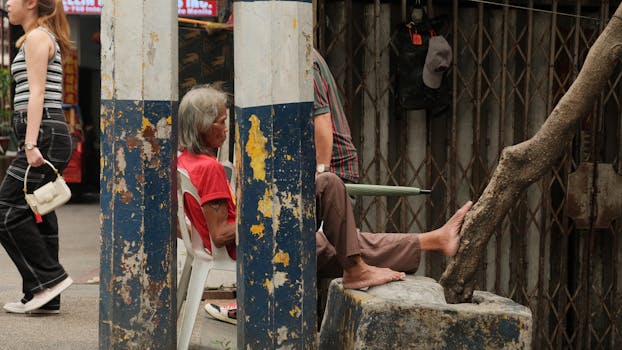
One of the most significant contributions of photography is its ability to document both extraordinary events and the simple rhythms of daily life. This dual focus helps preserve cultural traditions and local customs that might otherwise fade over time, especially in a rapidly globalizing world.
For example, the National Geographic Photo Contest receives over 50,000 entries annually from more than 150 countries. Many of these images spotlight traditional festivals, markets, religious ceremonies, and family gatherings. Such visual records provide invaluable insights for historians, anthropologists, and future generations.
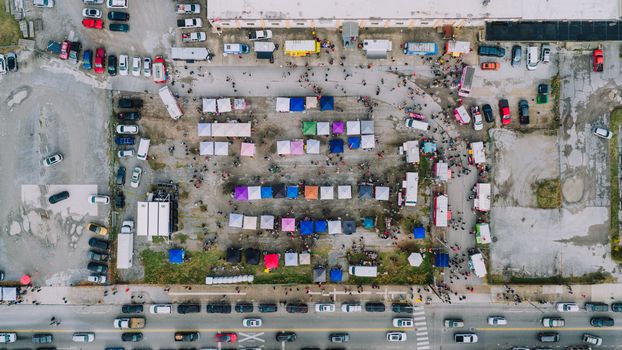
In rural India, projects like “The Everyday India” Instagram account highlight daily routines, from rice planting to sari weaving, bringing global attention to practices often overlooked by mainstream media. Similarly, in the United States, photographers have documented everything from Cajun crawfish boils in Louisiana to powwows in Native American communities, reinforcing the idea that diversity is not just about ethnicity but also about customs, livelihoods, and local identity.
Empowering Communities Through Participatory Photography
A growing trend in community-oriented photography is the concept of participatory photography, where cameras are placed in the hands of local residents rather than outside professionals. This approach democratizes storytelling and allows individuals to represent their own experiences, resulting in more authentic and diverse perspectives.
The award-winning “PhotoVoice” initiative exemplifies this model. Launched in 2000, PhotoVoice has worked with over 500 communities worldwide, equipping marginalized groups—from refugees to indigenous peoples—with cameras and basic training. Participants document their own lives, challenges, and aspirations. According to PhotoVoice’s 2022 impact report, 85% of participants felt more empowered to share their stories and advocate for change after joining the program.
A comparison of traditional versus participatory photography approaches highlights key differences:
| Aspect | Traditional Photography | Participatory Photography |
|---|---|---|
| Who takes the photos? | Professional photographers, often outsiders | Community members themselves |
| Perspective offered | Outsider’s interpretation | Insider’s lived experience |
| Typical focus | Events, portraits, documentary | Personal stories, daily life, community issues |
| Outcome | Awareness for wider audience | Empowerment, advocacy, self-representation |
This participatory approach has proven especially effective in amplifying underrepresented voices and creating a more inclusive visual record of community diversity.
Challenging Stereotypes and Fostering Social Change
Photography, when used responsibly, can challenge prevailing stereotypes and confront social biases. Visual storytelling allows us to see beyond the headlines or statistics and connect with the real people behind societal issues.
For instance, in the aftermath of Hurricane Katrina, a number of photo projects focused on New Orleans communities. While early coverage often portrayed residents as victims, later photographic essays highlighted their resilience, cultural pride, and efforts at rebuilding. Such images helped shift public perception and brought attention to grassroots recovery initiatives.
In 2020, research published by Pew Research Center found that 64% of Americans believe photojournalism is crucial for understanding social justice movements. Iconic photographs from Black Lives Matter protests, for example, have shaped global conversations about race, equity, and policing.
Photography’s ability to influence social change is not limited to crisis moments. Long-term projects, such as documenting the LGBTQ+ community in small towns or chronicling the daily lives of immigrant families, help foster empathy and prompt policy discussions. By putting faces to issues, photography makes abstract concepts tangible and personal.
Celebrating Interconnectedness Across Communities
While photography is often used to highlight differences, it also reveals the interconnectedness of local communities. By juxtaposing images from different neighborhoods, cities, or even countries, photographers can illustrate both unique characteristics and shared values.
The “Atlas of Humanity” project, which has exhibited portraits of people from over 180 ethnic groups, is a striking example. By displaying these images side by side, the project emphasizes both the distinct beauty of each culture and the universal emotions—joy, sorrow, hope—that connect us all.
A 2021 study by the International Center of Photography found that 72% of viewers exposed to global photo exhibitions reported increased appreciation for cultural diversity. This demonstrates the potential of photography to bridge divides and foster cross-cultural understanding.
Social media platforms have further amplified this effect. Hashtags like #GlobalVillage and #CommunityStories encourage photographers worldwide to share snapshots of their local environments, reaching audiences that would have been unimaginable just a decade ago.
How Technology Expands the Reach of Community Photography
The digital age has revolutionized the way community diversity is captured and shared. The proliferation of smartphones means nearly everyone can become a photographer, and platforms like Instagram, Flickr, and TikTok have become global galleries for local stories.
According to Statista, there were 1.72 trillion photos taken globally in 2022, with over 90% captured on smartphones. This democratization of photography means local events, traditions, and personalities are documented and disseminated in real time.
Initiatives like “Agora Images” host regular photography contests that attract thousands of entries from amateur photographers, many of whom are showcasing their own communities. These platforms not only broaden the representation of local diversity but also inspire others to see beauty in their everyday surroundings.
Moreover, advances in artificial intelligence and image recognition are making it easier to archive, categorize, and search vast collections of community photographs. Museums and archives are digitizing old photo collections, making them accessible to researchers and the general public alike, ensuring that no community’s history is lost.
Why Photography Is Essential for Preserving Community Diversity
In a world where rapid change often threatens local identities, photography serves as both a shield and a bridge. It preserves the nuances of culture, language, and tradition for future generations while also building bridges of empathy and understanding in the present.
Community photography isn’t just about capturing moments; it’s about honoring the people and stories that make each place unique. Whether through the eyes of a seasoned photojournalist or a local teenager with a smartphone, these images collectively create a living archive of our shared human experience.
As cities grow and societies evolve, the importance of visually documenting community diversity will only increase. Only by seeing—and truly understanding—each other can we hope to build more inclusive, resilient, and vibrant communities.