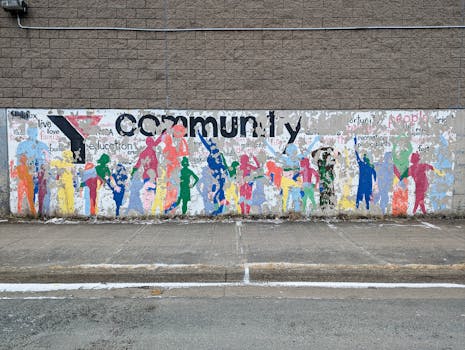
The Role of Public Art in Shaping Community Identity
Public art is an integral component of community identity, serving as a dynamic tool for cultural expression and social cohesion. This form of art transcends mere decoration to become a profound communicator of community stories, values, and traditions. This article delves into the significance of public art and its multifaceted role in reflecting and shaping the identity of communities.
Forms and Accessibility of Public Art
Public art is diverse, encompassing murals, sculptures, installations, and digital creations, often situated in public spaces like parks, streets, and buildings. This strategic placement ensures that art is accessible to all, democratizing the experience of art. Such accessibility invites individuals from various backgrounds to engage with art, offering them a chance to interpret and connect with it personally.
Storytelling through Public Art
A core function of public art is to narrate local stories. Artists draw inspiration from local history, events, or figures to create works that resonate with the community. For instance, a mural might capture a pivotal moment in a community's history, reminding residents of their common heritage and fostering local pride. Sculptures and installations may pay homage to local heroes or cultural symbols, enhancing community bonds and a sense of belonging.
Public Art as Social Commentary
Public art often tackles social issues, acting as a voice for raising awareness and prompting reflection among community members. By addressing topics like social justice, environmental challenges, or political tensions, public art sparks community dialogue and encourages residents to engage more deeply with their community and its values.
Enhancing Environments and Economies
Public art also plays a critical role in beautifying and revitalizing spaces. Artistic interventions can transform mundane or neglected areas into vibrant hubs of activity, attracting both locals and tourists. The increased foot traffic not only uplifts community spirit but also bolsters local economies by supporting businesses and enhancing tourism.
Community Involvement in Public Art
Involving community members in the creation of public art fosters a deeper connection with the artwork and promotes communal solidarity. Through workshops, consultations, and collaborative projects, the community's voice influences the art, making it a true reflection of local identity and values. This collaborative process not only enriches the artwork but also fortifies community relationships.
Navigating Controversies
While public art generally aims to unite, it can sometimes spark controversy if it appears unrepresentative or contrary to local values. It is crucial for artists and planners to engage with the community throughout the creation process to ensure the art is meaningful and embraced by all.
Conclusion
Public art is a powerful emblem of community identity, offering more than aesthetic appeal—it fosters cultural dialogue, enhances social cohesion, and promotes economic vitality. As communities evolve, the significance of public art in celebrating diversity and inclusivity becomes ever more pertinent. Engaging with public art not only enriches community life but also underscores the power of creativity in fostering a connected, understanding society.