Public art is an essential element in the tapestry of urban life, providing more than just visual enhancement. It engages, challenges, and connects people, contributing to a city's identity and vibrancy. This transformative force not only enriches the aesthetic value of public spaces but also plays a critical role in community engagement and economic development.
The Multifaceted Benefits of Public Art
Enhancing Urban Aesthetics
.png)
Public art is instrumental in transforming mundane urban spaces into visually stimulating environments. It introduces beauty and intrigue into everyday settings, making cities more appealing and livable. Artworks, whether they are monumental sculptures or intricate murals, serve as landmarks and gathering places, enhancing the cityscape and making public areas more engaging.
Stimulating Economic Growth
Public art is a significant draw for tourism, an industry that serves as a critical revenue source for many cities. Artistic landmarks often become iconic symbols of a city, featured in promotional materials and travel guides. For instance, Cloud Gate in Chicago, better known as "The Bean," attracts millions of visitors each year, significantly impacting local businesses and services.
Fostering Community Engagement
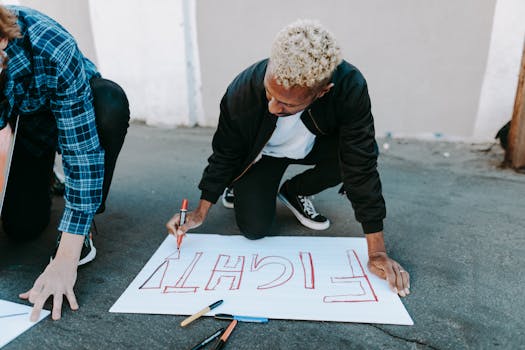
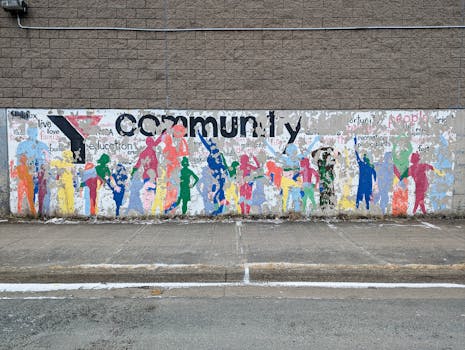
Art has the power to bring people together, serving as a catalyst for community engagement. Public art projects often involve participatory elements that allow community members to contribute, thus fostering a sense of ownership and pride. Additionally, art can provoke thought and dialogue about societal issues, making it a powerful tool for social change and cohesion.
Reflecting Cultural Identity
Public art reflects the history, culture, and values of the community it resides in. By celebrating local heritage and diversity, public art strengthens the cultural identity of a city. It can also provide visibility for underrepresented communities, giving them a voice and affirming their place in the social fabric.
Challenges in Public Art Implementation
Maintenance and Sustainability
Maintaining public art can be challenging due to exposure to environmental factors and vandalism. The sustainability of art pieces is a critical consideration, requiring regular upkeep and conservation efforts to ensure longevity.
Navigating Public Sentiment
Public art can sometimes become a source of controversy, as differing opinions about what constitutes art and what messages should be conveyed can lead to disputes. Effective communication and community involvement are crucial in the planning and execution phases to align artist visions with community values.
Case Studies in Success
Cities around the world provide compelling examples of how public art contributes to urban appeal and community solidarity:
- Melbourne, Australia: Known for its vibrant street art, Melbourne has integrated graffiti into its urban policy, leading to internationally renowned laneways that attract tourists and serve as hubs for local artists.
- Philadelphia, USA: The Mural Arts Program in Philadelphia has not only beautified the city but also engaged communities in the creation process, helping to address social issues and transform spaces through collaborative art.
Conclusion
Investing in public art is investing in the soul of a city. It beautifies, enlivens, and communicates, playing a crucial role in shaping urban landscapes and community experiences. While challenges exist, the strategic planning and community involvement can harness the transformative power of public art, making cities more vibrant and culturally rich. By fostering a sense of community, stimulating economic development, and enhancing urban environments, public art proves to be an invaluable asset for any city.