The visual arts world never stands still. Each year brings exciting innovations, bold ideas, and new technologies that shape how we create, view, and interact with art. As we move into 2024, the visual arts are in the midst of a dynamic transformation fueled by advances in digital tools, changes in cultural values, and a growing focus on sustainability and inclusivity. From immersive experiences to AI-powered creativity, let’s explore what’s new in visual arts and what you can look forward to in the coming year.
The Rise of Immersive and Interactive Art Experiences
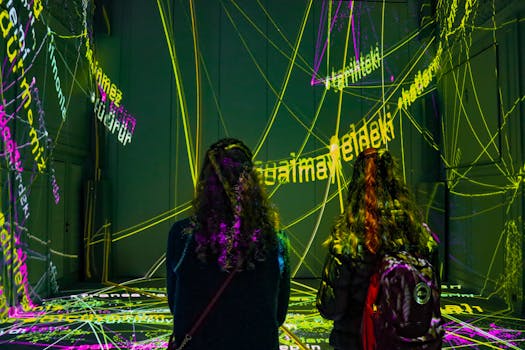
One of the most significant trends in visual arts for 2024 is the explosion of immersive and interactive art. Traditional gallery walls are giving way to experiences that put the viewer at the center of the artwork. This movement is being driven by a desire for deeper engagement and by rapid advancements in technology.
Major exhibitions like “Van Gogh: The Immersive Experience” have seen over 5 million visitors globally, proving the public’s appetite for multisensory encounters. In 2024, expect to see more artists and institutions leveraging augmented reality (AR), virtual reality (VR), and projection mapping. For example, the new “Monet 360” exhibit in Paris uses 50 projectors to transform a 2,000-square-meter space into a walkable painting. Meanwhile, platforms like Artivive allow artists to layer digital animations onto physical artworks, viewable through a smartphone.
.png)
These experiences aren’t just for big-city museums. Community centers, pop-up galleries, and even outdoor spaces are adopting interactive technology to attract new audiences. The democratization of immersive art has made it more accessible than ever, breaking down barriers and inviting participation from people of all backgrounds and abilities.
Artificial Intelligence and Generative Art: Redefining Creativity
Artificial intelligence has firmly established itself as a tool—and sometimes a collaborator—in the visual arts. In 2023, more than 1.7 million users created images with popular AI art generators like Midjourney and DALL-E. In 2024, the technology is becoming even more sophisticated, offering artists new creative possibilities and sparking debates about authorship and originality.
AI can now analyze thousands of artworks in seconds, identify styles, and generate images in response to text prompts or sketches. Some artists use AI to brainstorm compositions, while others go further, producing entire series with minimal human intervention. The 2023 sale of “Edmond de Belamy,” an AI-generated portrait, for $432,500 at Christie's auction drew global attention to the medium.
But AI is not just about making images. Museums and galleries are adopting AI-powered curators that tailor exhibitions to visitors’ interests, while restoration experts use machine learning to reconstruct damaged masterpieces. As AI continues to evolve, expect a growing focus on ethical issues: copyright, data bias, and the relationship between human and machine creativity.
Sustainability Takes Center Stage in Art Practices
With climate change high on the global agenda, sustainability is emerging as a core concern for visual artists in 2024. According to a recent survey by ArtNet, 62% of artists said they are changing their materials or methods to reduce environmental impact. Expect to see more works created with recycled materials, non-toxic paints, and energy-efficient processes.
Eco-conscious galleries and institutions are also rethinking their operations. For example, the Tate Modern in London has pledged to cut its carbon emissions by 50% by 2030, switching to renewable energy and reusing exhibition materials. Artists like El Anatsui, who crafts monumental installations from bottle caps and scrap metal, are leading by example.
Sustainability now extends to digital art as well. The boom in NFTs (non-fungible tokens) raised alarms about the carbon footprint of blockchain transactions. In response, new platforms like Tezos and Palm use “proof-of-stake” technology, which consumes 99.9% less energy than traditional methods. Artists and collectors alike are prioritizing platforms and practices that align with a greener future.
Diversity, Equity, and Inclusion: Expanding the Canvas
The visual arts in 2024 are more diverse and inclusive than ever before. Historically underrepresented voices—women, artists of color, LGBTQ+ creators, and those from non-Western backgrounds—are gaining greater visibility and recognition. Last year, women artists accounted for nearly 40% of solo exhibitions at major U.S. museums, up from just 27% a decade ago.
This shift is partly driven by grassroots initiatives and partly by institutional change. Organizations like the Black Artists + Designers Guild and Indigenous Arts Collective are supporting emerging talent and advocating for fairer representation. Meanwhile, museums worldwide are reevaluating their collections to include more works by marginalized groups and to present more inclusive narratives.
Accessible art is also on the rise. Audio descriptions, tactile exhibits, and virtual tours ensure that people with disabilities can enjoy art on their own terms. In 2024, look for more collaborative projects that bring together artists from different backgrounds and disciplines, creating richer, more representative works that speak to a global audience.
Data Overview: Key Trends Shaping Visual Arts in 2024
To provide a snapshot of the evolving landscape, here’s a comparative table highlighting some of the most important trends and statistics in visual arts for 2024:
| Trend | 2022 | 2023 | 2024 (Forecast) |
|---|---|---|---|
| Immersive/Interactive Exhibitions (Global Attendance) | 2.8 million | 5.1 million | 8+ million |
| Artists Using AI Tools (%) | 18% | 26% | 35% |
| Eco-Friendly Art Materials Market Size (USD) | $890 million | $1.04 billion | $1.24 billion |
| Women Solo Exhibitions (Major US Museums) | 32% | 39% | 45% (expected) |
| Digital Art Sales (Worldwide, USD) | $2.1 billion | $2.9 billion | $3.6 billion |
These numbers show not just growth, but real transformation in how art is made, shared, and valued.
New Frontiers: Visual Arts and Technology Converge
Beyond AI and immersive exhibits, 2024 is seeing new intersections between visual arts and technology. 3D printing, for example, is making it possible to create complex sculptures and installations that would be impossible by traditional means. Artists like Joshua Harker have used 3D printing to produce intricate forms with mathematical precision, while others are experimenting with biodegradable filaments to merge technology with sustainability.
Blockchain technology is also changing the way artists sell and authenticate their work. Digital certificates of authenticity and “smart contracts” ensure provenance and can automate royalty payments each time a piece changes hands. In 2023, the digital art market grew by 38%, reflecting both increased interest and trust in these innovations.
Meanwhile, social media platforms like Instagram, TikTok, and even Discord are evolving into virtual galleries and marketplaces. In 2024, artists are reaching global audiences without traditional gatekeepers, sharing work instantly and even collaborating across continents in real time. This direct engagement is fostering new communities and allowing niche art forms to flourish.
Art Education and the Next Generation of Creators
As the visual arts landscape evolves, so too does art education. In 2024, schools and universities are integrating digital tools, sustainability, and social justice into their curricula. According to the National Art Education Association, over 70% of programs now include courses on digital media and art technology, compared to just 42% in 2018.
Online learning platforms and virtual workshops have expanded access to high-quality art education, especially for those in remote or underserved areas. Organizations like Coursera and Skillshare report a combined enrollment of over 2 million students in visual arts courses in 2023 alone. These platforms are not only teaching technical skills but also fostering critical thinking about the role of art in society.
Mentorship programs and artist residencies are also adapting. Many now offer hybrid or fully remote options, allowing emerging artists to connect with mentors and peers worldwide. The result is a new generation of creators who are technologically savvy, socially conscious, and ready to push the boundaries of visual expression.
Looking Ahead: The Future of Visual Arts in 2024 and Beyond
The visual arts in 2024 are defined by openness, experimentation, and a willingness to embrace change. As technology and tradition blend, artists and audiences alike are discovering new ways to connect, communicate, and create meaning. Whether you’re an artist, a collector, or simply a lover of creativity, there’s never been a more exciting—and accessible—time to engage with visual art.
From immersive exhibitions that transport you into another world, to AI-powered canvases and sustainable masterpieces, the boundaries of what’s possible are being redrawn. As we look to the future, expect continued innovation, greater inclusion, and a deepening appreciation for the power of art to inspire, challenge, and unite us all.