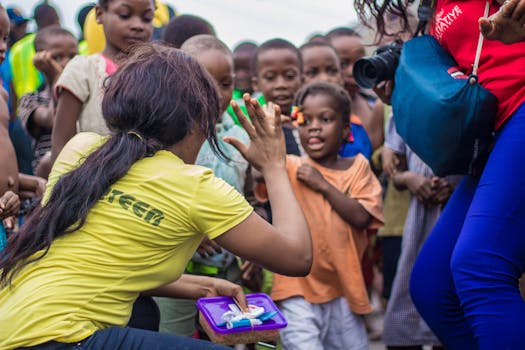
Photography is far more than a tool for capturing memories or creating beautiful images—it is a powerful medium for advocacy and driving social change within communities. Throughout history, photographs have ignited movements, changed public opinion, and given a voice to the unheard. In the digital age, the influence of photography in promoting causes and fostering community transformation has only grown. This article explores the many ways photography supports advocacy and change, highlighting compelling examples, the impact of visual storytelling, and the measurable effects of photographic campaigns.
The Historical Role of Photography in Social Advocacy
Long before smartphones put cameras in every pocket, photography was already shaping public consciousness. In the late 19th and early 20th centuries, photojournalists like Jacob Riis and Lewis Hine used their cameras to document child labor, poverty, and urban squalor in the United States. Their images reached millions through newspapers and exhibitions, prompting legislative reforms that protected vulnerable populations.
Consider the iconic photograph "Migrant Mother" by Dorothea Lange (1936), which became a symbol of the Great Depression and influenced government aid programs. Or Nick Ut’s “Napalm Girl” (1972), capturing the horrors of the Vietnam War—its publication shifted American public opinion and hastened calls for peace.
.png)
Photography’s ability to transcend language made it a unique force in advocacy, as images can evoke empathy, outrage, or hope. According to a 2017 study by the Pew Research Center, 67% of Americans reported that seeing photographs of humanitarian crises made them more likely to support aid efforts.
Visual Storytelling: Fostering Empathy and Understanding
At the core of photography’s advocacy power lies its capacity for visual storytelling. A single image can distill complex issues, humanize statistics, and connect emotionally with viewers. This is especially important in community advocacy, where personal stories can be overshadowed by data or policy jargon.
For example, the “Humans of New York” project, launched in 2010, uses portrait photography and personal narratives to shed light on the struggles and triumphs of everyday New Yorkers. Many featured stories have led to rapid fundraising: in 2015, one post about a Brooklyn principal’s efforts to support underprivileged students raised over $1.4 million in less than a week.
Photography makes abstract problems tangible. When organizations share images of polluted rivers, rundown schools, or joyous community celebrations, they create an emotional bridge between the issue and the audience. The World Press Photo Foundation found that 82% of viewers felt compelled to learn more about an issue after engaging with a photo series, compared to just 54% after reading a text-only report.
Raising Awareness and Mobilizing Action Through Images
Photographs not only inform—they inspire action. In community advocacy, well-crafted images have been central to campaigns for environmental protection, social justice, health awareness, and more. The visual impact often serves as a catalyst for donations, volunteering, and policy support.
One vivid example is the 2015 photo of Alan Kurdi, a Syrian child refugee whose lifeless body washed ashore in Turkey. Shared widely on social media and news outlets, the image sparked global outrage and led to a 70% surge in donations to refugee aid organizations within a month (according to the United Nations High Commissioner for Refugees).
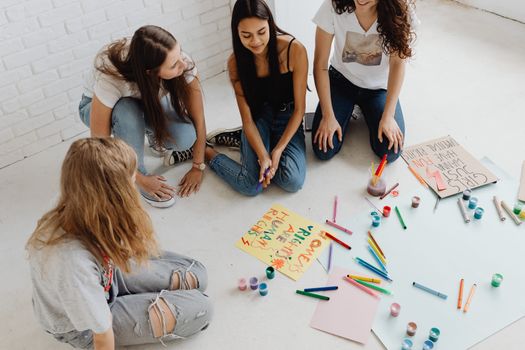
Photography is also essential in grassroots activism. Local campaigns use images to highlight unsafe roads, neglected public spaces, or successful community projects. These visuals can be shared via flyers, presentations, or social media, amplifying the message far beyond the immediate community.
Photography vs. Other Advocacy Tools: A Comparative Overview
How does photography compare to other advocacy tools such as written reports, infographics, or video? Each medium has strengths, but photography’s immediacy and emotional resonance set it apart. The table below illustrates key differences:
| Advocacy Tool | Strengths | Limitations | Emotional Impact (1-5) |
|---|---|---|---|
| Photography | Instant recognition, universal language, powerful emotional impact | May lack context, open to misinterpretation | 5 |
| Written Reports | Detailed analysis, policy recommendations | Less engaging, requires literacy | 2 |
| Infographics | Data visualization, easy to share | Can oversimplify, less personal | 3 |
| Video | Dynamic storytelling, combines audio/visual | Longer attention span required, higher production cost | 4 |
This comparison demonstrates why photography is often the first line of communication in advocacy campaigns. Its ability to grab attention and evoke empathy makes it a crucial complement to other informational tools.
Empowering Voices Within the Community
Perhaps the most transformative aspect of photography in advocacy is its democratizing effect. With camera technology more accessible than ever, community members can document their own realities, challenges, and successes. This shifts the narrative from “about us” to “by us.”
Participatory photography projects, such as “PhotoVoice,” invite marginalized groups—youth, refugees, people with disabilities—to tell their stories through images. These projects have led to tangible policy changes. In a 2019 PhotoVoice initiative in rural India, photographs taken by local women about water scarcity were presented to government officials, resulting in the construction of new wells and improved access to clean water.
Training community members in basic photography skills builds capacity and confidence. It gives people the power to highlight issues that outsiders might overlook and to celebrate local achievements that deserve wider attention.
The Digital Era: Amplifying Advocacy Through Social Media
The rise of social media has exponentially increased the reach and speed of advocacy photography. Platforms like Instagram, Facebook, and Twitter are visual-first and designed for sharing compelling images. According to Statista, over 95 million photos are uploaded to Instagram every day in 2024. With the right hashtags and networks, a single community story can go viral, reaching millions within hours.
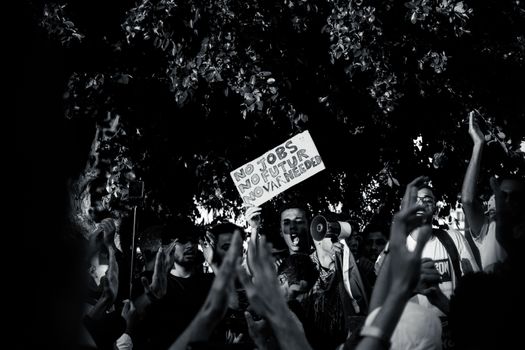
Movements such as #BlackLivesMatter and #MeToo have relied heavily on photographic evidence and visual storytelling. The immediacy of smartphone photography allows real-time documentation of protests, injustices, and community responses. This rapid dissemination often bypasses traditional media gatekeepers, giving grassroots advocates direct access to a global audience.
Social media algorithms also reward high-engagement content, and statistics show that photo posts receive 2.3 times more engagement on Facebook than those without images (BuzzSumo, 2021). For community groups, this means a greater chance of mobilizing supporters and drawing attention to their cause.
Challenges and Ethical Considerations in Advocacy Photography
While photography is a potent tool for advocacy, it is not without ethical challenges. The portrayal of vulnerable communities, especially in contexts of poverty or crisis, can risk exploitation or “poverty porn.” Ensuring that subjects are respected, informed, and empowered is paramount.
Best practices include obtaining consent, providing context, and involving subjects in how their images are used. Organizations like the World Health Organization and Amnesty International have established ethical guidelines for advocacy photography, emphasizing dignity and agency.
It’s also important to recognize that images can be manipulated or misinterpreted. The rise of deepfakes and image editing software poses a new challenge: maintaining trust and authenticity in visual advocacy.
Final Reflections on Photography’s Role in Community Change
Photography’s unique power lies in its ability to humanize issues, mobilize communities, and bring about real change. From historical reformers to modern social media movements, images have consistently shaped public opinion and policy. As technology continues to evolve, so does the potential to use photography for advocacy—ensuring that communities have both a voice and a vision for a better future.