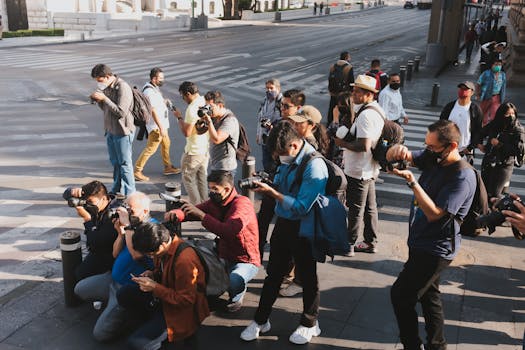
Bringing people together has always been a cornerstone of meaningful communities, and few activities do it better than shared creative experiences. Photographic trips—group outings designed to capture moments and scenes through the lens—are emerging as a powerful method to build connections and foster lasting relationships. These excursions go beyond photography skills; they cultivate teamwork, empathy, and a sense of belonging. If you’re interested in leveraging photography trips to strengthen community ties and interpersonal relationships, this guide will show you exactly how to organize, lead, and maximize the benefits of such events.
The Unique Power of Photographic Trips for Community Building
Photographic trips offer a blend of adventure, creativity, and collaboration. Unlike solo photography or standard group tours, these trips invite participants to explore, observe, and create together. Why is this so effective for community building?
First, shared creative goals encourage communication and teamwork. According to a 2022 Pew Research Center study, group activities with a creative focus result in 35% higher reported levels of social trust than non-creative outings. The act of photographing the same subject from different perspectives naturally starts conversations and encourages mutual learning.
.png)
Second, photography requires presence and attention to detail, making participants more engaged with each other and the environment. This shared focus reduces social barriers and accelerates relationship building. In a 2021 survey by the International Association of Community Engagement, 68% of respondents who participated in photography trips reported forming new friendships that lasted beyond the event itself.
Finally, having a tangible outcome—photos—creates shared memories and stories, which are the building blocks of community history and identity.
Planning a Photographic Trip: Steps for Success
Successful photographic trips require thoughtful planning to ensure inclusivity, enjoyment, and effective community building. Here’s a step-by-step guide for organizers:
1. Define Clear Objectives Decide on the primary goal: is it to foster new friendships, explore local heritage, or support a cause (like environmental awareness)? Tailor the trip’s structure to these objectives. For example, a trip aimed at intergenerational bonding might include storytelling sessions alongside photography. 2. Choose the Right Location Select accessible, visually interesting sites that cater to different skill levels and mobility needs. Parks, historic districts, nature reserves, and urban murals are popular choices. According to Outdoor Foundation’s 2023 report, parks are the top choice for community groups, with 51% of group outings occurring there. 3. Assemble a Diverse Group Balance the group by inviting people of different ages, backgrounds, and skill levels. This diversity enriches the experience and broadens perspectives in both conversation and photography styles. 4. Plan the Itinerary Structure the day with a mix of guided activities and free exploration. Include icebreakers, group challenges (like themed photo scavenger hunts), and scheduled breaks for sharing images and stories. These elements encourage interaction and teamwork. 5. Prepare Logistics and Equipment Communicate what participants need to bring (camera, smartphone, snacks, weather-appropriate clothing). Consider providing loaner equipment or arranging carpools to ensure everyone can participate. 6. Set Up Post-Trip Sharing After the trip, organize an online gallery or in-person meet-up to share photos and stories. This reinforces connections and creates opportunities for future collaboration.Fostering Teamwork and Interpersonal Bonds During the Trip
The real magic of photographic trips happens during the outing itself. Here are strategies to maximize interpersonal engagement:
- Group Challenges: Organize collaborative exercises, such as pairing up participants for joint photo projects or having small teams tackle a collective theme (e.g., “Hidden Gems of Our Town”). - Peer Learning: Encourage more experienced photographers to mentor newcomers. This not only improves skills but also builds mutual respect and friendships. - Reflection Circles: Schedule moments where each participant shares a favorite photo and the story behind it. These personal narratives foster empathy and understanding. - Rotating Roles: Assign rotating responsibilities (navigator, group photographer, timekeeper) to promote inclusion and shared ownership of the experience. - Mindful Observation: Lead short mindfulness exercises to help everyone attune to their surroundings and to each other—boosting present-moment connection.A study by the Community Arts Network in 2020 found that group photography exercises boosted perceived team cohesion by 42% compared to typical group walks.
Maximizing Inclusivity and Accessibility
For a photographic trip to truly strengthen community bonds, it must be accessible and welcoming for all. Consider these inclusivity strategies:
- Physical Accessibility: Choose locations with accessible paths and facilities. Provide information on terrain and distance in advance. - Equipment Support: Offer loaner cameras or smartphones. Some organizations partner with local camera shops or tech companies for sponsorships or rentals. - Financial Inclusivity: Keep costs low or free. Seek funding from community grants or local businesses to cover transportation or refreshments. - Language and Communication: Provide materials in multiple languages if needed, and ensure all participants can easily communicate. - Cultural Sensitivity: Respect participants’ backgrounds and privacy, especially when photographing people or culturally significant sites.Here is a comparison of key inclusivity factors in photographic trips versus other community outings:
| Activity Type | Physical Accessibility | Equipment Needs | Cultural Adaptability | Cost (per person) |
|---|---|---|---|---|
| Photographic Trip | High (with planning) | Medium (loaners help) | Very High | $0-$20 |
| Sports Outing | Medium | High (special equipment) | Medium | $10-$50 |
| Art Workshop | High | High (materials required) | High | $15-$40 |
| Film Screening | High | Low | Medium | $5-$15 |
This table shows that, with attentive planning, photographic trips are among the most accessible and adaptable community events available.
Strengthening Relationships After the Trip: Lasting Impact
The benefits of a photographic trip shouldn’t end when everyone goes home. The post-trip phase is crucial for cementing new relationships and growing the community:
- Group Exhibitions: Organize a public showcase of the group’s best work. This not only honors participants but also draws in new community members. - Online Galleries: Create a private or public digital album where participants can comment and share feedback, extending the sense of camaraderie. - Ongoing Clubs: Use the trip as a springboard to form a photography club or regular meet-up group. According to the National Community Engagement Survey (2022), 47% of people who attended a single community photography event went on to join a recurring group. - Social Media Sharing: Encourage participants to share photos with a dedicated hashtag. This builds momentum and visibility for future trips. - Volunteer Projects: Collaborate on photo-based community initiatives, such as creating a local calendar or documenting neighborhood changes for civic projects.These follow-up activities ensure that the connections forged during the trip continue to grow, creating a ripple effect of engagement throughout the community.
Real-World Examples: Photographic Trips That Built Stronger Communities
To see these principles in action, here are several inspiring examples:
1. “Capture the Park” in Minneapolis: A local nonprofit organized monthly photographic walks in city parks. Over 18 months, more than 500 residents participated, and 60% reported making at least one new friend. The group’s photos were displayed in a city hall exhibition, sparking greater civic pride. 2. “Heritage Lens” in rural Scotland: A cross-generational photography trip brought youth and elders together to document historic sites. The project resulted in a community photo book and regular intergenerational meetups, with participants noting a 30% increase in feelings of local belonging (based on post-event surveys). 3. “Urban Mosaic” in Bogotá: Local artists partnered with community leaders to lead neighborhood photo tours, focusing on street art and daily life. The initiative led to a permanent online gallery and inspired similar projects in three other districts.These stories demonstrate that, when thoughtfully planned, photographic trips can transform not just individuals but entire communities.
Final Reflections: Using Photographic Trips as a Tool for Connection
Organizing photographic trips is far more than a fun outing—it’s a vehicle for building empathy, trust, and lasting social ties. By combining creativity with communal exploration, these trips create a unique environment where people from all walks of life can connect and grow together.
The key is thoughtful planning: set clear goals, prioritize inclusivity, and nurture relationships during and after the event. With the right approach, even a single photographic trip can spark a new sense of belonging and collective pride.
Ready to bring your community closer? Start planning your photographic trip today and watch new friendships—and unforgettable images—develop before your eyes.