Photography has always been a powerful medium for visual storytelling, but in recent years, a new and promising trend has emerged: collaborations between artists and local entrepreneurs. These partnerships go beyond simple business transactions—they foster creativity, boost local economies, and create vibrant cultural experiences. In this article, we explore real-world examples of these collaborations, analyze what makes them successful, and discuss the impact they have on communities. Whether you’re an artist, a business owner, or simply curious about new ways local economies are thriving, read on to discover how creative alliances in photography are changing the landscape.
The Rise of Artist-Entrepreneur Collaborations in Photography
In the age of digital media and social networking, the boundaries between art and commerce have become increasingly blurred. Artists are seeking innovative ways to showcase their work, while local entrepreneurs are eager to differentiate their brands and connect with the community. According to a 2023 survey by Americans for the Arts, over 68% of small business owners believe that collaborating with local artists has positively impacted their brand visibility and customer engagement.
Photography, with its universal appeal, is especially well-suited for such collaborations. Local coffee shops, boutique hotels, and even law offices are now using curated photo exhibitions to attract customers and foster a unique atmosphere. In turn, photographers gain a platform for their work, access to new audiences, and financial support through commissions or sales.
.png)
Case Study: Pop-Up Photography Galleries in Local Businesses
One of the most visible examples of artist-entrepreneur collaboration is the pop-up photography gallery. In cities like Austin, Texas, and Portland, Oregon, local businesses are opening their doors to temporary exhibitions by emerging and established photographers.
Consider the story of “Bean & Lens,” a Portland café that partnered with five local photographers in 2022. Each month, the café displayed a rotating exhibit of photo essays focused on urban life, nature, and social issues. Not only did the café see a 22% increase in foot traffic during exhibit months, but the photographers collectively sold over 40 prints—generating more than $5,000 in sales. The collaboration also led to social media cross-promotion, with both the café and the artists gaining hundreds of new followers.
Beyond sales and marketing, these pop-up galleries created a sense of community ownership. Regulars and newcomers alike engaged in conversations about the stories behind the photos, strengthening the café’s role as a cultural hub.
Photography for Branding: Local Products, Local Stories
Another successful avenue for collaboration is product branding. Local entrepreneurs often seek to distinguish their goods in crowded markets, and authentic visual storytelling can make all the difference. By hiring local photographers to create imagery for websites, packaging, and advertising, businesses achieve a genuine connection with their community.
For example, the Seattle-based skincare company “Rain City Naturals” commissioned photographer Maya Lin to document the sourcing of their organic ingredients from nearby farms. The resulting series of candid, documentary-style photos formed the backbone of their website and Instagram content. Within six months of launching the new campaign, Rain City Naturals reported a 35% increase in online sales and a 28% boost in social media engagement. The authenticity of Maya’s images built trust among customers and reinforced the company’s commitment to local sourcing.
This strategy is not limited to consumer goods. Real estate agencies, law firms, and event venues have all benefited from unique, locally-sourced photography that tells their story in a relatable way.
Cultural Festivals: Joint Ventures that Celebrate Community
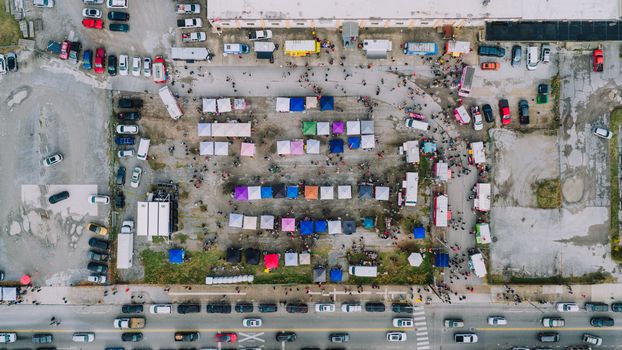
Cultural festivals provide a fertile ground for artist-entrepreneur partnerships. From food fairs to street markets, these events attract diverse crowds and offer photographers a dynamic canvas. Local businesses often collaborate with photographers to document the event and create promotional materials.
A notable example is the annual “LightUp Festival” in Traverse City, Michigan. Organizers partnered with a collective of local photographers to capture the event’s highlights, from food stalls to live performances. The images were then used in a collaborative photo book, sold at local bookstores and online. The project not only generated over $12,000 in direct sales but also provided each participating business with high-quality visual assets for future marketing.
Moreover, the festival’s collaborative approach extended to a public photo contest, encouraging residents to submit their own images. This fostered a sense of inclusivity and civic pride, strengthening the ties between artists, entrepreneurs, and the broader community.
Workshops and Classes: Education as a Bridge Between Art and Commerce
Photography workshops are another innovative way artists and entrepreneurs can collaborate. Local camera stores, art supply shops, and even breweries are teaming up with photographers to offer classes and hands-on experiences.
Take the example of “Shutter & Sip,” a series of photography and wine tasting events launched by a small vineyard in Napa Valley. Local photographer Ethan Morales led participants through the basics of landscape and food photography, followed by a curated wine tasting. The workshops sold out within weeks, attracting over 200 attendees in their first season. Not only did this drive direct revenue for the vineyard and the photographer, but it also created a memorable community experience and generated buzz on social media.
A 2021 study by Eventbrite found that 72% of attendees at creative workshops are more likely to recommend the host business to friends or family, highlighting the marketing benefits of such collaborations.
Comparing Collaboration Models: Outcomes and Impact
The following table summarizes key outcomes from different models of artist-entrepreneur collaboration in photography, based on real-world examples and industry data.
| Collaboration Model | Typical Partners | Main Benefits | Example Outcome |
|---|---|---|---|
| Pop-Up Galleries | Cafés, retail shops, photographers | Increased foot traffic, art sales, community engagement | 22% rise in café visitors, $5,000+ in print sales |
| Product Branding | Local brands, photographers | Authenticity, brand differentiation, higher sales | 35% sales growth, 28% social media boost |
| Cultural Events | Festival organizers, photo collectives, local businesses | Marketing assets, community pride, direct sales | $12,000+ in photo book sales |
| Workshops | Event venues, artists, local businesses | Direct revenue, brand loyalty, social buzz | 200+ attendees, sold-out sessions |
Keys to Successful Collaboration in Photography
Analyzing these success stories, several common threads emerge that can guide future collaborations:
1. $1: Both the artist and entrepreneur must align on the project’s purpose. Whether it’s community engagement, promoting local products, or education, a shared mission ensures smoother execution. 2. $1: Setting expectations regarding creative control, financial arrangements, and deliverables is essential. Many successful collaborations start with a written agreement outlining each party’s roles. 3. $1: Audiences respond best to projects that reflect genuine local character. Using local talent and real stories creates a deeper connection with the community. 4. $1: Joint marketing efforts—such as social media campaigns, press releases, and local media coverage—amplify the impact of the collaboration. 5. $1: Tracking results, such as sales, attendance, or online engagement, helps both parties evaluate success and refine future projects.A 2022 report by the National Endowment for the Arts found that communities with robust artist-business partnerships experienced a 15% higher rate of local event attendance and a 10% increase in small business revenue compared to those without such partnerships.
Looking Ahead: The Future Impact of Artist-Entrepreneur Partnerships
As the creative economy continues to evolve, collaborations between artists and local entrepreneurs in photography are poised to become even more influential. The growth of online platforms, coupled with a renewed focus on supporting local businesses, means new opportunities are constantly emerging.
For artists, these partnerships offer more than just a paycheck—they provide exposure, networking, and the chance to have a tangible impact on their surroundings. For entrepreneurs, the collaboration brings fresh perspectives, innovative marketing strategies, and a unique way to stand out in a competitive market.
Ultimately, these alliances strengthen community bonds, drive economic growth, and celebrate the rich tapestry of local life. By embracing collaboration, both artists and entrepreneurs are helping to shape more vibrant, resilient, and culturally rich neighborhoods.