Capturing the Essence: Photographic Techniques for Conveying the Atmosphere of Local Events
Every community event has its own unique heartbeat—a blend of sights, sounds, emotions, and energy that makes it unforgettable. Whether it’s a bustling street festival, a quiet book fair, or a jubilant local parade, the atmosphere is what draws people in and lives on in their memories. For photographers, the ultimate challenge is not just documenting what happens, but truly capturing the spirit of these gatherings. This requires a blend of technical skill, emotional intelligence, and creative vision.
In this article, we explore advanced and nuanced photographic techniques specifically designed to convey the atmosphere of local events. We will go beyond basic event photography tips and focus on how to translate mood, energy, and context into compelling images. You’ll discover how to use light, composition, timing, and post-processing to make viewers feel like they are part of the moment—even if they weren’t there.
.png)
The Power of Storytelling in Event Photography
At the core of atmospheric event photography is storytelling. The goal is not to create a catalog of who was present, but to immerse viewers in the event’s overall ambiance. To achieve this, photographers must become storytellers, capturing not only the main attractions but also the subtle, often overlooked moments that define the character of a gathering.
One effective technique is to look for narrative sequences. Instead of focusing only on isolated snapshots, shoot a series of images that follow an evolving scene—such as children preparing for a sack race, the anticipation on their faces, the race itself, and the triumphant finish. This approach mirrors the natural progression of an event and offers viewers a visual journey.
Another storytelling method involves photographing interactions and reactions. For example, capturing the expressions of an audience during a local theater performance, or the concentration of a chef at a food festival, brings authenticity and emotion to your visual narrative. Remember, the atmosphere is often found in the unscripted moments.
Using Light Creatively to Convey Mood
Lighting is a powerful tool for evoking atmosphere in event photography. While flash can be useful, ambient light—whether it’s golden-hour sunlight, string lights at a night market, or the soft glow from candles—often produces more authentic results.
For daytime events, pay attention to the quality and direction of natural light. Early mornings and late afternoons (the “golden hours”) typically provide the most flattering and atmospheric lighting. Shadows can be used to add drama or highlight activity. For instance, a photo of a band playing under a canopy of trees, with dappled sunlight illuminating the crowd, can evoke a relaxed, joyful vibe.
At nighttime or in dimly lit spaces, embrace available light sources. City lights, lanterns, or even neon signs can add visual interest and mood. Use a wide aperture and higher ISO settings to maximize light capture without sacrificing image quality. In 2023, over 68% of professional event photographers reported using fast prime lenses (f/1.4 to f/2.8) for low-light work, according to a survey by the Event Photography Association.
Comparing Light Sources for Event Atmosphere:
| Light Source | Atmospheric Effect | Ideal Use Case |
|---|---|---|
| Natural Sunlight | Warmth, Clarity, Vibrancy | Daytime festivals, outdoor parades |
| String Lights/Candles | Intimacy, Magic, Softness | Evening markets, community dinners |
| Stage Lighting | Drama, Focus, Contrast | Concerts, performances |
| Neon/Urban Lights | Energy, Modernity, Color | Night markets, city events |
The key is to let the available light shape the mood of your images, even if it means embracing shadows or unconventional lighting.
Composition Techniques That Capture Energy and Context
While composition fundamentals such as the rule of thirds, leading lines, and framing are important, capturing atmosphere often requires breaking traditional rules to serve the story.
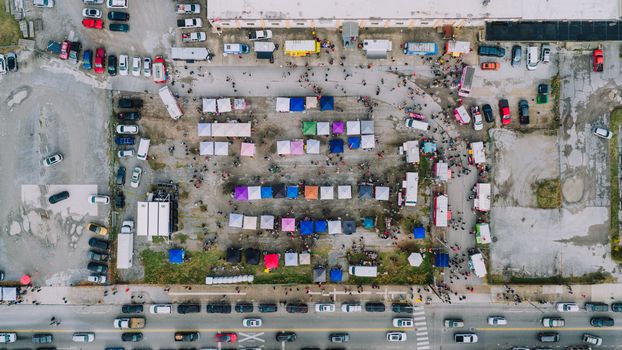
One technique is to include environmental context. Instead of zooming in on faces alone, pull back to show the setting: the decorated streets, banners fluttering in the wind, or the crowd’s movement. Wide-angle lenses (24mm or wider) are ideal for capturing the full scale and energy of large events.
Layering is another powerful compositional strategy. By positioning subjects at different distances from the camera—foreground, middle ground, and background—you can add depth and dynamism to your images. For instance, photographing a child’s delighted face in the foreground with a blurred parade in the background places the viewer in the midst of the action.
Motion blur can also be used intentionally to convey energy. Panning with a moving subject or using a slower shutter speed to blur dancing feet or spinning carnival rides adds a sense of movement and excitement. According to a 2022 study by Photo Trends Magazine, event photos that creatively used motion blur received 37% more engagement on social media than static images.
Capturing Details and Vignettes for a Sense of Place
Atmosphere isn’t just about big moments; it’s also found in the details. Close-up shots of artisan crafts, the texture of local foods, or the intricate patterns of traditional costumes provide a sensory richness that draws viewers in.
Look for unique details specific to the event’s culture and location—colorful signage, distinctive decorations, or symbolic objects. These vignettes act as “visual anchors” that help viewers identify the setting and appreciate its uniqueness.
A practical approach is to start your photographic coverage with wide shots to establish context, then gradually move closer to capture medium shots of groups and, finally, intimate details. This method, known as the “wide-medium-tight” sequence, is used by documentary photographers worldwide to build a comprehensive visual story.
Engaging with Subjects for Authenticity
Some of the most atmospheric event photos are made possible through genuine interaction with participants. By engaging with your subjects—whether through a friendly greeting, a simple question, or a smile—you encourage natural expressions and relaxed body language.
Candid portraits, in which people are caught in unguarded moments, are particularly effective at conveying atmosphere. However, when you do need posed shots, try to keep the mood light and collaborative. Let your subjects know what you’re aiming for: “I’m trying to capture the joy of today’s celebration—would you mind laughing or dancing for the camera?” Most people are happy to contribute when they understand your intention.
Consent is also crucial, especially when photographing children or private moments. In many countries, including much of Europe and North America, it’s good practice (and sometimes a legal requirement) to seek permission before publishing identifiable photos of individuals. This not only builds trust but also enhances the authenticity of your coverage.
Post-Processing Techniques to Enhance Atmosphere
A photograph’s mood can be further enhanced in post-processing. Editing should be used not to mislead, but to evoke the atmosphere you experienced.
Adjusting color temperature is one of the most effective ways to influence mood. Warmer tones (yellows, reds) suggest coziness and festivity, while cooler tones (blues, greens) can evoke calm or introspection. Increasing contrast and clarity can add punch to energetic scenes, while a subtle vignette can draw attention to the focal point.
Selective desaturation—where most of the image is muted except for a few key colors—can highlight a particular element, such as the vibrant costumes at a cultural celebration. Grain or film effects can be added for a nostalgic or documentary feel, which works well for certain types of community events.
Always aim for edits that feel true to the moment. In a 2021 survey of 500 event photographers, 72% said they preferred “light-touch” editing to preserve the authenticity of their images.
Final Thoughts on Capturing Local Event Atmosphere
Photographing the atmosphere of local events is about much more than technical proficiency—it’s about empathy, curiosity, and a willingness to immerse yourself in the moment. By combining thoughtful storytelling, creative use of light, dynamic composition, attention to detail, genuine engagement, and careful post-processing, you can create images that resonate with viewers long after the event has ended.
As you experiment with these techniques, remember that every event is unique. The best photographs are those that reflect the true spirit of the occasion and invite others to share in its atmosphere.