Capturing Community Spirit: Best Photographic Techniques for Documenting Community Events
Community events are vibrant, multifaceted gatherings that reflect the heart and soul of neighborhoods, cultural groups, and organizations. Whether it's a local festival, charity run, school fair, or neighborhood cleanup, documenting these moments through photography is vital for preserving memories, promoting future events, and building a sense of unity. However, capturing the true energy and diversity of such events requires more than simply pointing and shooting. The best photographic techniques for documenting community events involve thoughtful preparation, creative approaches, and an understanding of both technical and human elements. This article explores proven methods, essential tools, and practical advice to help you authentically and beautifully capture the stories unfolding in your community.
Understanding the Unique Challenges of Community Event Photography
Photographing community events poses distinct challenges compared to other types of photography. Unlike studio or portrait sessions, these events are dynamic and often unpredictable. You may find yourself working with rapidly changing lighting, crowded environments, and a wide variety of activities happening simultaneously.
According to a 2022 survey by the American Photography Association, 68% of event photographers cited “capturing candid, meaningful moments” as their top challenge, followed closely by “managing unpredictable lighting conditions” at 57%. Additionally, community events often encompass diverse age groups and cultures, requiring sensitivity to privacy and representation.
.png) Key challenges include:
- Fast-paced action and fleeting moments
- Large, diverse crowds
- Varied lighting (outdoor daylight, indoor artificial, or mixed)
- Need for discretion and respect for attendees’ privacy
- Wide range of activities and focal points
Key challenges include:
- Fast-paced action and fleeting moments
- Large, diverse crowds
- Varied lighting (outdoor daylight, indoor artificial, or mixed)
- Need for discretion and respect for attendees’ privacy
- Wide range of activities and focal points
Recognizing these factors is the first step toward selecting the right techniques and preparing for success.
Preparation: Setting Yourself Up for Success
The foundation of great community event photography is preparation. A successful shoot starts long before the first shutter click. Here’s how to prepare effectively:
1. $1 Visit the location, if possible, to identify key spots with good lighting and interesting backgrounds. Note areas where important moments are likely to occur, such as stages, activity booths, or gathering zones. 2. $1 Get a copy of the program. Knowing when and where major activities, speeches, or performances will happen helps you plan your movements and anticipate important moments. 3. $1 Communicate with event coordinators to understand their goals for the photography. Are they looking for promotional shots, community engagement, or archival documentation? Clarify any restrictions, such as off-limits areas or privacy policies for minors. 4. $1 Pack versatile lenses (such as a 24-70mm zoom for flexibility and a 50mm prime for portraits), extra memory cards, batteries, and possibly a flash. Many professionals recommend carrying two camera bodies to reduce lens changes and as insurance against technical issues. 5. $1 Blend in with attendees by wearing suitable attire—avoid bright colors or noisy accessories that could distract. Move respectfully and with purpose.Preparation not only increases your chances of capturing great shots but also helps you remain unobtrusive and responsive during the event.
Composition Techniques: Telling the Community’s Story
Effective community event photography is about storytelling. Composition choices can elevate your work from mere documentation to evocative visual narratives. Consider these techniques:
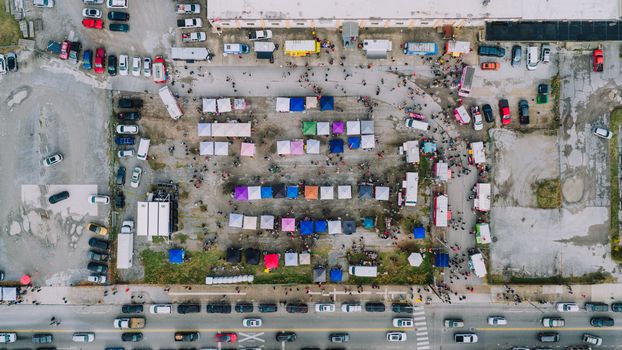
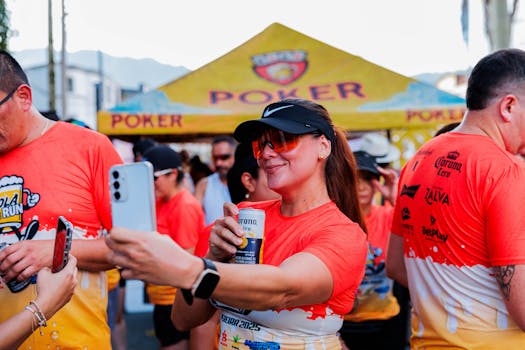
1. $1 Start with wide-angle shots that establish the setting and scale of the event. These images provide context, showing the size of the crowd, decorations, and overall atmosphere. 2. $1 Focus on authentic emotions—laughter, concentration, surprise, or connection. Candid shots of people interacting are often the most memorable and impactful. Use a longer lens (85mm or 135mm) to capture these moments from a respectful distance. 3. $1 Aim to represent the full spectrum of participants—different ages, backgrounds, and abilities. This not only provides a more accurate record but also fosters a sense of belonging within the community. 4. $1 Don’t overlook the small things: hands creating crafts, food being served, children’s art, or unique decorations. These detail shots add richness and variety to your coverage. 5. $1 Use foreground elements (like balloons, banners, or other attendees) to frame your subjects and add depth. Layering can help convey the bustle and liveliness of the event. 6. $1 For events featuring performances or sports, use burst mode to capture sequences. This increases your chances of getting the perfect moment of action.A well-composed series of images weaves together the who, what, when, where, and why of the event, turning documentation into a compelling story.
Adapting to Lighting Conditions: Natural and Artificial Light
Community events often take place in less-than-ideal lighting—think harsh midday sun, dim gymnasiums, or evening street fairs. Mastering light is crucial for quality results.
- $1 In bright sunlight, use a lens hood to reduce flare. Position yourself with the sun at your back, but avoid creating harsh shadows on faces. Overcast days are excellent for even, flattering light. - $1 Raise your ISO (modern cameras handle ISO 1600-3200 with minimal noise), and use a fast lens (f/2.8 or wider) to let in more light. If flash is allowed, bounce it off ceilings or walls for softer results. Avoid direct flash, which can appear harsh and disrupt the atmosphere. - $1 Pay attention to color temperature. Different light sources (LEDs, daylight, fluorescent) can cause color casts. Shoot in RAW format to allow for better correction in post-processing. - $1 The hour after sunrise and before sunset offers warm, soft light. For night events, look for creative light sources like string lights, candles, or stage lighting to illuminate your subjects.Here’s a quick comparison of common lighting scenarios and recommended camera settings:
| Lighting Scenario | ISO | Aperture | Shutter Speed | Tips |
|---|---|---|---|---|
| Bright Sunlight | 100-400 | f/5.6-f/11 | 1/500s+ | Use lens hood, avoid harsh shadows |
| Overcast Day | 400-800 | f/4-f/8 | 1/250s+ | Great for portraits, soft light |
| Indoor/Low Light | 1600-3200 | f/1.8-f/2.8 | 1/125s+ | Bounce flash if possible |
| Evening/Golden Hour | 400-1600 | f/2.8-f/4 | 1/250s+ | Use warm light creatively |
| Stage/Performance | 800-3200 | f/2.8-f/4 | 1/250s+ | Spot meter on subject |
Fine-tuning your camera settings and embracing available light will help you create images that feel natural and engaging.
Ethics, Permissions, and Privacy in Community Event Photography
Respecting the rights and privacy of event participants is critical, especially in community settings where minors or vulnerable groups may be present.
- $1 For public events in open spaces, general candid photography is usually acceptable. However, if you plan to use images for publications, promotions, or online platforms, especially when minors are involved, obtain written or verbal consent whenever possible. - $1 Some communities may have traditions or beliefs regarding photography. Always ask organizers beforehand and be aware of signs or announcements restricting photography. - $1 Avoid photographing people in distress, disagreements, or during private conversations. Focus on positive, inclusive moments that reflect the event’s purpose. - $1 Many organizers display signs at entrances stating that photography will occur. Consider wearing a visible badge identifying you as the event photographer.In 2023, the European Union implemented stricter GDPR guidelines for event photography, emphasizing the importance of transparency and consent. Adhering to these best practices builds trust and ensures ethical storytelling.
Post-Event Workflow: Organizing, Editing, and Sharing Images
Once the event is over, your workflow can make the difference between a chaotic photo archive and a valuable visual record. Here’s how to maximize the impact of your images:
1. $1 Copy your files to at least two separate locations—external drives, cloud storage, or both. According to Backblaze, 29% of photographers have lost images due to hardware failure or accidental deletion. 2. $1 Sort through your images to select the best shots. Tag images with keywords (like “crowd,” “speaker,” “children’s activity”) for easy retrieval. 3. $1 Adjust exposure, color balance, and cropping for a uniform look. Use software like Adobe Lightroom or Capture One to batch process similar images. 4. $1 Double-check that no images violate privacy agreements or depict sensitive situations. 5. $1 Share edited galleries with organizers, participants, and on social media, if permitted. Consider creating a highlights reel or slideshow for maximum engagement.A streamlined post-event process ensures your efforts are preserved, accessible, and ready to inspire future community initiatives.
Final Thoughts on Using Photography to Document Community Events
Documenting community events through photography is both an art and a service. By preparing thoroughly, employing thoughtful composition, adapting to varied lighting, respecting privacy, and maintaining a solid workflow, you can capture images that resonate long after the event concludes. These photos not only preserve memories but also strengthen community bonds, drive engagement, and tell the ongoing story of your neighborhood or organization. With the right techniques and a respectful approach, your camera becomes a bridge—connecting people, generations, and cultures through the universal language of images.