How to Plan Outfits for Photoshoots: A Guide for Artists and Models
Creating visually captivating images is a delicate dance between artistry, vision, and preparation. For both artists and models, the process of planning outfits for photoshoots isn’t just about looking good—it’s about telling a story, enhancing the mood, and ensuring the clothing complements the overall concept. Whether you’re an artist orchestrating a creative portrait session or a model looking to showcase versatility, thoughtful outfit planning can elevate your final results from ordinary to extraordinary.
In this comprehensive guide, we’ll explore how to strategically plan photoshoot outfits, considering everything from theme and location to color psychology and clothing logistics. By the end, you’ll have actionable steps and professional insights to help you prepare confidently for your next shoot.
Aligning Outfits with Photoshoot Concepts and Themes
The first step in planning any photoshoot outfit is understanding the shoot’s concept. Is the session meant to evoke a sense of nostalgia, urban edginess, or high-fashion glamour? Outfits should be more than just visually pleasing—they should reinforce the story you aim to tell.
.png)
For example, a vintage-inspired shoot might call for retro silhouettes, classic fabrics, and accessories like pearl necklaces or cat-eye sunglasses. In contrast, a futuristic editorial could require metallic fabrics, geometric cuts, and minimalistic designs.
A 2022 survey by Format Magazine found that 56% of professional photographers start their creative process by moodboarding, which often includes outfit suggestions. This collaborative approach ensures everyone is visually aligned before shooting day.
Key points to consider: - Establish a clear theme or story for the shoot. - Gather references (Pinterest boards, fashion magazines, film stills). - Communicate with all parties (photographer, stylist, model) to ensure outfit choices are cohesive with the concept. - Consider any branding or aesthetic guidelines if the photoshoot is for a commercial client.Factoring in Location, Season, and Lighting
The environment plays a critical role in outfit planning. The same outfit can look dramatically different depending on where and when the shoot takes place.
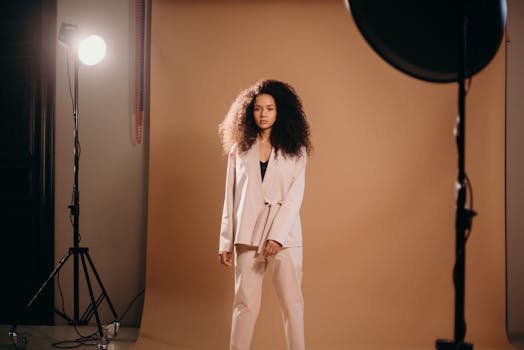
For outdoor shoots, consider the terrain and weather. Flowing dresses work beautifully in open fields but may not be practical for urban street photography. For indoor studio sessions, dramatic evening wear can pop against plain backdrops, while soft pastels might get lost in bright natural light.
Lighting is equally important. According to a 2021 report from the American Society of Media Photographers, 63% of photographers adjust clothing choices based on lighting conditions to avoid color distortion or unflattering shadows.
Tips for environmental adaptation: - Match outfit textures and colors with the location: earth tones for forests, bold colors for urban settings. - Check the weather forecast and prepare backup options for unexpected changes. - Consider seasonal appropriateness—layering in winter, breathable fabrics in summer. - Avoid reflective materials for outdoor sunny shoots to prevent glare.Understanding Color Theory and Coordination
Color can dramatically affect the visual impact of a photo. For artists and models, a basic understanding of color theory will help you choose outfits that not only flatter the subject but also harmonize with the shoot’s overall palette.
Contrasting colors can make a subject pop, while analogous colors (those next to each other on the color wheel) create a more soothing, unified look. Additionally, certain colors evoke specific moods: blues and greens are calming, reds and oranges are energizing, and monochrome palettes can add sophistication.
Here’s a quick comparison of color approaches for different photoshoot goals:
| Goal | Recommended Colors | Effect | Example |
|---|---|---|---|
| High Energy/Drama | Red, Orange, Black, Metallics | Bold, attention-grabbing | Fashion editorials, dance shoots |
| Calm/Serene | Blues, Greens, Pastels | Peaceful, soft | Lifestyle, maternity, nature shoots |
| Timeless/Classic | Neutrals, White, Navy, Beige | Elegant, versatile | Headshots, branding, family photos |
| Edgy/Modern | Monochrome, Deep Jewel Tones | Chic, contemporary | Street, conceptual art shoots |
Professional tip: Bring a color wheel to your planning session or use free online tools to visualize different combinations.
Balancing Style, Fit, and Comfort
While aesthetics are crucial, comfort and mobility should never be overlooked. An outfit that looks stunning but restricts movement can limit posing options and affect the model’s confidence. According to a 2023 poll by Model Alliance, 71% of models highlight comfort as a top priority for successful shoots.
Here’s how to balance style and comfort: - Opt for outfits that allow a full range of motion, especially for dynamic or action shots. - Test clothing beforehand: sit, stand, and move to check for any wardrobe malfunctions or discomfort. - Avoid overly tight or loose garments unless they are intentional for the look. - Consider bringing alternative shoes (stylish for photos, comfortable for walking between locations).Accessories also matter. Large jewelry or hats can be striking, but may cast unwanted shadows or become distracting. Strike a balance between statement pieces and practical wearability.
Planning and Organizing Multiple Looks
For artists and models working on editorial, portfolio, or campaign shoots, planning multiple outfits is often necessary to showcase versatility. Organization is key to a smooth workflow.
Effective planning steps: - Create a shot list with corresponding outfit choices. This ensures that each look serves a purpose and nothing gets left out. - Arrange outfits in order of shooting—start with the least complicated to avoid early mess or stains. - Label clothing and accessories for quick changes. - Pack a portable steamer, lint roller, and emergency sewing kit.Many professional teams use wardrobe checklists. A typical session might include three to five distinct looks: casual, formal, thematic, and one wildcard outfit for creative experimentation.
Preparing for the Unexpected: Backups and Flexibility
Even with meticulous planning, photoshoots often present surprises. Weather shifts, last-minute creative changes, or wardrobe malfunctions can happen. Being prepared can save the day.
Smart strategies include: - Pack at least one full backup outfit that aligns with the shoot’s theme. - Bring extra undergarments, socks, and neutral basics to layer or swap as needed. - Store outfits in garment bags to prevent wrinkles and stains during transport. - Communicate with the creative team about possible "plan B" options.Fashion industry data shows that 28% of professional photoshoots encounter at least one wardrobe-related hiccup. Being adaptable ensures you can keep the creative energy flowing despite unexpected challenges.
Elevating Your Image: The Power of Thoughtful Outfit Planning
For artists and models alike, the art of outfit planning is a vital part of the creative process. It’s not just about clothes—it’s about visual storytelling, professionalism, and maximizing the impact of every frame. By aligning your wardrobe choices with the shoot’s concept, environment, and color palette, and by prioritizing comfort and organization, you’ll set the stage for truly memorable images.
Thoughtful preparation shows in the final result. Whether you’re building your portfolio, collaborating on an artistic project, or just aiming for standout portraits, investing time in outfit planning ensures every detail works toward your creative vision.