Outdoor photography is a dynamic blend of art and science, where natural light, landscape, and—most importantly—color come together to tell compelling visual stories. Whether you’re a hobbyist capturing weekend adventures or a professional building a portfolio, understanding the perfect colors for outdoor photography projects can transform your images from ordinary to extraordinary. In this guide, we’ll explore how to harness color for maximum impact, examine color palettes inspired by nature, discuss how the time of day affects color, and offer practical tips to help you choose and use colors more effectively in your next outdoor shoot.
The Power of Color in Outdoor Photography
Color is more than just a visual element; it’s a language that evokes emotion, guides attention, and defines the mood of your photographs. Research shows that people make subconscious judgments about a visual scene within 90 seconds, and up to 90% of that assessment is based on color alone. In outdoor photography, where variables like weather and light constantly shift, choosing and understanding color becomes even more crucial.
For example, a field of vibrant yellow sunflowers under a bright blue sky can convey joy and optimism, while a misty forest in muted greens and grays might evoke calm or mystery. The colors present in your scene—and the way you highlight or balance them—will directly influence how your photo is perceived.
.png)
Natural Color Palettes: Drawing Inspiration from the Outdoors
Nature presents an endless array of color combinations, each suited for different moods and project goals. Recognizing and utilizing these palettes can help you create harmonious and visually appealing images.
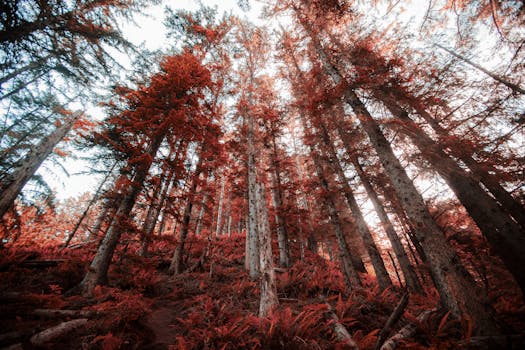
1. $1: Browns, ochres, and muted greens found in forests, deserts, and mountains. These colors offer warmth and a sense of groundedness. Studies show that images with earth tones often feel timeless and comforting. 2. $1: Scenes by the ocean, lakes, or rivers introduce a range of blues, teals, and turquoise. Blue is known to instill a sense of tranquility and openness. According to a 2022 survey, 42% of viewers associated blue-dominated landscapes with feelings of relaxation. 3. $1: Early morning and late evening light bathes the landscape in golds, pinks, and soft reds. These warm colors add drama and emotional depth to photos. 4. $1: Wildflower meadows, autumn forests, or city murals offer bold, contrasting colors—think poppies against green grass or orange leaves against a blue sky. These combinations are attention-grabbing and can make your subject pop. 5. $1: Misty mornings or snowy scenes often feature a limited, subtle palette. These can be powerful for minimalist or mood-driven projects.How Time of Day Shapes Outdoor Color
Light is the painter of outdoor photography, and the time of day has a dramatic impact on color.
- $1 Colors are warmer, shadows are long and soft, and everything is suffused with a gentle glow. This is the ideal time for portraits and landscapes where you want to highlight warmth and intimacy. - $1 The sky turns deep blue, and the light is soft and diffused. Blue hour is perfect for moody or ethereal shots, cityscapes, and water scenes. - $1 Sunlight is strong and colors are at their most saturated. However, harsh shadows can be a challenge. Midday is best for dynamic, high-energy shots, such as action photography or vibrant street scenes. - $1 Clouds act as a giant softbox, reducing contrast and muting colors. This is excellent for capturing fine details, subtle color variations, and portraits without harsh shadows.Here’s a comparative table summarizing how color changes with the time of day:
| Time of Day | Color Characteristics | Best Uses |
|---|---|---|
| Golden Hour | Warm, golden, soft shadows | Portraits, landscapes, romantic scenes |
| Blue Hour | Cool blue tones, low contrast | Cityscapes, water, moody shots |
| Midday | Bright, saturated, high contrast | Action, vibrant street scenes |
| Overcast | Muted, soft, even lighting | Portraits, macro, fine detail |
Choosing the Right Colors for Different Outdoor Photography Projects
Matching your color choices to the mood and message of your project can elevate your results. Here are some popular outdoor photography genres and the color strategies that work best for each:
1. $1 - Go for complementary colors found in the environment. For instance, the orange of autumn leaves stands out against a blue sky, while green meadows pop when contrasted with purple wildflowers. - Use color to guide the viewer’s eye: a red barn in a field of green draws focus. 2. $1 - Encourage subjects to wear solid colors that contrast gently with the background, such as pastels in a dark forest or earth tones in autumn foliage. - Avoid overly busy patterns that clash with the setting. 3. $1 - Bright, bold colors like reds, yellows, and blues increase visibility and excitement. - For sports or movement, use contrasting colors to separate the subject from the background. 4. $1 - Cities offer a diverse palette: neon signs, painted walls, and graffiti. Seek out primary colors and high contrast for a dynamic, modern feel. - For moodier street scenes, focus on muted tones and play with shadows. 5. $1 - Experiment with unconventional palettes: monochromatic schemes, selective color (where only one color is highlighted), or surreal edits. - Use color grading in post-production to fine-tune the emotional impact.Color Theory Tips for Outdoor Photographers
Applying basic color theory can help you create more balanced and engaging images. Here’s how:
- $1 These are opposite each other on the color wheel (e.g., blue and orange). Using them together creates vibrant, eye-catching contrast. - $1 These sit side by side on the color wheel (e.g., green, yellow-green, yellow). They’re harmonious and pleasing for serene scenes. - $1 These are evenly spaced around the color wheel (e.g., red, yellow, blue). Triadic schemes are energetic and work well for playful or creative projects.A 2023 analysis of award-winning outdoor photographs found that 65% used complementary or analogous color schemes, underscoring the effectiveness of these approaches.
Pay attention to the “dominant” and “accent” colors in your scene. For example, a landscape dominated by green can be made more interesting by including a splash of red or purple as an accent.
Practical Tips for Capturing Perfect Colors Outdoors
Even the most striking color palettes can fall flat if not captured properly. Here are actionable tips to ensure your colors look their best:
1. $1 Incorrect white balance can result in unnatural color casts. Use your camera’s presets (like “Daylight” or “Cloudy”) or custom white balance for accurate colors. 2. $1 RAW files retain more color data than JPEGs, giving you more flexibility in post-processing. 3. $1 These filters reduce glare and enhance color saturation, especially in skies and water scenes. 4. $1 Overexposure can wash out colors, while underexposure can make them dull. Use your histogram to ensure a balanced exposure. 5. $1 Notice how colors change throughout the day, and plan your shoot for the best lighting and color conditions. 6. $1 In post-production, subtle adjustments to vibrance, saturation, and contrast can make colors pop without looking artificial.Final Thoughts: Elevate Your Outdoor Photography with Color Mastery
Mastering color in outdoor photography is about more than just finding a beautiful view; it’s about understanding how color works, how it changes with light, and how it can be used to tell a story. By drawing inspiration from nature, applying color theory, and using practical techniques, you can create images that not only capture the world as it is, but also as you imagine it. Whether you’re chasing golden hour or experimenting with bold contrasts, let color be your guide—and watch your outdoor photography projects reach new creative heights.