Photography is more than just a visual art; it’s a powerful storytelling tool that preserves, celebrates, and shares the intricate fabric of local traditions and customs. In a rapidly globalizing world, the unique rituals, festivals, crafts, and everyday practices of communities risk being overlooked or forgotten. By harnessing the potential of photography, individuals and organizations can not only document these cherished customs but also promote them to a broader audience, ensuring their survival for generations to come.
This article explores how photography can be thoughtfully and effectively used to capture and promote local traditions and customs, from understanding cultural context to choosing the right platforms for sharing your work. Whether you’re a passionate amateur or an experienced professional, these insights will help you approach cultural photography with respect and impact.
The Power of Visual Storytelling in Cultural Preservation
Photographs have the unique ability to freeze moments in time, conveying emotion, atmosphere, and context in a single frame. When it comes to local traditions and customs, this power is invaluable. A well-composed image of a traditional dance, a religious procession, or a craftsperson at work can tell stories that words alone may struggle to capture.
.png)
According to UNESCO, intangible cultural heritage—including rituals, festivals, and oral traditions—forms a vital part of cultural diversity and identity. Yet, a 2022 survey by the International Council on Monuments and Sites found that 40% of local traditions globally are at risk of disappearing in the next 50 years. Photography is an accessible tool that communities can use to document and revitalize these endangered customs.
Moreover, visual storytelling bridges language barriers, making it easier to share local traditions with international audiences. Through engaging images, photographers can draw attention to the cultural richness of a region, fostering appreciation, respect, and even tourism, which in turn can help sustain these practices.
Preparing for Authentic Cultural Photography
Capturing local traditions and customs requires more than technical skill; it demands cultural sensitivity, preparation, and collaboration. Before you begin photographing, spend time researching the tradition you wish to document. This includes understanding its history, significance, and the people involved.
Here are some best practices for authentic cultural photography:
1. $1: Build relationships with local individuals and leaders. Ask for permission before photographing ceremonies or private events, and explain your intentions. This approach not only builds trust but often results in more genuine, meaningful images. 2. $1: Attend events without your camera first, if possible. Observe the flow, traditions, and roles of participants. Understanding context helps you anticipate key moments and avoid misrepresentations or faux pas. 3. $1: Some traditions may include rituals that are not meant to be photographed. Always respect boundaries and avoid intrusion. 4. $1: Collaborate with local photographers or storytellers for a richer, more accurate portrayal. This inclusion can also empower communities to tell their own stories. 5. $1: Cultural events can occur in challenging settings—crowded streets, low light, or outdoor venues with unpredictable weather. Prepare your gear accordingly, bringing appropriate lenses, batteries, and protection for your equipment.Techniques for Capturing the Essence of Local Traditions
Documenting a culture goes beyond snapping pictures at public events. To truly capture the essence of a tradition, photographers should focus on the following techniques:
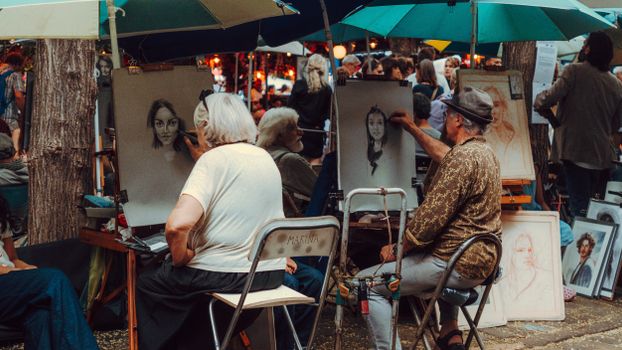
1. $1: Take environmental portraits that show people within the context of their tradition—such as a baker in a centuries-old shop or dancers preparing backstage. These images humanize customs and highlight their role in daily life. 2. $1: Focus on the small elements that make a tradition unique: intricate embroidery, ritual objects, or the hands of an artisan at work. These details add depth to the visual story. 3. $1: Rather than a single image, create a photo essay that follows the progression of a festival or daily practice. This approach provides viewers with a narrative arc, offering insight into preparation, participation, and aftermath. 4. $1: Seek moments of joy, concentration, or communal interaction. Genuine emotion resonates with viewers and communicates the importance of the tradition. 5. $1: Traditional events may be colorful, dynamic, or solemn. Use natural light and thoughtful composition to emphasize the mood—soft morning light for a quiet prayer ritual or vibrant hues for a carnival.Promoting Local Traditions Through Modern Photography Channels
Taking powerful photos is only half the story; sharing them effectively ensures that local traditions reach a wider audience. The digital age offers multiple platforms for promotion, each with its own strengths.
Below is a comparison of popular channels for sharing cultural photography:
| Platform | Audience Reach | Content Format | Best For |
|---|---|---|---|
| 2+ billion users | Images, Stories, Reels | Visual storytelling, engaging younger audiences | |
| 2.9 billion users | Albums, Events, Groups | Community building, event promotion | |
| Local Exhibitions | 100-10,000 (varies) | Printed photos, installations | Direct community engagement, educational outreach |
| Photo Blogs/Websites | Global (varies with SEO) | Photo essays, articles | In-depth storytelling, archiving |
| YouTube | 2.5 billion users | Video slideshows, documentaries | Dynamic storytelling, behind-the-scenes content |
Ethical Considerations and Responsible Storytelling
Photographing local customs carries ethical responsibilities. There is a fine line between documentation and exploitation, and it is crucial to approach subjects with integrity.
- $1: Don’t reduce a culture to clichés or exoticize practices for dramatic effect. Aim for nuanced storytelling that represents the complexity of local life. - $1: Always credit your subjects and consider ways to give back, whether through sharing prints, contributing to community projects, or involving locals in exhibitions. - $1: Especially when photographing children or private rituals, ensure you have explicit consent. In many countries, this is a legal as well as an ethical requirement. - $1: Pair images with accurate descriptions. Mislabeling or decontextualizing a photo can spread misinformation and harm cultural understanding.A 2023 report by the World Press Photo Foundation highlighted that over 60% of photo subjects felt misrepresented by images taken during cultural events, underscoring the importance of clear communication and ethical practices.
Case Studies: Success Stories in Cultural Photography
Around the world, photographers have successfully used their craft to spotlight and revive local traditions:
- $1: Mexican photographers like Lourdes Grobet have documented the vibrant altars, parades, and family gatherings of Día de los Muertos. Her work, featured in international galleries, has contributed to global appreciation and UNESCO Intangible Heritage status for the festival. - $1: The world’s largest religious gathering, the Kumbh Mela, has been extensively photographed. In 2019, over 150 million pilgrims attended. Photo essays by both Indian and international photographers have raised awareness of its scale and significance, attracting responsible tourism and research. - $1: Local organizations in the Andes have trained community members to document their own textile-making traditions. These images are used in online shops, funding education and preservation programs while ensuring that the narrative remains in local hands.These case studies show that photography, when approached thoughtfully, can be a force for cultural pride, education, and sustainable development.
Preserving Heritage: The Lasting Value of Cultural Photography
In a world of fleeting trends and digital overload, photographs of local traditions serve as enduring records of our shared human heritage. They foster understanding across borders, encourage respect for diversity, and provide future generations with a window into their past.
By approaching cultural photography with preparation, empathy, and ethical responsibility, anyone can contribute to the preservation and promotion of local customs. Whether your images are displayed in a village hall or shared with millions online, their impact can ripple outward—celebrating the unique stories that make communities thrive.