Artists as Catalysts for Urban Regeneration
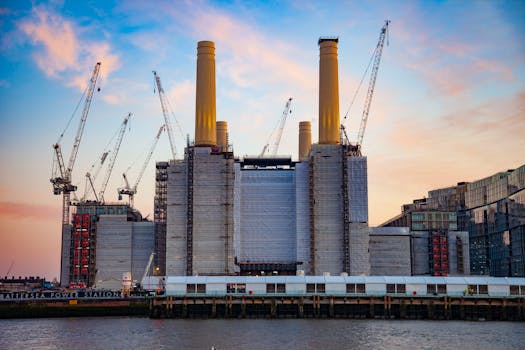
Urban regeneration is a pressing concern for cities worldwide, as aging and deteriorating urban areas require revitalization to meet contemporary needs. Surprisingly, artists have become influential catalysts in this rejuvenation process. This article delves into the role of artists in urban regeneration and why their involvement often leads to successful and enduring urban renewal.
The Creative Impact of Artists
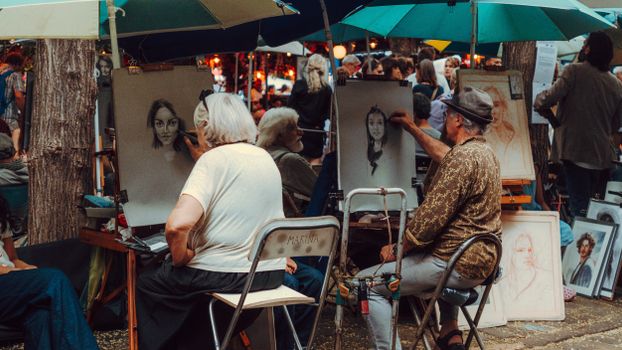
Artists possess a unique blend of skills and perspectives that can revitalize urban environments. Their creativity and ability to perceive potential in decay are invaluable. By introducing art in various forms—whether through installations, murals, or performances—artists draw attention to overlooked areas, attracting both locals and tourists. This influx can boost local economies by increasing property values and creating new business opportunities.
Community Engagement and Social Integration
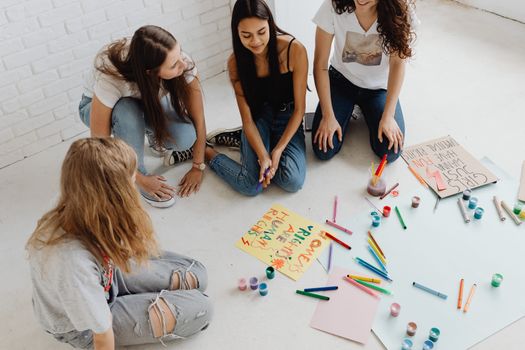
Artists frequently connect with communities in ways that other stakeholders may not. Through community art projects, artists empower residents to voice their concerns and hopes for their neighborhoods. Such engagement fosters a sense of community and belonging, crucial elements in the social fabric of urban regeneration.
Public art not only beautifies an area but also makes neighborhoods more appealing to residents, businesses, and investors. It transforms spaces into places where people desire to live, work, and socialize.
Cultural Narratives and Inclusivity
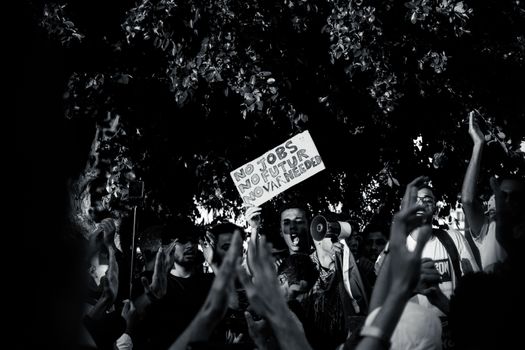
Artists play a pivotal role in challenging and reshaping cultural narratives. Through their work, they address social issues, provoke thought, and inspire change, fostering a more inclusive and diverse community. This cultural shift is essential for the sustained success of urban regeneration endeavors.
Challenges and Considerations
Despite the positive impacts, the involvement of artists in urban regeneration comes with challenges. Gentrification is a significant concern; revitalization can lead to increased property prices, potentially displacing long-term residents. It is vital for urban planners and policymakers to collaborate with artists and community members to ensure that regeneration projects benefit the entire community.
Additionally, the sustainability of artist-led projects can pose a challenge. While artists can initiate regeneration, there must be a long-term strategy to maintain and expand upon the initial improvements. This requires ongoing collaboration among artists, local governments, businesses, and other stakeholders to foster sustainable and inclusive urban environments.
Conclusion
Artists are crucial in driving urban regeneration. Their innovative vision and community engagement can transform neglected areas into lively, thriving communities. However, addressing the challenges of gentrification and sustainability is essential to ensure that the advantages of urban regeneration are experienced community-wide. By collaborating, artists and other stakeholders can develop urban spaces that are not only visually appealing but also vibrant, socially, and economically.