Engaging Young People in Everyday Art Projects: Fresh Approaches for Community Creativity
Art has always been a powerful way to bring people together, inspire individual expression, and strengthen communities. But in a world saturated with digital entertainment and busy schedules, many communities struggle to get young people involved in everyday art projects. The key to success lies in making art projects accessible, relevant, and appealing to the unique interests and needs of today’s youth. This article explores innovative strategies for engaging young people in community art projects, backed by real-world examples, statistics, and practical advice.
Understanding the Value: Why Youth Engagement in Art Matters
Before diving into strategies, it’s important to understand why engaging young people in everyday art is so impactful. According to a 2022 report by the National Endowment for the Arts, students who participate in arts activities are four times more likely to be recognized for academic achievement. In addition, a study from the University of California found that teens involved in community art projects are 30% more likely to volunteer and participate in civic life as adults.
Beyond the statistics, art gives young people a powerful outlet for self-expression, stress relief, and social connection. When youth feel that their voices and ideas matter in community projects, they become more invested not just in art, but in the wellbeing of the neighborhood itself. This ripple effect can help reduce feelings of isolation, build cross-generational relationships, and even decrease incidents of youth crime—a 2019 UK study found a 15% drop in neighborhood vandalism where youth mural programs were implemented.
.png)
Co-Creation: Involving Young People from the Start
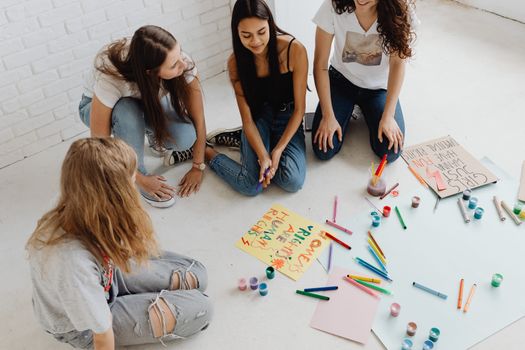
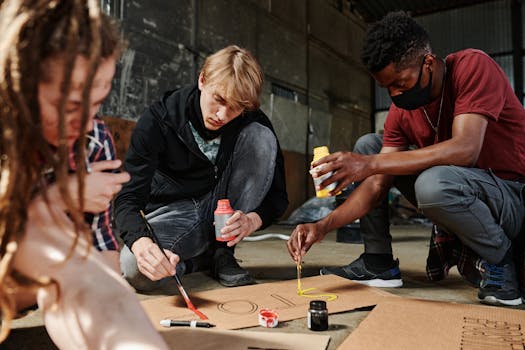
Traditional community art projects often follow a top-down model: adults plan everything, and youth are invited to participate. While well-intentioned, this approach can make young people feel like passive participants. Instead, successful projects start with co-creation—actively involving young people in brainstorming, planning, and decision-making from day one.
For example, the "Youth Voices Art Collective" in Minneapolis invites teens to join as project leaders, working alongside local artists and residents. They help choose themes, select materials, and even manage social media outreach. As a result, over 70% of participants report feeling “very connected” to their neighborhood after the project, compared to 42% before joining.
Practical steps for co-creation: - Host open forums or idea nights specifically for youth - Conduct surveys through schools or social media to gather project ideas - Allow young people to vote on project themes or locations - Invite youth to lead workshops or be part of the project planning committeeThis approach promotes a sense of ownership, increases motivation, and ensures the final artwork truly reflects the community’s youth perspective.
Making Art Everyday: Integrating Creativity Into Daily Life
For many young people, the idea of art can feel intimidating or disconnected from daily life. To bridge this gap, communities can focus on “everyday art”—projects that weave creativity into routines, public spaces, and familiar activities.
Examples include: - Sidewalk chalk murals at bus stops and parks - Collaborative poetry walls at community centers or libraries - Upcycling workshops where youth turn recycled items into sculptures - Art journaling pop-ups in coffee shops or afterschool programsThese approachable activities demystify the creative process and show that art isn’t just for galleries—it’s for everyone, everywhere. The city of Boulder, Colorado, saw youth art participation rise by 28% after launching its “Art in Unexpected Places” initiative, which included spontaneous mural painting events and temporary sculpture installations in everyday locations.
Leveraging Technology: Digital Platforms for Creative Engagement
Today’s young people are digital natives. Integrating technology into community art projects can dramatically expand engagement, especially for those who might not attend in-person events or who live in underserved areas.
Digital strategies include: - Virtual art showcases where youth upload and share their work - Collaborative online murals using platforms like Mural or Google Jamboard - Social media challenges (e.g., #ArtInMyBlock) to share daily creative moments - Augmented reality art walks that overlay digital art on neighborhood landmarks through smartphone appsA 2023 survey by Pew Research found that 95% of teens have access to a smartphone, making digital engagement a powerful equalizer. For example, after launching an Instagram-based art challenge, the “Create Together” initiative in Detroit saw participation from over 1,200 local youth—nearly triple the attendance of its previous in-person events.
Bridging Generations: Mentorship and Intergenerational Collaboration
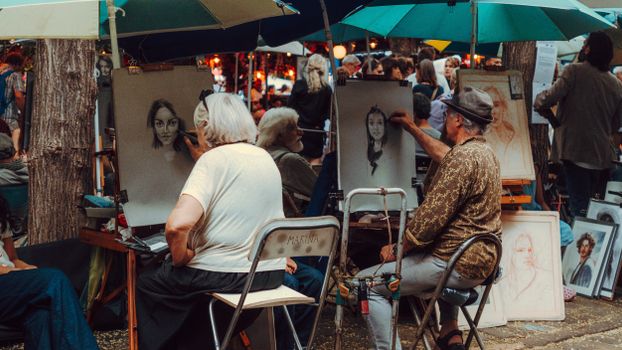
Art projects that unite young people with older artists, craftspeople, or community members offer double the benefits: youth learn new skills and stories, while adults are energized by fresh perspectives. Intergenerational art initiatives can also help break down stereotypes and build meaningful relationships.
Successful approaches include: - Pairing local artists with youth groups for co-created murals or installations - “Creative storytelling” nights where elders share neighborhood history and youth illustrate or dramatize the stories - Skill-swap sessions, such as teens teaching digital art while seniors share traditional craftsIn Portland, Oregon, the “Bridges & Brushes” program matched 40 high school students with older residents to paint a series of murals. 87% of participants reported increased respect and understanding for other generations, and the murals became a point of community pride.
Showcasing Success: Recognizing and Celebrating Youth Art
Recognition is essential for sustaining youth engagement. Showcasing young people’s art in public spaces, community events, or online platforms validates their effort and inspires others to join in. This recognition can take many forms:
- Outdoor exhibitions along main streets or in local parks - Features in community newsletters, radio shows, or local newspapers - Awards for creativity, teamwork, or innovation - End-of-project celebrations where youth can present their work to family and friendsSuch visibility not only boosts the confidence of young artists but also signals to the wider community that youth voices matter.
| Strategy | Main Benefit | Example Community Impact |
|---|---|---|
| Co-creation | Boosts ownership and motivation | Minneapolis: 70% feel more connected to community |
| Everyday Art Integration | Makes art accessible and routine | Boulder: 28% rise in youth participation |
| Digital Engagement | Expands reach, especially for underserved youth | Detroit: 1,200+ youth joined online art challenges |
| Intergenerational Collaboration | Builds respect and community bonds | Portland: 87% reported improved understanding across ages |
| Public Recognition | Encourages ongoing involvement and pride | Multiple cities report increased future project interest |
Final Thoughts: Building Sustainable Youth Art Engagement in Your Community
Engaging young people in everyday art projects isn’t about one-off events or single masterpieces—it’s about creating a culture where creativity is woven into the fabric of community life. By prioritizing co-creation, integrating art into daily routines, embracing digital platforms, fostering intergenerational exchange, and celebrating youth contributions, communities can unlock a wellspring of talent and energy.
Most importantly, remember that every community is unique. Success comes from listening to local youth, adapting to their interests, and being open to experimentation. With the right strategies and a commitment to inclusion, any neighborhood can become a vibrant hub of youth creativity—one mural, poem, or sculpture at a time.