Are you passionate about art and eager to share that enthusiasm with others? Whether you’re a seasoned artist, a parent, a student, or simply someone who values creativity, getting involved in art education can be a deeply rewarding experience. Art education not only nurtures imagination but also builds critical thinking, problem-solving, and collaboration skills that are vital in today’s world. For those looking to make a difference, there are a wealth of opportunities and programs in your local area—many of which may surprise you. This guide explores diverse ways to get involved, from volunteering and teaching to supporting community initiatives, and provides key resources to help you find the right fit.
The Importance of Community Engagement in Art Education
Art education is much more than just learning to paint or draw; it’s a cornerstone for developing well-rounded individuals and vibrant communities. Studies from the National Endowment for the Arts (NEA) reveal that students who participate in art programs are four times more likely to be recognized for academic achievement. Moreover, schools with robust art offerings report 20% higher graduation rates.
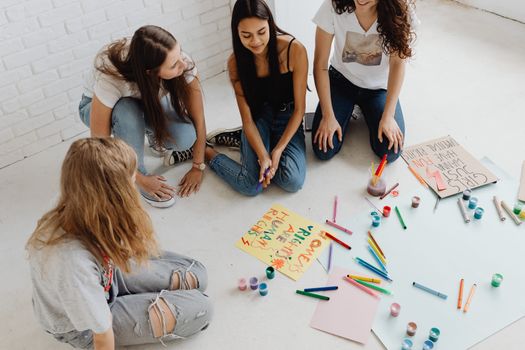
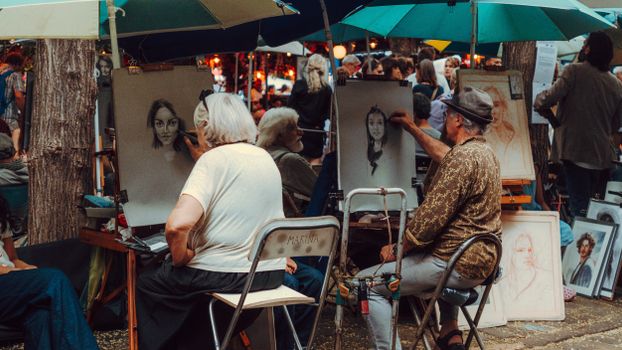
Community involvement in art education brings art out of the classroom and into everyday life. Public murals, community workshops, and local exhibitions foster a sense of belonging and pride. In 2023, over 65% of American cities reported hosting at least one community art event annually, according to Americans for the Arts. These activities not only beautify neighborhoods but also promote cultural exchange and mental well-being.
.png)
Getting involved locally allows you to:
- Influence the next generation of creative thinkers - Support cultural diversity - Enhance community cohesion - Help bridge educational equity gaps, especially in underserved areasWhether you want to teach, mentor, or simply enjoy art alongside others, your participation matters.
Exploring Local Art Education Programs
Opportunities to participate in art education abound across the United States and beyond, with programs tailored to a wide range of interests and skill levels. Here are the most common types of programs available in many communities:
1. $1: These organizations typically offer classes, workshops, and open studio sessions for adults and children. For example, the Visual Arts Center of Richmond operates year-round, serving over 40,000 participants annually. 2. $1: Many schools and nonprofits offer after-school art clubs where volunteers and instructors are often needed. The Boys & Girls Clubs of America, for instance, runs “ImageMakers,” a national photography program reaching 16,000 youth each year. 3. $1: Local museums commonly offer docent (guide) training, school tours, and family art days. In 2022, the Museum of Fine Arts, Boston trained over 300 volunteer docents, each helping with hands-on activities and gallery talks. 4. $1: Don’t overlook your local library or rec center! Across the U.S., over 2,500 public libraries host art classes, craft nights, or lecture series annually, often seeking instructors or facilitators. 5. $1: Organizations like The Art of Autism and VSA (Very Special Arts) offer programs for people with disabilities, providing meaningful volunteer and teaching roles. 6. $1: City-run mural projects, sculpture walks, and pop-up exhibitions offer a chance to engage with art education in public spaces.Ways to Get Involved: Volunteer, Teach, or Learn
Getting involved in art education doesn’t always mean being a professional artist or teacher. There are multiple pathways to participate, each making a significant impact.
- $1: Many programs rely on volunteers to help with classes, supervise activities, or mentor young artists. According to VolunteerMatch, over 10,000 art education volunteer opportunities are posted annually in the U.S. - $1: If you have expertise in painting, sculpture, digital art, or crafts, consider leading a workshop. Adult education centers, senior centers, and community colleges frequently hire guest instructors. - $1: Not comfortable teaching? You can help plan events, assist with exhibits, or manage social media for art organizations. - $1: Enrolling in local art classes supports organizations and helps you connect with others who share your interests. - $1: Attend school board meetings, write op-eds, or join local arts councils to champion the importance of art in education.Finding Art Education Opportunities Near You
Discovering the right art education program in your area can be as simple as a quick search, but targeted approaches often yield better results. Here are strategies and resources to help you connect with local opportunities:
- $1: Websites like the National Guild for Community Arts Education and Americans for the Arts offer searchable databases by city or zip code. - $1: Many post volunteer and teaching opportunities on their websites or community boards. - $1: Inquire about docent programs or workshop schedules. - $1: Local government websites often list grants, projects, and calls for volunteers. - $1: Attend openings, fairs, or artist talks to meet program coordinators and educators.Below is a comparison table of common types of art education providers and the opportunities they typically offer:
| Provider Type | Common Opportunities | Who Can Participate | Estimated Reach |
|---|---|---|---|
| Community Art Center | Classes, workshops, volunteer positions | All ages, artists, volunteers | 500-5,000 annually |
| Museum | Docent programs, family days, lectures | Adults, teens, educators | 1,000-100,000 annually |
| After-School Program | Mentoring, instruction, event help | Teens, college students, retirees | 100-2,000 annually |
| Library | Art classes, craft nights, exhibits | General public, families | 200-10,000 annually |
| Public Art Initiative | Mural painting, project management | Artists, volunteers, youth | Varies by project |
Virtual and Hybrid Art Education: Expanding Opportunities
While traditional in-person programs remain central, the past few years have seen an explosion in virtual and hybrid art education opportunities. According to the Arts Education Partnership, 78% of surveyed arts programs added online components since 2020, vastly increasing accessibility.
- $1: Platforms like Creativebug and Skillshare offer live and recorded classes, many free through local library partnerships. - $1: Major museums now offer virtual docent programs and interactive workshops accessible nationwide. - $1: Some organizations blend online instruction with in-person art creation, making it easier for those with limited mobility or busy schedules to participate. - $1: Tasks like curriculum development, social media management, and virtual mentoring can often be done from anywhere.This new flexibility means you can get involved in art education regardless of your location or time constraints.
Funding and Scholarships: Supporting Art Education Access
Cost can be a barrier to both participating in and providing art education. Fortunately, many programs offer financial support:
- $1: Over 60% of community art centers in the U.S. offer scholarships or sliding scale fees based on income. - $1: National organizations like the National Endowment for the Arts and local arts councils offer grants for those wishing to teach or start new programs. - $1: Companies like Blick Art Materials and the Robert Rauschenberg Foundation fund community projects and educator training.If affordability is a concern, don’t hesitate to ask about available assistance—most organizations are eager to make art accessible to everyone.
Taking the Next Step: How to Start Your Art Education Journey
With so many options available, getting started in art education can feel overwhelming, but a focused approach makes it manageable and enjoyable:
1. $1: Are you more comfortable teaching, organizing, or supporting behind the scenes? Do you want to work with children, adults, or seniors? 2. $1: Use the resources above to find a few programs that match your interests. 3. $1: Send a polite inquiry, attend an open house, or sign up for a class. Most organizations welcome newcomers. 4. $1: Try volunteering for a single event or assisting in a class to see what fits best. 5. $1: As you build relationships and experience, you can take on larger roles or even launch your own art education initiative.Remember, every contribution—big or small—helps foster creativity and enriches your community.