Capturing and Sharing Community Photography: Telling the Story of Your Neighborhood
The lens of a camera is a powerful tool for storytelling. In every neighborhood, town, and city, countless untold stories unfold every day—moments of joy, struggle, tradition, and transformation. Community photography invites everyone, regardless of skill level, to become a visual historian of their surroundings. By documenting local life through photos and sharing them thoughtfully, you can help build a visual archive that strengthens connections, preserves memories, and inspires change. In this guide, we’ll explore practical strategies for creating and sharing community photography, with a focus on ethical storytelling, collaborative projects, and harnessing digital platforms to amplify the voices of your area.
The Importance of Community Photography: More Than Just Pictures
Community photography is about more than simply snapping photos on your phone. It’s a means of capturing the unique character, diversity, and rhythm of everyday life where you live. According to a 2022 Pew Research Center report, 85% of Americans now have a smartphone, making photography more accessible than ever. Yet, only a fraction actively document their communities in a way that tells meaningful stories.
By investing time in capturing local events, people, and spaces, you create a record that can:
.png) - Foster local pride and unity
- Preserve cultural traditions and changes
- Provide visual evidence for local advocacy or improvement projects
- Serve as an educational resource for future generations
- Foster local pride and unity
- Preserve cultural traditions and changes
- Provide visual evidence for local advocacy or improvement projects
- Serve as an educational resource for future generations
For example, the “Humans of New York” project began as a simple community photography effort and has now shared over 12,000 stories, gaining more than 30 million social media followers. Such projects prove that community photography can transcend geographic boundaries and have lasting impact.
Choosing What to Document: Finding Your Community’s Story
The first challenge in community photography is deciding what to capture. Every area has its own narrative threads—festivals, sports games, daily routines, renovation projects, or hidden corners with fascinating stories. Here are some approaches to uncovering what to document:
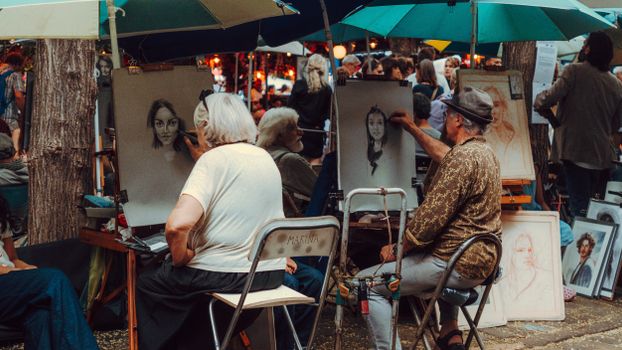
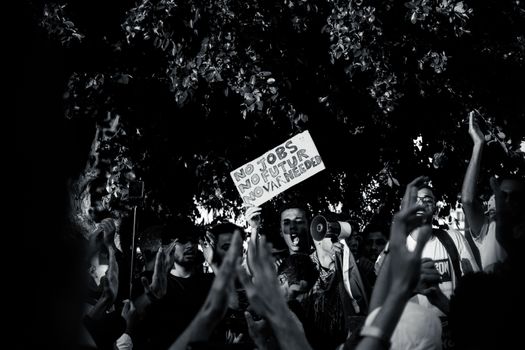
1. $1 Interview shop owners, long-time residents, local artists, or youth. Portraits accompanied by short quotes or bios can create powerful visual narratives. 2. $1 Parks, playgrounds, murals, and historic buildings all reflect a community’s values and history. Document changes over time, such as new developments or community garden growth. 3. $1 Scenes from farmers’ markets, bus stops, or morning coffee rituals can reveal the unnoticed beauty and rhythm of your area. 4. $1 From parades to charity runs, these moments showcase community spirit and collective memory. 5. $1 Photograph areas undergoing development, environmental issues, or neighborhood meetings. Sensitive documentation can raise awareness and spark conversation.A 2023 National Endowment for the Arts survey found that 62% of Americans believe local arts and culture projects improve community well-being—community photography can be a vital part of this movement.
Ethical Storytelling: Respect, Consent, and Representation
With the power to shape perceptions comes the responsibility to photograph ethically. Community photography should always prioritize dignity, consent, and accuracy. Here’s how to ensure your work uplifts rather than exploits:
- $1 Especially when photographing individuals, get clear consent. Explain how and where the images will be used. - $1 Avoid stereotypes and strive to capture the full spectrum of your community’s experiences. - $1 If you’re sharing photos online or in exhibitions, let participants know. Share your goals and invite feedback. - $1 Exercise extra caution when photographing children, marginalized populations, or sensitive situations. Sometimes, the best choice is not to take or publish certain images. - $1 Whenever possible, give copies of photos to those you photograph, and credit participants in captions or exhibits.Ethical community photography not only builds trust but also enhances the impact and reach of your work. In fact, studies show that projects practicing informed consent enjoy 30% greater engagement on social platforms, according to a 2023 Adobe Creative Insights report.
Collaborative Projects: Building a Community Archive Together
Photography can be a solitary pursuit, but community projects unlock new possibilities. Many successful initiatives invite residents to contribute their own images, creating a richer, more inclusive record. Here’s how you can launch a collaborative community photography project:
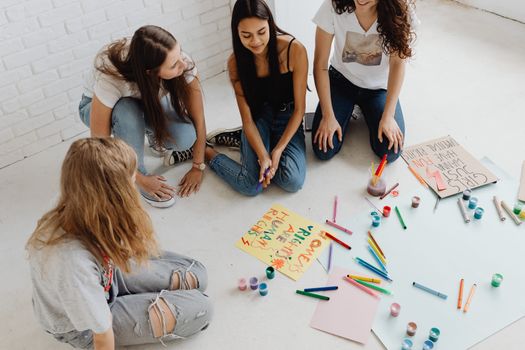
- $1 Invite neighbors to explore the area together, capturing images on a shared theme (e.g., “Signs of Change” or “Hidden Gems”). This can encourage new perspectives and skills. - $1 Collect digital or printed photos from residents for a public display at a library, community center, or online gallery. - $1 Offer prompts like “Favorite Local Spot” or “Faces of Our Future.” Provide simple submission guidelines and celebrate all entries. - $1 Collaborate with schools, nonprofits, or museums to expand reach and access resources. Joint exhibitions and workshops can amplify impact. - $1 Establish a digital archive or website where residents can upload and tag their photos year-round. This builds a living history that grows over time.A notable example: The “Everyday Africa” project, started in 2012, invited photographers to share candid images of daily life across the continent. Today, it features contributions from over 50 photographers and has inspired similar projects worldwide.
Sharing Community Photography: Platforms and Strategies
Once you’ve created your images, sharing them effectively is key to sparking conversation and engagement. The digital era offers a wealth of options, from social media to physical exhibits. Each platform has its own strengths:
| Platform | Best For | Reach | Notable Feature |
|---|---|---|---|
| Visual storytelling, hashtags for local discovery | Global, local with geotags | Engagement via Stories, Reels | |
| Facebook Groups | Community discussion, event promotion | Local, targeted | Private or public sharing |
| Local Newspapers/Magazines | Print and digital features, credibility | Regional | Archival value |
| Community Websites | Dedicated archives, project showcases | Local, niche | Custom galleries |
| Public Exhibits | In-person engagement, outreach | Community-wide | Events, workshops |
When sharing online, use local hashtags and geotags to increase visibility. Tag local organizations and encourage sharing to reach new audiences. Physical exhibits, meanwhile, can create meaningful in-person connections and foster dialogue.
A 2021 Statista report found that 71% of adults discover local events and initiatives via social media—so sharing your photography online is a powerful way to raise awareness and participation.
Preserving and Celebrating Your Community’s Visual Story
Documenting your community is an ongoing journey. To ensure your photos have lasting value, consider how you’ll preserve and celebrate your work:
- $1 Store photos on multiple platforms: hard drives, cloud services, or even dedicated community archives. - $1 Organize images by date, location, and subject. This makes future retrieval easier and adds historical context. - $1 Celebrate milestones with public displays that invite reflection and feedback. - $1 Encourage youth and elders alike to contribute—this creates a more complete and diverse record. - $1 Your photos can become part of the official record, informing future generations and researchers.For example, the Chicago History Museum’s “Share Your Story” campaign accepts community photos to document the evolving cityscape, ensuring that personal perspectives become part of public memory.
Final Thoughts: Your Neighborhood Needs Your Lens
Creating and sharing community photography is a powerful, accessible way to document the life and spirit of your area. Whether you are capturing bustling markets, quiet corners, or the faces of friends and neighbors, your images help tell a collective story that might otherwise go unseen. With respect, collaboration, and thoughtful sharing, you can help build an enduring visual legacy—one that celebrates the richness and resilience of your community for years to come.