Every summer, the Coupeville Festival transforms the picturesque seaside town of Coupeville, Washington into a vibrant celebration of art, heritage, and community. Photographers—both local and visiting—are drawn by the promise of colorful parades, artisan markets, and the unique rhythms of island life. But capturing the soul of a festival like Coupeville’s is about more than snapping pretty pictures. To truly document local culture, you need to blend technical know-how with a storyteller’s eye. Whether you’re a casual smartphone shooter or a dedicated DSLR enthusiast, this practical guide will help you photograph at the Coupeville Festival and return with images that resonate.
Understanding Coupeville Festival’s Unique Atmosphere
Before you lift your camera, spend time immersed in the Coupeville Festival’s unique ambiance. This event, with roots stretching back over 50 years, attracts more than 15,000 visitors each August to Whidbey Island. Unlike larger urban festivals, Coupeville’s charm lies in its small-town authenticity. Locally made crafts, live music, maritime traditions, and the ever-present backdrop of Penn Cove create an atmosphere that’s both festive and deeply rooted in local history.
Here’s what makes the Coupeville Festival distinct for photographers:
.png) - The historic waterfront setting, with 19th-century buildings and scenic views
- Community-focused events like the Penn Cove Water Festival canoe races
- Artisans and performers showcasing regional talent
- A welcoming, participatory spirit that invites candid interactions
- The historic waterfront setting, with 19th-century buildings and scenic views
- Community-focused events like the Penn Cove Water Festival canoe races
- Artisans and performers showcasing regional talent
- A welcoming, participatory spirit that invites candid interactions
Photographing at Coupeville is about documenting a living, breathing culture—one that values tradition, sustainability, and creativity. Approach the festival not just as an observer, but as a respectful guest eager to share its story.
Essential Gear for Capturing the Coupeville Festival
Success at the Coupeville Festival starts with choosing the right photographic gear for the job. Given the festival’s outdoor nature and the variety of photo opportunities, you’ll want versatility and mobility.
Here’s a quick comparison of popular gear setups for festival photography:
| Gear Option | Advantages | Drawbacks | Best For |
|---|---|---|---|
| DSLR/Mirrorless with Zoom Lens (24-70mm) | Excellent image quality; versatile focal range; fast focusing | Can be bulky; attracts attention | Serious enthusiasts; low-light performances |
| Compact Camera (e.g., Sony RX100) | Portable; discreet; good image quality | Limited in low light; less control than DSLR | Travelers; casual shooters |
| Smartphone (recent model) | Convenient; always with you; quick sharing | Limited zoom; struggles in challenging light | Social media sharing; candid street shots |
Don’t forget these accessories:
- Extra memory cards and batteries—shooting a full festival day can drain resources quickly. - A lightweight crossbody bag or camera strap for hands-free comfort. - A lens cloth or wipes (sea breezes can bring salt spray). - Optional: a polarizer filter to cut glare from the water and boost sky colors. - A compact tripod or mini tripod for evening shots or group portraits.Remember, the best camera is the one you have ready when the moment happens. Don’t get bogged down with cumbersome equipment—choose what lets you move freely, interact with people, and react quickly to unfolding stories.
Finding the Heart of Coupeville: What to Photograph
The Coupeville Festival is an immersive experience, brimming with photographic opportunities that go beyond standard event snapshots. To capture local culture, look for moments that reflect the community’s character and traditions. Here’s where to focus your lens:
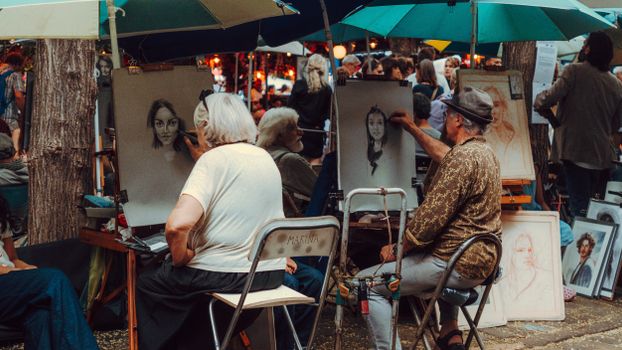
1. $1 With over 175 juried arts and crafts vendors, the festival is a showcase for regional creativity. Photograph craftspeople demonstrating their skills—potters at the wheel, woodcarvers, fiber artists weaving. Capture their hands in motion, the textures of materials, and the pride in their faces. Always ask permission before photographing up close. 2. $1 Coupeville’s identity is inseparable from the sea. Don’t miss the colorful sailboats, classic wooden boats, and the iconic red wharf. The Penn Cove Water Festival canoe races are a highlight—freeze the action with a fast shutter speed or use panning for dynamic motion blur. Early morning or late afternoon light enhances the water’s blue-green tones. 3. $1 From folk bands to Native American drummers, music brings people together. Aim for candid shots: children dancing, elders clapping, musicians lost in their art. Frame your photos to include both performers and audience for a sense of place. 4. $1 Every festival has its flavor, and Coupeville is famous for Penn Cove mussels and local berries. Photograph food stands, steaming plates, and the communal tables where strangers become friends. Close-ups of hands passing plates or chefs at work tell a story of shared experience. 5. $1 Look for small moments: a volunteer offering directions, a family sharing laughter, artisans explaining their craft. Documenting these interactions preserves the human side of the festival.The key to authentic festival photography is patience and observation. Linger at a scene, wait for expressions, and anticipate the next beat of the story.
Lighting, Composition, and Timing Tips for Vibrant Festival Photos
Great festival photography is built on three pillars: lighting, composition, and timing. Coupeville’s festival offers a mix of bright seaside daylight, shaded tents, and, as the day turns to evening, the golden glow of sunset. Here’s how to make the most of these conditions:
- $1 The hour after sunrise and before sunset provides soft, warm light perfect for portraits, landscapes, and street scenes. In Coupeville, sunset over Penn Cove is a must-capture moment. - $1 If shooting when the sun is overhead, avoid washed-out colors and harsh shadows by seeking open shade near tents, buildings, or under trees. Use fill flash or a reflector (even a white piece of paper) to brighten faces. - $1 Get low for kids’ eye views or climb a safe vantage point for overhead shots of crowds and parades. Shooting through festival banners, flags, or artisan displays adds depth and context to your images. - $1 Coupeville’s historic streets and the waterfront’s boardwalks are natural compositional aids. Position festival-goers along these lines to draw the viewer’s eye into the scene. - $1 Rather than asking for posed shots, observe and wait for genuine laughter, concentration, or shared joy. Shoot in burst mode to increase your chances of catching the perfect expression.Timing is everything. Arrive early to photograph vendors setting up and the anticipation in the air, or stay late to catch the transition as the festival winds down and locals reclaim the streets.
Respectful Storytelling: Photographing People and Traditions
Photographing at the Coupeville Festival is an act of cultural storytelling. With that comes responsibility—especially when your subjects are people participating in or preserving local traditions. Here’s how to approach your craft with sensitivity:
- $1 If you want to take close-up portraits of artists, performers, or festival-goers, a polite introduction and request go a long way. Most will appreciate your interest and many will share their stories. - $1 Coupeville often includes heritage demonstrations or Native American canoe races. Respect boundaries indicated by organizers, and avoid intrusive flash or aggressive positioning. - $1 Offer to email photos to your subjects or tag them (with consent) on social media. Many artisans and volunteers appreciate having their work documented and shared. - $1 Some booths or events may have “No Photography” signs—respect these requests. Your integrity as a storyteller is as important as your technical skill.Ethical photography deepens your connection to the community and results in more meaningful, memorable images.
Editing and Sharing Your Coupeville Festival Images
Once the festival is over, the real storytelling begins: curating, editing, and sharing your photographs with the world. Here are some practical tips:
- $1 Of the hundreds of photos you may take, select only those that best represent the festival’s spirit. A strong series of 20–30 images tells a richer story than a sprawling, unfocused gallery. - $1 Use editing software (such as Lightroom or Snapseed) to adjust exposure, correct color balance, and crop for stronger composition. Enhance the natural vibrancy of the festival—don’t over-process. - $1 When sharing on social media or in online galleries, include short captions explaining who, what, and where. Mention the Coupeville Festival and tag local organizations or artists (with their permission). - $1 Festivals like Coupeville are rooted in tradition. A printed photo book or a set of prints gifted to a local artisan or festival organizer can deepen your connection and preserve memories for years to come. - $1 If your photos include children or sensitive moments, always seek parental or subject consent before sharing publicly.Your images can inspire others, promote local artists, and contribute to the ongoing story of Coupeville’s rich cultural heritage.
Lasting Impressions: Capturing Local Culture at the Coupeville Festival
Photographing at the Coupeville Festival is a journey into the heart of a close-knit community. With the right preparation, a keen eye, and a respectful approach, you can capture more than just lively scenes—you can preserve the essence of local culture and tradition. Remember that every photograph is part of a larger narrative. By observing, connecting, and sharing thoughtfully, you become not just a witness but a participant in Coupeville’s living story. So pack your camera, embrace curiosity, and let the festival unfold before your lens.