Art has long served as a bridge between people, places, and ideas, making it a powerful vehicle for community development. Whether it’s a mural that brightens a neglected street, a participatory sculpture project that unites neighbors, or a creative workshop that empowers youth, art projects can spark positive change and deepen local connections. But how can someone with a passion for creativity get involved in art projects focused on community development? The answer involves much more than picking up a paintbrush. This guide explores actionable ways to participate, collaborate, and make a real impact through art in your community—no matter your background or experience.
The Power of Art in Community Development
Before diving into how to get involved, it's important to understand why art matters in community development. Art is more than decoration—it is a catalyst for dialogue, empowerment, and transformation. According to Americans for the Arts, over 70% of U.S. communities report increased community engagement and a sense of belonging through public art projects. Globally, UNESCO recognizes cultural initiatives as a key pillar of sustainable urban development.
Community art projects can:
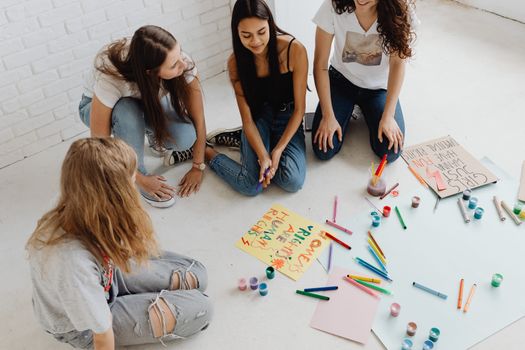
- Revitalize public spaces, reducing crime by up to 30% according to a 2021 University of Pennsylvania study on mural projects. - Foster cross-cultural understanding, especially in diverse neighborhoods. - Offer healing and resilience after community trauma. - Provide skills training and employment, particularly for youth and marginalized groups.Art initiatives can take many forms—from neighborhood murals and collaborative installations to art therapy sessions, pop-up galleries, and citywide festivals. Each project type offers unique opportunities for involvement.
.png)
Identifying Your Role and Contribution
Getting involved doesn’t always mean being the artist. Community art projects thrive on a range of skills and interests. Consider the following possible roles:
- Artist/Creator: Conceptualize and create art, lead workshops, or mentor others. - Organizer: Plan logistics, coordinate events, manage budgets. - Volunteer: Assist with hands-on activities, outreach, or installation. - Promoter: Handle social media, documentation, or press coverage. - Fundraiser: Secure resources, write grant proposals, or organize crowdfunding. - Community Liaison: Build connections with local residents and stakeholders.A 2022 survey by the National Endowment for the Arts found that 56% of participants in community art projects were involved in non-creative roles, such as organizing or outreach. Your contribution is valuable, whether you’re painting a wall, designing a flyer, or simply spreading the word.
Where to Find Community Art Projects
Locating opportunities is often the biggest hurdle. Here are some proven pathways to discover art projects in your area:
- Local Arts Councils and Nonprofits: Organizations like the Arts & Humanities Council or local chapters of Creative Placemaking groups often list ongoing community projects and calls for volunteers. - Public Libraries and Community Centers: Many host regular art workshops, mural projects, or collaborative installations. - Universities and Art Schools: Student-led initiatives frequently seek community collaboration, and many art schools host public events. - City Government: Departments of Parks & Recreation or Cultural Affairs often commission public art and seek community input. - Online Platforms: Websites like VolunteerMatch, Eventbrite, and local Facebook groups list community art events and projects.Don’t hesitate to reach out directly to project leaders or organizations. Express your interest and ask how you can help—they are often eager for new hands and fresh perspectives.
Getting Started: Steps to Meaningful Involvement
Once you’ve found a project or organization that excites you, consider these steps to ensure your involvement is meaningful and impactful:
1. $1 Start by participating as an audience member or observer. This helps you understand the project’s goals, the people involved, and the community context. 2. $1 Introduce yourself to organizers and regular participants. Community art is built on trust and collaboration. Listen, ask questions, and show genuine interest. 3. $1 Identify what you can uniquely contribute. Are you good at logistics, social media, or painting? Let organizers know your strengths. 4. $1 Even a few hours a month can make a difference. Reliability is highly valued in community projects. 5. $1 Successful projects center the needs, stories, and perspectives of local residents. Avoid imposing your own ideas; instead, support and uplift community-led visions. 6. $1 Take photos, keep a journal, or help with project documentation. This not only creates a record of impact but can inspire future initiatives.Funding and Supporting Community Art Projects
Financial resources are essential for most art initiatives. Even if you’re not an artist, you can play a vital role in sustaining community art by helping secure funding or support.
Major funding sources include:
- Local and national arts grants (e.g., National Endowment for the Arts, local foundations) - Crowdfunding platforms like GoFundMe or Kickstarter - Business sponsorships and in-kind donations - City or county cultural development fundsA comparative overview of common funding sources:
| Funding Source | Typical Amount | Application Process | Best For |
|---|---|---|---|
| Local Arts Grants | $1,000 - $10,000 | Written proposal, committee review | Nonprofits, established projects |
| Crowdfunding | $500 - $20,000 | Online campaign, public donations | Grassroots, small projects |
| Business Sponsorship | $500 - $5,000 (plus in-kind) | Direct outreach, proposal or pitch | Projects with local business relevance |
| City/County Funds | $2,000 - $15,000 | Formal application, public benefit required | Public installations, city events |
If you’re interested in the funding side, learn the basics of grant writing or crowdfunding. Resources like GrantSpace and the Foundation Center offer free tutorials and templates. Even helping draft a simple fundraising letter can make a huge difference to a project’s success.
Building Long-Term Impact Through Art
Sustainable community art projects go beyond one-time events. If you want to deepen your involvement, consider these strategies for lasting impact:
- $1 Share your experience with newcomers, helping to build leadership and continuity. - $1 Help organize post-project reflection sessions or community celebrations. According to the Knight Foundation, projects that celebrate milestones see 40% higher retention of volunteers. - $1 Attend city council meetings or advocate for policies that support community arts funding and public space activation. - $1 Collaborate with local schools, health centers, or environmental groups to amplify impact and reach new audiences.Sustained engagement ensures that community art projects not only beautify a space but also foster ongoing social, economic, and cultural benefits.
Success Stories: Real-World Examples
Looking for inspiration? Here are a few standout examples of community art projects that have made a measurable difference:
- $1 Since its founding, this project has created over 4,000 murals and provided art education to 25,000 youth, helping reduce neighborhood blight and increase civic pride. - $1 Transforming vacant lots into open-air art installations, this project has attracted over 275,000 visitors annually and sparked new local businesses in its neighborhood. - $1 By connecting artists with local councils, this initiative has facilitated over 2,000 legal murals, reducing illegal graffiti by 35% in participating districts.These examples show that sustained community art initiatives can lead to increased tourism, economic revitalization, and a stronger sense of belonging among residents.
Joining the Movement: Your Next Steps in Community Art
Getting involved in art projects focused on community development is not reserved for professional artists or experienced organizers. Every person—regardless of age, background, or skill set—can play a role. Start by exploring local resources, reaching out to organizations, and offering your unique skills. By participating in or supporting community art, you join a movement that builds bridges, revitalizes neighborhoods, and empowers people through creativity.
Whether your contribution is large or small, your involvement can leave a lasting mark—on a street corner, in a neighborhood, or in the lives of the people around you. The key is to take that first step, connect with others, and create together for the greater good.