Photography is often celebrated for its artistic value, but its true power extends far beyond aesthetics. Around the globe, individuals and organizations are harnessing photography as a catalyst for positive social impact, driving awareness, understanding, and tangible change on issues both local and global. From highlighting human rights abuses to empowering marginalized communities, photography has become a frontline tool for social advocacy and inspiration. In this article, we’ll explore how creative professionals, activists, and everyday people use photography to shape a better world, sharing compelling stories, real-world examples, and the unique ways images can foster empathy and action.
The Transformative Power of Images in Social Change
Photographs have the remarkable ability to transcend language and cultural barriers, making them especially effective in driving social change. According to a 2023 study by the World Press Photo Foundation, impactful photojournalism increases public engagement with social issues by as much as 120% compared to text-only reports. A single image, such as Nick Ut’s iconic “Napalm Girl” from the Vietnam War, can galvanize global movements and alter public opinion almost overnight.
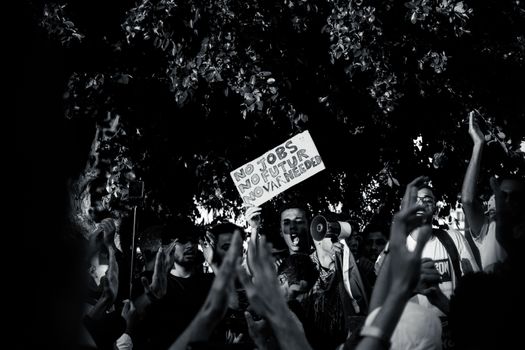
Photographers working for non-profits, NGOs, and advocacy groups utilize visual storytelling to document injustice, poverty, environmental degradation, and resilience. By capturing the realities faced by vulnerable populations, these images urge viewers to empathize, donate, protest, or volunteer. The accessibility of smartphones and digital platforms further democratizes this process, allowing anyone to contribute to the visual narrative of social change.
.png)
Real-Life Stories: Photographers Making a Difference
Around the world, countless photographers dedicate their craft to causes that matter. Let’s spotlight a few whose work has had measurable impact:
1. $1: After losing both legs and an arm while photographing in Afghanistan, Duley shifted his lens to focus on the long-term effects of war on civilians. His series “Legacy of War” has raised over $1 million for survivors and influenced humanitarian policy. 2. $1: A South African visual activist, Muholi’s portraits of the LGBTQ+ community challenge homophobia and document resilience. Their work has been exhibited internationally, altering perceptions and supporting anti-discrimination campaigns in Africa. 3. $1: Specializing in humanitarian photography, Havens collaborates with organizations like Charity: Water. Her photos have helped raise awareness and funds for clean water initiatives, directly impacting the lives of over 20,000 people.These examples illustrate that photography is not just about documenting reality but actively shaping it. By putting a human face to statistics, photographers inspire empathy and encourage action.
How Community-Based Photography Projects Empower Voices
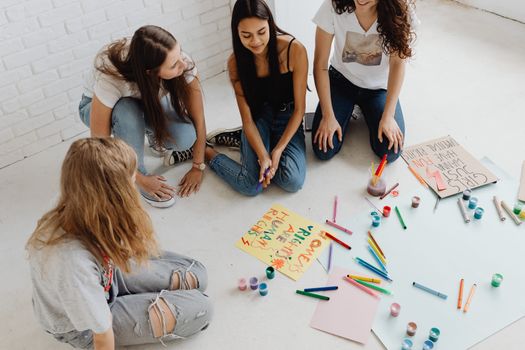
Community photography projects invite people to tell their own stories, shifting the lens from “subject” to “storyteller.” This participatory approach is gaining momentum as a tool for empowerment, especially among marginalized groups.
Programs like “PhotoVoice” facilitate workshops where participants—ranging from refugees to at-risk youth—learn to use cameras to document their experiences. These projects provide a platform for self-expression and advocacy. For example, PhotoVoice’s “Young Voices” project in the UK enabled teenagers in foster care to share their perspectives, influencing local government policy on child welfare.
Data from the International Visual Sociology Association shows that 73% of participants in community photography projects report increased confidence and a stronger sense of identity. Moreover, exhibitions of their work often attract local media, policymakers, and the public, fostering dialogue and understanding.
Photography and Environmental Advocacy: Changing Perspectives
Environmental issues are complex and often invisible until visualized. Photography plays a crucial role in translating data and scientific findings into compelling narratives that resonate emotionally.
Notable campaigns include the work of Paul Nicklen, a National Geographic photographer whose images of melting ice caps and endangered wildlife have reached millions. According to the Pew Research Center, 68% of viewers say that environmental photographs influence their attitude toward conservation.
Grassroots projects also use photography to document environmental degradation, such as community-led “photo walks” in deforested regions or polluted neighborhoods. These images often become evidence in advocacy campaigns, grant proposals, and media outreach, helping to secure funding and policy change.
Comparing Social Impact: Photography vs. Other Visual Media
While photography stands out as a tool for social impact, it exists alongside other visual media like video, painting, and digital illustration. Each medium has unique strengths and limitations. The table below compares their effectiveness in key areas:
| Medium | Accessibility | Speed of Impact | Emotional Resonance | Cost to Produce |
|---|---|---|---|---|
| Photography | High (smartphones, cameras widely available) | Immediate (instant sharing, viral potential) | Very High (captures real moments) | Low to moderate |
| Video | Moderate (requires editing, equipment) | Moderate (longer to watch, more context) | High (audio + visuals) | Moderate to high |
| Painting/Illustration | Moderate (skill-based, time-consuming) | Slow (often needs explanation) | Moderate (interpretive, subjective) | Moderate to high |
| Digital Graphics/Infographics | High (design tools accessible) | Fast (quick to absorb data) | Moderate (less emotional, more factual) | Low to moderate |
Photography’s immediacy and authenticity make it particularly effective for advocacy and awareness campaigns, especially in today’s fast-paced digital environment.
Harnessing Social Media: Amplifying Impact Through Connectivity
The rise of social media platforms like Instagram, Facebook, and Twitter has revolutionized the way photographic content is shared and consumed. Social media enables rapid dissemination of images, reaching audiences in real time across continents.
A 2022 survey by the Visual Social Impact Lab found that posts featuring impactful photographs generate 3 times more shares and 2.5 times more engagement than text-only posts on major social platforms. Hashtag movements such as #MeToo and #BlackLivesMatter have relied heavily on photographic storytelling to mobilize millions and create global conversations.
Photographers and activists now leverage algorithms, viral trends, and targeted campaigns to ensure their images are seen by decision-makers and supporters alike. Crowdsourced photography, where individuals contribute images from their own communities, adds authenticity and scale to social impact campaigns.
Challenges and Ethical Considerations in Social Impact Photography
While photography can be a force for good, it also raises critical ethical questions. Photographers must balance storytelling with respect for privacy, dignity, and consent—especially when working with vulnerable groups.
Misrepresentation and exploitation are significant risks. For instance, “poverty porn,” the sensationalized depiction of suffering, can reinforce stereotypes rather than promote understanding. Responsible photographers adhere to guidelines such as obtaining informed consent and collaborating with subjects to ensure accurate and respectful representation.
Organizations like the National Press Photographers Association (NPPA) have established codes of ethics, and many social impact photographers receive training in trauma-informed practices. In addition, the growing movement toward participatory photography shifts control from “outsiders” to the communities themselves, promoting agency and reducing harm.
Final Thoughts: Inspiring Change Through the Lens
Photography remains one of the most accessible and powerful tools for creating positive social impact. Whether through the work of renowned professionals or grassroots community projects, the camera continues to amplify voices, challenge injustice, and inspire action. As technology evolves and access widens, the potential for photography to shape a better world grows. By combining visual storytelling with ethical practice and strategic advocacy, anyone with a camera can contribute to meaningful change.