Planning and organizing an art festival is a vibrant, challenging journey that can transform a community, elevate artists, and create lasting cultural impact. As public interest in the arts continues to rise, with over 32,000 art festivals held annually in the United States alone, the need for smart, effective festival planning is more pressing than ever. Whether you are a first-time organizer or looking to elevate your existing event, mastering the essential steps of art festival organization can set your festival apart, ensuring both creative excellence and smooth execution.
Setting the Vision: Defining Goals and Themes for Your Art Festival
The first—and perhaps most crucial—step in planning an art festival is to clearly define your vision. Every successful festival starts with a purpose. Are you aiming to celebrate local talent, spotlight a particular art form, foster community engagement, or raise funds for a cause? According to a 2023 survey by Americans for the Arts, festivals with a clear mission see 23% higher attendee satisfaction rates than those without.
Next, select a compelling theme or focus. This could range from contemporary sculpture to multicultural arts, eco-friendly installations, or interactive digital experiences. Your theme should resonate with your target audience, inspire participating artists, and align with your community’s identity or aspirations. A strong theme not only unifies the event but also guides marketing, artist selection, and programming decisions.
.png)
Finally, establish measurable goals. These might include targeted attendance numbers, desired media coverage, fundraising amounts, or community involvement metrics. By setting specific targets, you will be able to measure your festival’s success and identify areas for future improvement.
Securing Resources: Budgeting and Fundraising Strategies
Art festivals require a blend of creativity and financial savvy. A realistic budget is the backbone of your planning process, impacting every aspect from venue selection to artist compensation and marketing. Begin by outlining all potential costs, including:
- Venue rental and permits - Artist fees and stipends - Equipment and materials - Security, insurance, and sanitation - Marketing and promotional expenses - Staff and volunteer provisionsOnce you have a draft budget, identify revenue streams. These may include ticket sales, vendor fees, sponsorships, grants, and crowdfunding. According to the National Endowment for the Arts, 62% of art festivals in the U.S. rely on a mix of public and private funding, making diverse income sources critical.
Effective fundraising is about building relationships. Reach out early to potential sponsors—local businesses, arts councils, and community organizations—highlighting the benefits of partnership, such as brand visibility and community goodwill. Consider offering tiered sponsorship packages or naming rights for key festival elements. Don’t overlook grant opportunities; many arts foundations offer funding specifically for public festivals and cultural events.
Building the Team: Roles, Volunteers, and Communication
Behind every memorable art festival stands a dedicated, well-organized team. Start by identifying key roles and responsibilities, which may include:
- Festival Director/Project Manager: Oversees all aspects, from planning to execution. - Artistic Director: Curates the festival’s creative content and artist selection. - Operations Manager: Handles logistics, venue setup, permits, and safety. - Marketing Coordinator: Manages publicity, social media, and community outreach. - Volunteer Coordinator: Recruits, trains, and schedules volunteers.Recruiting passionate volunteers can elevate your festival experience and stretch your budget. In fact, data from VolunteerMatch indicates that over 70% of art festivals rely on volunteers for successful event delivery. Offer clear job descriptions, training sessions, and incentives such as free passes, merchandise, or behind-the-scenes access.
Effective communication is vital. Use project management tools like Trello or Asana to track tasks and deadlines. Hold regular team meetings—virtual or in-person—to address challenges, celebrate milestones, and keep everyone aligned.
Curating Artistic Content and Engaging the Community
Your festival’s heart lies in its artistic content. The selection process should reflect your event’s vision and ensure diversity, quality, and engagement. Consider hosting an open call for artists, using a jury panel for selection, or inviting featured artists who align with your theme.
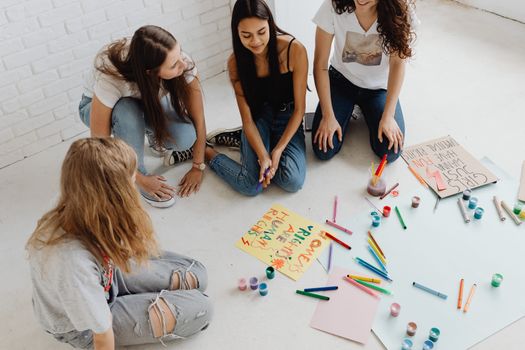
Interactive and participatory experiences are increasingly popular. According to Eventbrite, festivals with hands-on workshops, live demonstrations, or collaborative art projects see up to 30% higher attendee engagement. Think mural painting, community sculptures, or digital art labs.
Don’t forget to involve your local community. Collaborate with schools, cultural organizations, and neighborhood groups. Offer outreach programs—such as youth art contests or free public lectures—to broaden participation and foster goodwill.
Logistics, Safety, and Accessibility: Ensuring a Seamless Experience
No matter how exciting your programming, logistical challenges can undermine festival success. Careful, proactive planning in this area is essential for smooth operations and positive attendee experiences.
Key logistical considerations include:
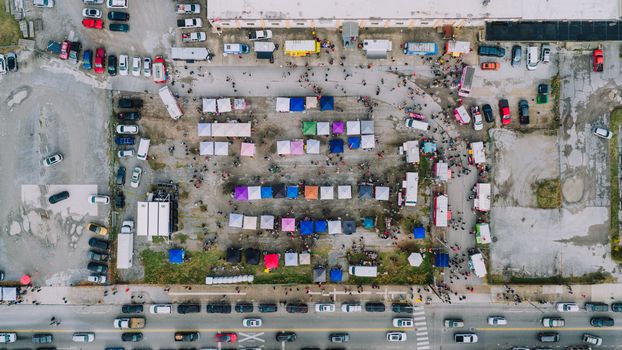
- Permits and insurance: Secure all necessary city permits and liability coverage. - Venue layout: Design clear maps for stages, galleries, food vendors, restrooms, and emergency exits. - Crowd management: Plan entry/exit points, signage, and wayfinding for efficient flow. - Accessibility: Ensure the site is navigable for people with disabilities; provide accessible restrooms, ramps, and seating. - Safety and security: Coordinate with local police, hire security staff, and develop emergency plans for weather or health incidents. - Sanitation: Arrange for adequate waste disposal and recycling.Environmental sustainability is increasingly important. Over 64% of festival-goers in a 2022 Nielsen survey said they prefer events with green policies. Make recycling bins available, encourage reusable materials, and partner with local eco-friendly vendors.
Marketing, Partnerships, and Measuring Success
Your festival’s impact depends on effective outreach. Develop a marketing plan that leverages digital and traditional channels. Key tactics include:
- Social media campaigns (Instagram, Facebook, TikTok) - Festival website with artist profiles and schedules - Email newsletters and community bulletins - Press releases and local media partnerships - Strategic use of hashtags and influencer partnershipsCollaborate with local businesses for cross-promotion—restaurants, hotels, and retailers often benefit from increased festival traffic. According to Americans for the Arts, art festivals boost local economies by an average of $35 per visitor in ancillary spending.
After the festival, evaluate your success. Use tools such as attendee surveys, ticket sales data, and press coverage to assess your goals. The table below compares key performance indicators (KPIs) that successful festivals often track:
| KPI | Description | Example Target |
|---|---|---|
| Attendance | Total number of festival-goers | 5,000+ attendees |
| Artist Participation | Number of exhibiting artists | 50+ artists |
| Community Engagement | Workshops, outreach events | 10+ community programs |
| Media Coverage | Press mentions, articles | 15+ media features |
| Revenue | Total funds raised (tickets, sponsors) | $25,000+ |
Analyze what worked, what didn’t, and gather feedback from artists, attendees, and partners. This information is invaluable for refining your approach and growing your festival year after year.
Final Thoughts on Planning and Organizing Art Festivals
Organizing an art festival is a rewarding endeavor that brings together artists, audiences, and communities in celebration of creativity. By setting a clear vision, securing necessary resources, building a strong team, curating engaging content, and ensuring seamless logistics, you lay the groundwork for a successful event. Remember, the most memorable festivals are those that balance artistic innovation with thoughtful planning and community engagement.
With each festival, you have the opportunity to foster cultural enrichment, support artists, and contribute to your local economy. Thorough planning and open communication can turn challenges into opportunities and transform your vision into a vibrant, impactful reality.