Photography as a Tool for Building Intercultural Relationships in the Community
In today’s interconnected world, communities are becoming increasingly diverse. Across cities and rural areas alike, people from different cultural backgrounds live, work, and learn side by side. Yet, true intercultural understanding often remains elusive, limited by language barriers, stereotypes, and a lack of opportunities for meaningful exchange. In this context, photography stands out as a uniquely powerful tool to bridge divides and cultivate genuine relationships. Far more than a medium for artistic expression, photography can be a catalyst for dialogue, empathy, and connection among cultures within a community.
How Photography Breaks Down Cultural Barriers
Photography transcends spoken language, making it an accessible means for people from different backgrounds to communicate. A photograph captures a moment, an emotion, or a slice of daily life that can be instantly understood, regardless of the viewer’s native tongue. This universal visual language is a major factor in photography’s ability to foster intercultural bonds.
Research by the Pew Research Center in 2021 found that 82% of adults worldwide believe photography helps them better understand people from other cultures. Community-based photography projects have repeatedly shown that when residents are invited to share their own stories through images, walls of misunderstanding are often replaced by curiosity and respect.
.png)
One notable example is the "Humans of New York" project. By photographing and sharing short stories of people from all walks of life in New York City, the project has amassed over 20 million followers and inspired similar initiatives worldwide. These visual stories allow viewers to step into the shoes of others, promoting empathy and highlighting the rich tapestry of cultures within a single city.
Community Photography Projects: Empowering Diverse Voices
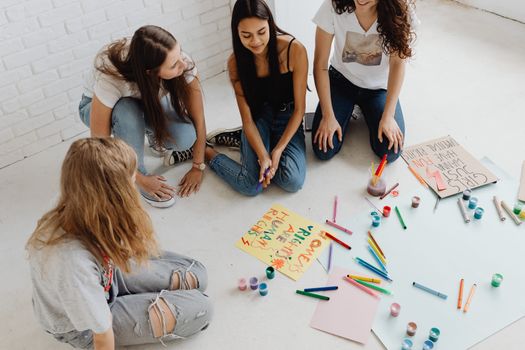
When communities intentionally use photography to bring people together, they create platforms that empower individuals to share their perspectives. Projects such as participatory photography workshops or intercultural photo walks encourage participants from different backgrounds to document their lives and traditions. This process not only validates diverse experiences but also provides a space for dialogue and collaboration.
For example, in Toronto, the “Neighbourhoods in Focus” initiative brought together newcomers and long-time residents to photograph their neighborhoods and share their stories. The resulting images were displayed in public exhibitions, sparking conversations around migration, identity, and belonging. Surveys conducted after the project revealed that 78% of attendees reported a greater appreciation for the cultural diversity in their area, and 63% felt more comfortable interacting with neighbors of different backgrounds.
Such projects can be especially impactful for youth. Programs targeting young people from immigrant families or minority backgrounds have shown increased confidence and a stronger sense of belonging when participants are given cameras and a platform to express their experiences.
Visual Storytelling: Building Empathy and Understanding
Visual storytelling through photography allows communities to move beyond surface-level interactions. By focusing on lived experiences, daily routines, celebrations, and challenges, photographers can highlight both the uniqueness and the shared humanity among community members.
A study conducted by the University of Manchester in 2019 analyzed the effects of community photo exhibitions on intercultural attitudes. The study found that viewers who engaged with photo stories depicting the lives of minority groups were 62% more likely to express empathy and openness towards those cultures. This demonstrates the potential for photography not only to inform but to transform attitudes.
Moreover, collaborative photo projects often lead to the formation of new friendships and partnerships. When participants work together to curate exhibitions or create photo books, they must listen to and value one another’s perspectives, naturally building trust and understanding.
Comparing Photography to Other Intercultural Engagement Methods
While there are many ways to foster intercultural relationships—such as language exchanges, cultural festivals, and joint community service—photography offers distinctive advantages. The table below highlights some key comparisons:
| Method | Accessibility | Depth of Engagement | Emotional Impact | Potential for Ongoing Dialogue |
|---|---|---|---|---|
| Photography Projects | High (minimal language required) | Deep (personal stories, shared perspectives) | Very High (visual/emotional connection) | Strong (photo exhibitions, online sharing) |
| Language Exchanges | Medium (requires shared language) | Moderate (conversational) | Medium (personal, but limited by language) | Medium (requires ongoing meetings) |
| Cultural Festivals | High (open to all) | Surface-level (celebratory, less personal) | High (immersive, but fleeting) | Low (annual or occasional events) |
| Community Service | High (inclusive) | Moderate (shared goals, less focus on culture) | Medium (bonding through action) | Medium (project-dependent) |
This comparison highlights photography’s unique ability to engage participants on a deep emotional level and to spark ongoing discussions—a key ingredient for building lasting intercultural relationships.
Technology’s Role: Digital Platforms and Global Connections
The rise of smartphones and social media has made photography more accessible than ever. Today, nearly 85% of people in developed countries own a smartphone with a camera, according to Statista’s 2023 report. Digital platforms like Instagram, Flickr, and local community websites allow residents to share images instantly, reach broader audiences, and connect with people from vastly different backgrounds.
Online photo contests and collaborative projects can unite communities across borders. For instance, the “Through Each Other’s Eyes” program has facilitated photo exchanges between students in Phoenix, Arizona, and various international cities since 1988. Participants photograph their daily lives and share them with their counterparts abroad, sparking conversations about cultural differences and similarities.
Locally, neighborhood Facebook groups or WhatsApp communities often feature photo challenges that encourage residents to showcase cultural events, traditional foods, or unique customs. These initiatives foster pride in one’s heritage and increase awareness of the cultural richness present in the community.
Challenges and Best Practices for Inclusive Photography Projects
While photography has great potential to build intercultural relationships, it’s important to approach such projects thoughtfully. Challenges can include unequal access to equipment, cultural sensitivities regarding image-making, and the risk of reinforcing stereotypes.
To maximize inclusivity and impact, organizers should:
- Ensure access to cameras or smartphones for all participants, possibly through lending programs or partnerships with local organizations. - Offer basic training in photography and visual storytelling, making the activity accessible to all skill levels. - Engage community leaders from different cultural backgrounds to guide respectful image-making and consent practices. - Encourage participants to provide context for their photos—through captions, interviews, or group discussions—so stories are not misunderstood or oversimplified. - Avoid tokenism by ensuring that projects are collaborative and allow for genuine exchange, rather than simply documenting “the other.”When implemented with care, these practices help create safe spaces where everyone’s story is valued and where learning is mutual.
Final Reflections: The Lasting Impact of Photography on Intercultural Community Bonds
Photography, when harnessed with intention and inclusivity, offers a dynamic way to build bridges across cultures within communities. Its universal language, emotional resonance, and capacity for storytelling make it uniquely suited to breaking down barriers and promoting understanding. From participatory projects and public exhibitions to digital sharing and youth engagement, photography unlocks avenues for dialogue that words alone cannot always reach.
With the world’s cultural landscape continually evolving, communities that embrace photography as a tool for intercultural relationship-building position themselves for greater harmony, creativity, and resilience. As more people pick up cameras to document their lives and share their perspectives, the tapestry of community life becomes richer—and the connections between its diverse threads grow ever stronger.