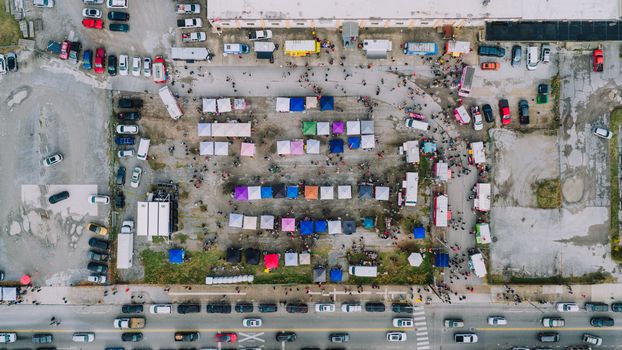
Photography Projects: Capturing Community Stories
Photography is much more than simply taking beautiful pictures; it’s a powerful tool for storytelling, especially when it comes to communities. Across the globe, photographers are using their lenses to document everyday lives, highlight social issues, and celebrate the diversity and resilience of people. Capturing community stories through photography projects not only preserves memories but also strengthens social bonds, builds empathy, and can even inspire positive change. In this article, we’ll explore how photography projects uniquely illuminate the spirit of communities, examine successful approaches, and provide guidance for those eager to embark on their own projects.
The Power of Visual Storytelling in Community Life
Visual storytelling is a universal language. A single photograph can communicate emotion, context, and history in a way that words alone often cannot. According to a 2021 Visual Storytelling Institute survey, 80% of people reported feeling more connected to a story when it was accompanied by compelling visuals. In community-based photography projects, this emotional resonance can be transformative.
Such projects often document local traditions, daily routines, and key events, providing a window into lives that might otherwise be overlooked. For example, the "Humans of New York" project, started in 2010 by Brandon Stanton, has published over 12,000 portraits and stories, amassing more than 17 million followers on Facebook. This project demonstrates how photographs and brief narratives can foster understanding and empathy across cultural divides.
.png)
Photography also plays a vital role in archiving local history. The U.S. Library of Congress, for instance, holds over 14 million photographs, many of which chronicle the growth, challenges, and celebrations of American communities. These collections serve as invaluable resources for future generations, researchers, and civic planners.
Types of Community Photography Projects
Community photography projects can take many forms, each with its own goals and methods. Here are some of the most impactful types:
1. Documentary Projects: These focus on recording real-life events, often with an aim to highlight social issues or celebrate resilience. The "Everyday Africa" project, started in 2012, counteracts stereotypes by showing the normal, daily life of Africans, challenging prevailing media narratives. 2. Participatory Photography: Also known as "photovoice," this approach empowers community members to take their own photos to express their experiences. For example, the "Shoebox Project" in Toronto gave cameras to women experiencing homelessness to document their daily lives, resulting in a traveling exhibition that raised awareness and funds. 3. Archival and Heritage Projects: These initiatives collect and preserve images from the past, often crowdsourcing old photographs from residents. The "East End Archive" in London collected thousands of photos from residents to document the changing face of the neighborhood. 4. Event-Focused Series: Some projects revolve around specific events—festivals, parades, or local milestones—to create a record of communal celebration and unity. 5. Intergenerational Storytelling: Projects that pair elders with youth, allowing them to share and document stories across generations, help bridge age gaps and keep traditions alive.Key Steps to Launching a Community Photography Project
Embarking on a community photography project requires more than a camera and a good eye. Here’s how to ensure your project is impactful and respectful:
1. Define the Purpose: Clearly articulate the project’s goal. Are you documenting a neighborhood’s transformation, giving voice to marginalized groups, or celebrating cultural diversity? 2. Collaborate with the Community: Involve community members from the outset. This fosters trust and ensures the project reflects authentic experiences. Holding open forums or workshops can help gather input and participants. 3. Obtain Permissions and Practice Ethical Photography: Always ask for consent before taking and sharing photos. Discuss how images will be used, and respect people’s privacy and wishes. 4. Create a Platform for Sharing: Decide how the photos will be shared—online galleries, exhibitions, photobooks, or public installations. Accessibility is key; consider venues that are easily reachable by community members. 5. Document Context and Stories: Pair photos with captions, quotes, or interviews. This adds depth and meaning, transforming images from snapshots to narratives.Case Studies: Community Photography Projects Making a Difference
Around the world, many photography projects have had a significant impact on their communities. Let’s look at a few examples:
- "100 Cameras" is a nonprofit that equips youth in marginalized communities with cameras and visual storytelling training. Since 2008, they have worked in over 30 countries, with students’ photos generating funds for community projects. - The "Lens on Life Project" brings photography education to refugee youth in countries like Syria and the Democratic Republic of the Congo. In one project, over 200 students created visual essays about their lives, which were exhibited internationally to raise awareness and support. - In Detroit, the "Documenting Detroit" fellowship supports local photographers in capturing the city’s complex narratives. Since 2015, more than 70 photographers have participated, resulting in exhibitions and a growing digital archive.These projects demonstrate that photography can be a catalyst for personal growth, cross-cultural understanding, and social change.
Comparing Approaches: Participatory vs. Traditional Documentary Photography
Different approaches to community photography have their own strengths and challenges. Here’s a comparison:
| Aspect | Participatory Photography | Traditional Documentary Photography |
|---|---|---|
| Who Takes Photos? | Community members themselves | Professional photographer or outsider |
| Main Goal | Empowerment, self-expression, insider perspective | Awareness, storytelling, outsider perspective |
| Ethical Considerations | High engagement and consent; images often co-owned | Consent required; risk of outsider bias |
| Strengths | Authenticity, community buy-in, diverse viewpoints | Technical quality, cohesive narrative, broader reach |
| Challenges | Variable technical quality, requires training | Risk of misrepresentation, less community involvement |
Both approaches have their place, and some projects combine elements from each to maximize impact.
Technological Innovations Transforming Community Photography
Technology has made it easier than ever to launch and share community photography projects. According to the Pew Research Center, 85% of Americans owned a smartphone as of 2022, making high-quality cameras widely accessible. This democratization of technology enables more people to document their communities.
Key innovations include:
- Social Media Platforms: Instagram, Facebook, and community-specific apps like Nextdoor make it simple to share and discuss local images. - Cloud Storage and Online Galleries: Platforms like Flickr and Google Photos allow community archives to be safely stored and easily accessed. - Digital Storytelling Tools: Apps such as StoryMapJS or Exposure.co help combine photos, maps, and narratives into interactive digital stories. - 360-Degree Photography and Drones: These technologies offer new perspectives, literally elevating community stories and enabling virtual tours.One notable example is the "Photovoice" app, which guides users through ethical participatory photography and storytelling, making it accessible even for beginners.
Challenges and Best Practices in Capturing Community Stories
While the rewards of community photography projects are immense, there are also challenges to consider:
- Privacy and Consent: Always prioritize the dignity and wishes of participants. Clear communication and written consent forms help avoid misunderstandings. - Representation: Strive for diverse voices and perspectives. Avoid focusing solely on negative or "exotic" aspects of a community; instead, aim for a balanced and nuanced portrayal. - Funding and Resources: Securing cameras, printing, and exhibition spaces can be costly. Many successful projects partner with nonprofits, local businesses, or crowdfunding platforms. - Sustaining Engagement: Long-term projects may struggle to keep participants motivated. Regular feedback, recognition, and community events can help maintain enthusiasm.Best practices include ongoing communication, transparency, and flexibility. Allow the project to evolve based on community feedback and changing needs.
Preserving and Sharing Community Narratives Through Photography
Photography projects that capture community stories are more than artistic endeavors—they’re acts of preservation, celebration, and empowerment. By documenting the everyday and the extraordinary, these projects build a visual legacy for future generations. They also create opportunities for dialogue, understanding, and social action.
Whether you’re a professional photographer, an enthusiastic amateur, or a community organizer, embarking on a photography project can be a deeply rewarding way to connect with others and contribute to collective memory. With thoughtful planning, ethical practices, and a commitment to authentic storytelling, your lens can help shape how communities see themselves—and how the world sees them.