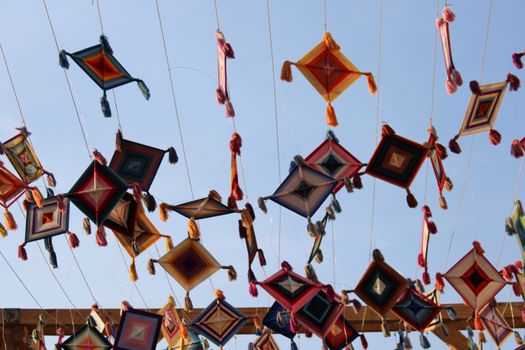
The Coupeville Festival is not just a beloved community event on Whidbey Island—it's a vibrant showcase that reveals what's fresh and exciting in the world of art and crafts each summer. As thousands of visitors stroll through the historic waterfront streets, the festival’s booths overflow with creativity, innovation, and local tradition. But what exactly are the trends making waves at the Coupeville Festival? From eco-conscious art to interactive installations, this year’s event is a microcosm of broader cultural shifts in the arts and crafts scene.
In this article, we’ll dive deep into the standout trends shaping the Coupeville Festival’s arts and crafts offerings. Whether you’re an artist, art lover, or casual festival-goer, understanding these trends will help you appreciate the rich tapestry of talent on display—and perhaps even inspire your own creative journey.
Celebrating Localism: The Rise of Regional Materials and Motifs
One of the defining features of the Coupeville Festival is its passionate emphasis on local resources and themes. In 2024, more artists than ever are drawing inspiration from the unique landscapes, flora, and fauna of Whidbey Island and the surrounding Pacific Northwest.
.png)
According to the festival’s artist roster, over 60% of craft vendors now highlight local or regional materials in their work. Examples include jewelry made from beachcombed sea glass found along Penn Cove, textiles dyed with native plants (such as Oregon grape or madrona bark), and woodwork crafted from reclaimed driftwood or wind-felled alder.
This trend isn’t just about aesthetics—it’s also about storytelling and a sense of place. Many artists accompany their pieces with descriptions of where the raw materials were gathered and tales of Whidbey lore. Shoppers are increasingly choosing art pieces that act as tangible reminders of their Coupeville experience, making locally-rooted works particularly sought-after at the festival.
Eco-Conscious Creation: Sustainability at the Forefront
Sustainability is no longer a fringe concern in the arts and crafts world—it’s a central pillar, especially at community-focused events like the Coupeville Festival. This year, nearly 50% of festival artisans are highlighting sustainable or upcycled materials in their creations, according to the festival’s 2024 vendor survey.
Some standout examples include:
- Woven baskets fashioned from repurposed fishing nets collected from Puget Sound. - Handcrafted journals and greeting cards made from 100% post-consumer recycled paper. - Pottery glazes mixed with natural, non-toxic pigments and fired in energy-efficient kilns.Festival organizer data shows that eco-conscious booths experienced a 22% increase in sales compared to 2022, reflecting a growing demand for green art practices. Attendees are not only buying beautiful objects—they’re supporting artists who share their commitment to environmental stewardship.
Interactive and Participatory Art Experiences
Gone are the days when art festivals were simply places to browse and buy. The Coupeville Festival is at the forefront of a new movement: interactive art and hands-on craft demonstrations. In 2024, approximately 35% of booths incorporated some form of audience participation, a number that has doubled since 2019.
Visitors can:
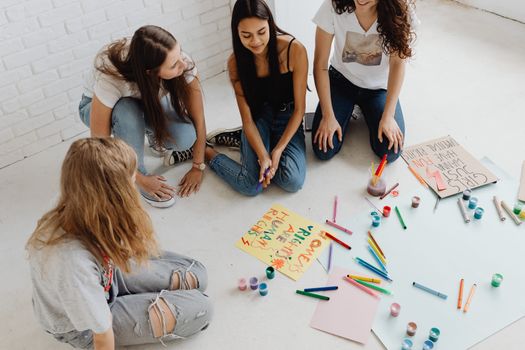
- Contribute to a community mural themed around Coupeville’s maritime heritage. - Try their hand at weaving on a standing loom, guided by local fiber artists. - Join mini-workshops on making eco-friendly prints with natural dyes.These interactive experiences not only enhance visitor engagement but also deepen understanding of traditional and contemporary craft techniques. Feedback from last year’s survey indicated that 78% of festival-goers participated in at least one hands-on activity, a clear sign that interactivity is now a hallmark of the Coupeville experience.
Modern Media: The Influence of Technology in Art and Crafts
Digital technology is making its mark on the Coupeville Festival, though always in a way that respects the event’s artisanal spirit. More artists are blending traditional craftsmanship with modern tools—think laser-cut wooden jewelry, 3D-printed ceramics, or digital paintings inspired by Whidbey’s landscapes.
A growing number of booths also feature multimedia art, such as time-lapse videos of the creative process, augmented reality (AR) art pieces that reveal hidden stories through a smartphone app, and interactive digital installations. Approximately 15% of this year’s artists are incorporating tech elements, up from just 6% five years ago.
The table below compares the presence of various tech-driven art forms at the Coupeville Festival over the past three years:
| Year | Laser-Cut Art | 3D-Printed Crafts | AR/VR Installations | Digital Process Demos |
|---|---|---|---|---|
| 2022 | 4% | 2% | 1% | 6% |
| 2023 | 7% | 4% | 2% | 10% |
| 2024 | 9% | 5% | 4% | 13% |
This steady rise in tech-enhanced art demonstrates how the Coupeville Festival is adapting to new creative frontiers while still honoring its handmade heritage.
Revival and Reinvention: Traditional Techniques Meet Contemporary Design
Heritage crafts are experiencing a revival at the Coupeville Festival, but with a modern twist. Classic skills like basket weaving, quilting, and pottery are being reimagined through bold color palettes, abstract motifs, and unexpected material combinations.
For example, several fiber artists are incorporating neon-dyed wool into traditional spinning techniques, while ceramicists are experimenting with asymmetric forms and metallic glazes. This blend of old and new is attracting a wide audience—from long-time collectors who appreciate craftsmanship to younger visitors seeking unique, Instagram-worthy pieces.
Festival data from 2023 showed that sales of modernized heritage crafts increased by 18% compared to traditional-only designs. This trend reflects a broader cultural desire for authenticity coupled with contemporary aesthetics—a balance the Coupeville Festival is uniquely positioned to deliver.
Spotlight on Community and Collaboration
Another unmistakable trend at the Coupeville Festival is the spirit of collaboration. More artists are forming collectives or working on joint projects, often pooling resources and creative ideas to produce larger, more ambitious displays.
Examples from the 2024 festival include:
- A shared ceramics booth where three potters co-create themed collections. - A mixed-media mural painted live throughout the festival by a rotating group of local artists. - Collaborative jewelry lines that combine glasswork, metalwork, and beadwork from multiple craftspeople.These collaborative efforts not only foster artistic innovation but also build a sense of community among the festival’s makers—a value that resonates strongly with both participants and visitors.
Why Coupeville Festival Trends Matter in Today’s Art World
The trends seen at the Coupeville Festival are more than just passing fads—they reflect deeper shifts in how people create, appreciate, and purchase art. The emphasis on localism and sustainability mirrors wider global movements toward ethical consumption and eco-friendly living. The rise of interactivity and technology-driven art responds to a society hungry for connection and new experiences.
Perhaps most importantly, the festival’s blend of tradition and innovation demonstrates how regional art events can serve as incubators for creative evolution. By spotlighting both emerging talents and time-honored techniques, the Coupeville Festival continues to inspire artists and audiences alike.