Education in the Arts: How You Can Contribute to the Development of Art Education in Your Community
The arts have always played a pivotal role in shaping cultures, inspiring creativity, and fostering emotional intelligence. From painting and music to theater and digital design, art education equips individuals—especially young people—with vital skills for personal growth and professional success. Yet, as budgets tighten and curriculums shift towards standardized testing, art programs are often among the first to face cuts. According to the National Center for Education Statistics, only 57% of public elementary schools in the United States offered visual arts instruction at least once a week in 2022. This statistic reflects a pressing need for community action.
Fortunately, you don’t need to be a professional artist or an educator to make a meaningful difference. Whether you’re a parent, student, local business owner, or simply a concerned citizen, there are numerous ways you can help enrich art education in your neighborhood. In this article, we’ll explore why art education matters, the current state of arts programs, practical ways you can contribute, and inspiring examples of community-driven initiatives that have made real impact.
.png)
The Value of Art Education in Community Development
Art education does far more than teach students how to draw or play an instrument—it helps develop cognitive skills, emotional intelligence, problem-solving abilities, and cultural awareness. A 2019 study published in the journal "Educational Researcher" found that students who participated in arts education programs showed a 13% increase in critical thinking skills and an 8% improvement in empathy compared to their peers.
Communities with robust arts education programs also see broader benefits, including:
- Higher student engagement and attendance rates. - Increased graduation rates (The Arts Education Partnership found schools with arts programs have a graduation rate 5% higher than those without). - Greater community cohesion, as art events and exhibits bring people together. - Economic stimulation, since arts and cultural sectors contribute over $919 billion annually to the U.S. economy, according to the Bureau of Economic Analysis.These compelling benefits highlight why supporting art education is not just about nurturing talent, but also about building stronger, more vibrant communities.
Understanding the Current Gaps in Art Education
Despite its benefits, art education faces significant challenges across many communities. Budget constraints, lack of qualified teachers, and shifting educational priorities mean that many students receive minimal or no exposure to the arts. According to Americans for the Arts, 80% of Americans believe arts education is important, yet only 41% feel their local schools provide sufficient access.
Some common gaps include:
- Insufficient funding for art supplies, instruments, and facilities. - Limited after-school or extracurricular art programs. - Lack of integration between arts and other subjects. - Few opportunities for community engagement or local artist involvement.Below is a comparison table showing the differences in art education access between high-income and low-income districts in the United States:
| Factor | High-Income Districts | Low-Income Districts |
|---|---|---|
| Weekly Art Classes Provided | 78% | 42% |
| Access to Professional Art Teachers | 89% | 56% |
| After-School Art Programs | 64% | 27% |
| Arts Integration in Core Subjects | 55% | 21% |
These disparities highlight the urgent need for local action, especially in underserved areas.
Practical Ways You Can Support Art Education Locally
Contributing to art education doesn’t require formal training or a large budget. Here are actionable steps anyone can take:
1. Volunteer Your Time or Expertise Many schools and community centers welcome volunteers to help with art classes, workshops, or events. Even if you’re not an artist, you can assist with organizing supplies, supervising activities, or helping set up exhibitions. If you have a creative skill—such as photography, graphic design, or crafting—consider offering a workshop or after-school session. 2. Donate Art Supplies or Funds Budgets for art programs are often minimal. Donating supplies—paints, brushes, sketchbooks, musical instruments, or even gently used cameras—can make a big difference. Local businesses can also sponsor art events or provide funding for materials. 3. Advocate for Arts in Schools Attend local school board meetings and voice your support for arts education. Share research and stories about the benefits of the arts. Mobilize parents and community members to petition for restored or increased funding. 4. Organize Community Art Projects Murals, sculpture gardens, or public art installations beautify neighborhoods and provide hands-on learning opportunities. Collaborate with local artists, students, and organizations to plan and execute a project that reflects your community’s identity. 5. Support Local Artists and Art Events Attend gallery openings, theater performances, and craft fairs. Share information about upcoming events on social media or in community newsletters. The more visibility and financial support local artists receive, the more likely they are to engage with educational initiatives. 6. Partner with Local Businesses Encourage businesses to host student art displays, sponsor competitions, or provide internships for aspiring young artists. Local coffee shops, bookstores, and restaurants often welcome student artwork to decorate their walls, providing both exposure and encouragement.Leveraging Technology to Expand Art Education
Technology has opened new possibilities for art education, making it more accessible and inclusive. According to the Pew Research Center, 72% of teens use online platforms to learn new creative skills, from digital illustration to video editing.
Ways technology can support art education in your community include:
- Online Art Classes and Tutorials Platforms like YouTube, Skillshare, and Coursera offer free or affordable art courses that can supplement classroom instruction. Libraries or community centers can organize virtual art clubs or group viewings. - Digital Exhibitions Virtual galleries enable students to showcase their work to a wider audience. Creating a website or social media page dedicated to local student art can inspire pride and foster community engagement. - Collaborative Projects Digital tools allow for collaboration on projects across schools, neighborhoods, or even countries. For example, students from different schools can co-create an online mural using shared design software. - Fundraising and Awareness Crowdfunding platforms and digital campaigns can help raise money for art supplies, field trips, or guest artists. Social media is a powerful tool for rallying community support and sharing success stories.Inspiring Community-Driven Success Stories
Across the globe, grassroots efforts have revitalized art education where institutional resources fell short. Consider these real-world examples:
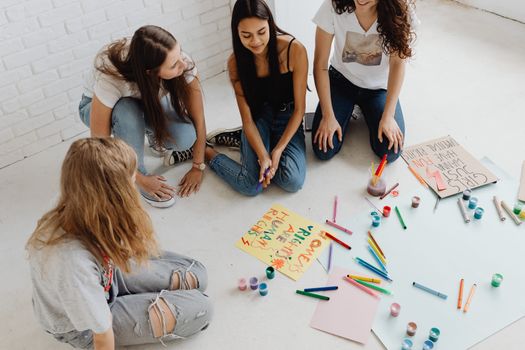
- In Philadelphia, the Mural Arts Program has transformed over 4,000 public spaces with community-created murals, involving over 25,000 young people since its inception in 1984. This initiative has improved neighborhood aesthetics and reduced graffiti vandalism by 60% in targeted areas. - The ArtReach Project in Seattle provides art workshops in underserved schools and community centers. Since 2017, it has served over 6,000 students, with 92% of participants reporting increased confidence and creative expression. - In rural Iowa, a group of parents started a “Traveling Art Box” program, where boxes filled with art supplies rotated among families. Within two years, over 300 children participated, leading to the formation of an annual youth art exhibition at the local library.These stories demonstrate that meaningful change is achievable with dedicated community support, creativity, and collaboration.
Steps to Launch Your Own Community Art Initiative
If you’re inspired to take action, here’s a roadmap for launching a local art education initiative:
1. Identify Needs and Resources Survey local schools, community centers, and families to determine what’s missing—be it supplies, instruction, or opportunities for creative expression. 2. Build Partnerships Connect with teachers, artists, businesses, and local government. Collaborations expand your reach and pool of resources. 3. Set Clear Goals Decide what you want to achieve—whether it’s an after-school program, a mural project, or a series of workshops. Set measurable objectives, such as “engage 100 students in the first year.” 4. Fundraise and Gather Supplies Apply for small grants, seek donations, or host fundraising events. Even modest contributions can have a big impact. 5. Promote and Celebrate Publicize your initiative through social media, local media, and word of mouth. Hold exhibitions or performances to showcase the results and recognize contributors. 6. Evaluate and Adapt Gather feedback from participants and partners. Use what you learn to improve and expand your efforts.Final Thoughts: The Lasting Impact of Supporting Art Education
Contributing to the development of art education in your community is not just an act of generosity—it’s an investment in the future. Artistic skills foster creativity, resilience, and empathy, qualities that benefit individuals and society as a whole. By volunteering, donating, advocating, or launching a project, you help ensure that the transformative power of the arts remains accessible to all. Each small action contributes to a larger movement, building a more vibrant, connected, and inspired community.