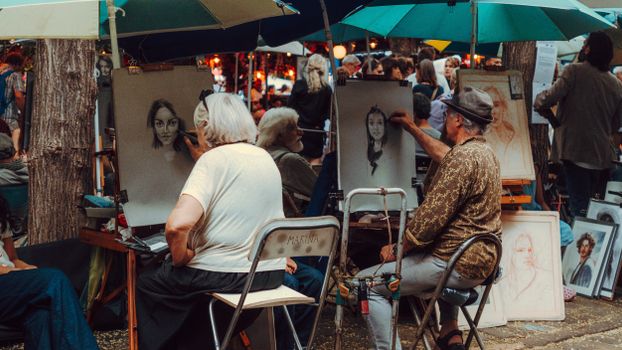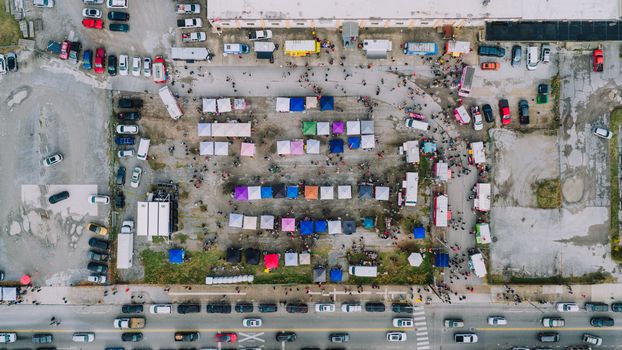
Community photography is emerging as a powerful tool for preserving and protecting local cultural heritage around the world. As rapid globalization and urban development threaten traditional lifestyles, vernacular architecture, and intangible customs, harnessing the collective visual storytelling of communities offers a promising way to document, celebrate, and safeguard what makes each place unique. This article explores how community photography can be used strategically to protect local cultural heritage, offering practical steps, real-world examples, and a comparison of community-led versus institutional preservation efforts.
The Importance of Community Photography in Cultural Heritage Protection
Cultural heritage is more than just monuments or historical artifacts; it includes living traditions, languages, rituals, and the everyday landscapes that shape a community’s identity. According to UNESCO, approximately 50% of the world’s languages are at risk of disappearing by the end of the 21st century, and countless intangible traditions face similar threats. In this context, photography becomes a vital record—capturing not only what exists, but how people interact with their environment and traditions.
Community photography stands apart from traditional documentation methods because it is driven by local residents themselves. This grassroots approach enables authentic representation, fosters local pride, and encourages intergenerational transmission of knowledge. By putting cameras—whether traditional or smartphone-based—into the hands of community members, the process of documenting heritage becomes participatory rather than extractive.
.png)
Essential Steps to Launch a Community Photography Heritage Project
Starting a community photography initiative to protect cultural heritage doesn’t require expensive equipment or expert photographers. The key lies in inclusivity, planning, and a clear focus on heritage elements at risk. Here are practical steps to get started:
1. $1: Work with elders, local historians, and cultural leaders to pinpoint sites, practices, crafts, or stories that are endangered. For example, in the Andean region of Peru, community members documented traditional weaving techniques that were in danger of being lost as younger generations migrated to cities. 2. $1: Hold meetings or workshops to explain the project’s goals. Invite participation from all age groups, ensuring that both youth and elders are involved. This intergenerational approach helps capture a spectrum of perspectives and knowledge. 3. $1: Offer workshops on photography basics—framing, lighting, storytelling. Encourage participants to use whatever cameras they have, including smartphones. In a 2022 project in rural Kenya, over 60% of participants used mobile phones, demonstrating that expensive gear isn’t necessary for impactful documentation. 4. $1: Create a system for storing and organizing photos. Digital platforms such as Google Photos, Flickr, or community-specific websites can be used for archiving. Assign a local curator or committee to select images that best represent the community’s heritage. 5. $1: Organize exhibitions, publish photo books, or create online galleries. Use the collected images to advocate for heritage protection with policymakers, educators, and tourism agencies. In 2019, a community photography exhibition in Oaxaca, Mexico led to increased funding for preserving Zapotec language traditions.Empowering Voices: Inclusivity and Representation in Heritage Documentation
Traditional heritage preservation efforts often overlook marginalized voices, focusing instead on prominent monuments or “official” histories. Community photography offers a democratized platform, enabling representation of diverse groups including women, youth, and ethnic minorities.
For example, in the city of Istanbul, a 2021 project invited Syrian refugees to document their culinary traditions as they merged with Turkish local cuisine. This not only preserved intangible food heritage but also fostered understanding between different cultural groups. Similarly, involving women in heritage photography projects has led to the documentation of domestic crafts and rituals that might otherwise go unrecorded.
Inclusivity also extends to technology access. A United Nations report from 2020 found that 85% of the world’s population now owns a mobile phone, making photography more accessible than ever. By encouraging widespread participation, communities can assemble a multi-faceted archive that reflects the true diversity of their heritage.
Community Photography vs. Institutional Heritage Preservation: A Comparison
How does community-driven photography stack up against traditional, institution-led preservation methods? The table below compares key features:
| Aspect | Community Photography | Institutional Preservation |
|---|---|---|
| Who Documents | Local residents, community members | Professionals, historians, researchers |
| Perspective | Insider, lived experience | Outsider, expert analysis |
| Scope | Everyday life, intangible heritage, underrepresented stories | Monuments, official sites, recognized traditions |
| Cost | Low (often volunteer-driven; uses existing devices) | High (requires funding for equipment, staff, research) |
| Community Impact | High engagement, empowers local voices | Variable, sometimes limited community involvement |
| Longevity | Depends on local ownership and digital archiving | Often preserved in institutions, sometimes less accessible to locals |
While both approaches are valuable, combining them can result in richer, more sustainable heritage preservation.
Case Studies: Community Photography Saving Heritage in Action
Across the globe, community photography initiatives are making tangible impacts in protecting local cultural heritage. Here are three notable examples:
1. $1: In Uttarakhand, villagers used photography to document traditional festivals and folk dances. Their images were presented to local authorities, leading to the inclusion of three festivals in the state’s official heritage list. This not only validated local identity but also attracted cultural tourism, benefiting the economy. 2. $1: In Brooklyn, New York, residents of historically Black neighborhoods photographed murals, street life, and oral histories tied to local businesses. When new development threatened these spaces, the photographic archive provided crucial evidence that helped secure landmark status for several sites in 2021. 3. $1: A 2020 initiative in Chefchaouen involved local youth in photographing endangered Andalusian-style buildings. Their work was shared in schools and online, raising awareness and sparking restoration campaigns funded partly by diaspora communities.These examples show how community photography can lead to concrete action—policy changes, funding, and increased public appreciation for heritage.
Digital Tools and Platforms for Heritage-Focused Community Photography
The digital age has revolutionized how communities can document and share their cultural heritage. Here are some tools and platforms that facilitate this work:
- $1: Hashtags such as #MyHeritage or #LocalVoices encourage sharing and visibility. For instance, the #EverydayAfrica project on Instagram amassed over 400,000 followers, shining a light on daily life and traditions across the continent. - $1: Platforms like Wikimedia Commons allow communities to upload and tag images, creating open-access archives that can be used by educators, researchers, and policymakers. - $1: Apps such as StoryCorps and Historypin enable users to geotag photos, record oral histories, and create interactive heritage maps. In 2023, Historypin reported that over 7,500 community heritage collections had been created using its platform. - $1: During the COVID-19 pandemic, many community groups shifted to online galleries using tools like Google Arts & Culture, reaching global audiences while physical events were impossible.Adopting these digital tools not only broadens the reach of community photography projects but also ensures long-term preservation of collected materials.
Challenges and Solutions in Community-Based Heritage Photography
Despite its promise, community photography for cultural heritage protection faces several challenges:
- $1: Not all community members have equal access to technology. Solutions include providing shared cameras, organizing group outings, or partnering with local schools and libraries. - $1: It’s crucial to obtain consent from photo subjects and to respect sensitive traditions. Establishing clear guidelines and involving local leaders can help navigate these issues. - $1: Digital photos can be lost if not properly archived. Backing up images in multiple formats (cloud, physical drives) and partnering with heritage organizations for storage can safeguard these records. - $1: Initial enthusiasm can wane over time. Regular exhibitions, workshops, and recognition for contributors help maintain momentum.Taking these challenges seriously ensures that community photography projects remain effective and respectful in their heritage protection efforts.
Preserving the Soul of Communities: The Lasting Impact of Local Photography
Community photography transforms the act of documentation into a celebration of local identity and a rallying point for heritage protection. By putting cameras in the hands of those who live, breathe, and embody their culture, these projects create archives that are both inclusive and authentic. With nearly 6.8 billion smartphone subscriptions worldwide as of 2023 (ITU), the potential for widespread, community-driven heritage preservation has never been greater.
Whether capturing an endangered dialect, a fading mural, or a traditional ceremony, community photography offers a powerful, democratic way to protect what makes each place special. Supporting these initiatives, embracing digital tools, and addressing challenges head-on can ensure that the soul of communities endures for generations to come.