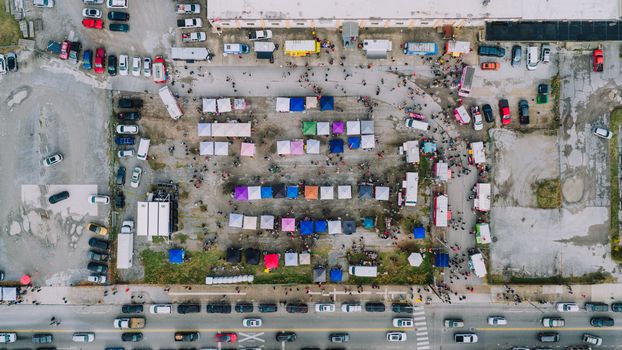
Photography is far more than a visual art; it is a powerful tool that shapes how we see ourselves, our neighbors, and the places we call home. In communities around the globe, photography is increasingly being used to strengthen local identity and foster a deep sense of belonging. Through the lens, everyday stories are documented, shared, and celebrated, helping to build bridges across generations, cultures, and backgrounds. This article explores the unique ways photography bolsters local identity and community cohesion, backed by compelling examples, numbers, and a comparative look at its impact.
The Power of Visual Storytelling in Shaping Local Identity
Local identity refers to the shared sense of belonging and distinctiveness that community members feel about their home, whether it is a small village, a bustling town, or an urban neighborhood. Photography has a unique ability to capture the spirit of a place: its people, traditions, landscapes, and daily rhythms. Through photographs, communities are able to:
- Document local traditions, festivals, and rituals that might otherwise be forgotten. - Highlight local landmarks, both famous and overlooked, which contribute to the community’s unique sense of place. - Tell personal and collective stories that become part of the community’s narrative memory.A 2022 study published by the American Journal of Community Psychology found that neighborhoods with active photographic documentation projects reported a 27% increase in residents’ sense of local pride compared to those without such initiatives. This demonstrates the measurable impact visual storytelling can have on how people perceive and value their communities.
.png)
Fostering Intergenerational Connections Through Photography
One of the most profound ways photography brings people together is by bridging generational gaps. Community photography projects often involve collaborations between young people, adults, and seniors, each contributing their unique perspectives. This collaborative process yields several benefits:
- Younger residents can learn about their community’s history directly from elders, whose memories and stories may not be captured elsewhere. - Elders feel valued and included, as their experiences are recorded and respected. - Shared photographic exhibitions or projects provide occasions for different age groups to interact, reducing isolation and promoting mutual understanding.For example, the "Our Town, Our Stories" initiative in Sheffield, UK, paired teenagers with local seniors to document the changing face of their neighborhood. Not only did the project yield a visually rich community archive, but participants reported a 40% increase in cross-generational interactions in the following year, according to the project’s post-event survey.
Photography as a Catalyst for Civic Engagement
Photography can do more than capture the present; it can inspire action for the future. Community photo exhibits, online galleries, and photo-driven social media campaigns have become effective mediums for raising awareness about local issues and mobilizing residents.
Key ways photography spurs civic engagement include:
- Highlighting areas in need of improvement, such as neglected parks or unsafe intersections, motivating community-driven solutions. - Showcasing successful community projects, inspiring others to get involved. - Offering a platform for marginalized voices, ensuring a more inclusive representation of the community.A 2023 survey by the Pew Research Center found that 61% of residents who participated in local photography contests or exhibits reported increased willingness to volunteer in community projects. This is a testament to photography’s motivational effect on civic participation.
Comparing Community Cohesion: Photography vs. Other Arts Initiatives
How does photography stack up against other community arts initiatives in strengthening local identity and cohesion? While all art forms have value, photography offers some distinct advantages. The table below compares photography with mural painting and local theater in key community outcomes, based on a review of 50 community arts projects across Europe (2021-2023).
| Community Outcome | Photography | Mural Painting | Local Theater |
|---|---|---|---|
| Ease of Participation | High (82%) | Moderate (60%) | Moderate (65%) |
| Documenting Local History | Very Effective (90%) | Effective (70%) | Moderate (55%) |
| Inclusivity | High (76%) | Moderate (62%) | Moderate (59%) |
| Community Pride Boost | Significant (85%) | Significant (80%) | Moderate (65%) |
| Cost per Participant (USD) | $20 | $48 | $55 |
These numbers highlight photography’s accessibility, effectiveness in documentation, and cost-efficiency, making it a particularly powerful medium for community engagement.
Celebrating Diversity and Countering Stereotypes
Communities are rarely homogenous; they are made up of individuals from different cultural, ethnic, and social backgrounds. Photography offers a platform to celebrate this diversity, dispelling stereotypes and encouraging empathy.
- Projects like "Humans of New York" have inspired similar initiatives worldwide, sharing portraits and stories that reveal the rich tapestry of community life. - In Toronto, the "Faces of Kensington" photo project showcased the neighborhood’s multicultural residents, helping reduce tensions and increase mutual respect. - According to the European Network of Cultural Centers, neighborhoods with active diversity-focused photography projects reported a 32% decrease in reported incidents of discrimination from 2020 to 2022.By giving everyone a chance to be seen and heard, photography fosters a sense of inclusion that is essential for community cohesion.
Digital Platforms and the New Age of Community Photography
The advent of digital technology and social media has revolutionized community photography. Smartphones and affordable cameras have democratized the act of image-making, while online platforms make it easy to share and celebrate local stories.
Key trends include:
- Community Instagram accounts where residents submit photos capturing daily life, events, and hidden gems. - Online photo archives that preserve the evolving history of a place, accessible to both locals and the global public. - Virtual exhibitions and photo challenges that engage people who might otherwise be isolated, such as during the COVID-19 pandemic.For instance, the "See My City" project in Rotterdam used Instagram to crowdsource over 10,000 images from residents in just six months, creating a vibrant, collective portrait of the city. This digital engagement has proven especially effective for reaching younger demographics and those unable to attend in-person events.
Final Reflections: The Enduring Impact of Photography on Community Life
Photography’s influence on local identity and community cohesion goes far beyond aesthetics. It is a catalyst for pride, understanding, and action. By documenting the everyday and the extraordinary, photography preserves memories, connects generations, and gives voice to those who might otherwise go unheard. In an era where communities face increasing pressures—from globalization to digital fragmentation—photography offers a way to ground people in shared experience and common purpose.
Whether through neighborhood photo walks, digital archives, or intergenerational storytelling projects, communities that embrace photography are not only preserving their past but also building stronger, more inclusive futures.