Photography as a Tool for Advocating Social Change: Examples and Inspiration
Photography has long been more than just an art form or a means to capture memories; it is a powerful medium for storytelling and advocacy. Images have the unique ability to transcend language barriers, evoke deep emotions, and provoke thought. Throughout history and into the digital age, photography has been at the forefront of movements for justice, equality, and social transformation. In this article, we explore how photography serves as a catalyst for social change, highlight compelling real-world examples, and offer inspiration for those wanting to use their lens for advocacy.
The Transformative Power of Visual Storytelling
Photography’s greatest strength lies in its capacity to document reality and present it in a way that words alone cannot. A single, well-composed photograph can crystallize complex social issues, making them immediate and personal. According to a 2022 study by the International Center of Photography, viewers retain 65% of visual information three days after seeing it, compared to just 10% when reading text alone. This striking difference highlights why photographs are so impactful in advocacy campaigns.
A classic example is Nick Ut’s “Napalm Girl” photograph from the Vietnam War, which altered public perception and fueled anti-war sentiment worldwide. More recently, images like the haunting photo of Alan Kurdi, the Syrian boy whose body washed ashore in 2015, brought global attention to the refugee crisis. These images shaped public discourse, influenced policy, and inspired widespread humanitarian action.
.png)
Historic Milestones: Iconic Photographs That Changed Society
Throughout history, certain photographs have not only documented social movements but have also helped propel them forward. Here are several iconic images that exemplify photography’s influence:
- “Migrant Mother” by Dorothea Lange (1936): Captured during the Great Depression, this photograph of Florence Owens Thompson and her children symbolized the plight of struggling families and helped garner support for New Deal relief programs. - “Tank Man” in Tiananmen Square (1989): This image powerfully represented the courage of individuals standing up to oppression, inspiring pro-democracy movements around the world. - “Earthrise” by William Anders (1968): Taken during the Apollo 8 mission, this photograph showed Earth from space, igniting the environmental movement and leading to the first Earth Day in 1970.Each of these images demonstrates how photographs can encapsulate moments of struggle, resistance, or hope, serving as rallying points for collective action and social change.
Contemporary Photojournalism: Documenting Modern Struggles
Today, photojournalists continue to play a crucial role in documenting contemporary social issues, from climate change to racial injustice. With the rise of digital media and social networks, their work is more accessible and immediate than ever before.
Notable modern examples include:
- The work of Lynsey Addario, whose coverage of conflicts and humanitarian crises in Afghanistan, Darfur, and the Middle East has not only raised awareness but also driven donations to relief organizations. - Zanele Muholi, a South African visual activist, uses portraiture to highlight the lives and challenges of Black LGBTQ+ communities, challenging stereotypes and promoting inclusivity. - Marcus Bleasdale’s documentation of conflict minerals in the Democratic Republic of Congo, which contributed to international policy changes and increased corporate accountability.The reach of photojournalistic images is amplified by platforms like Instagram, Twitter, and news outlets, allowing stories that might once have remained hidden to spark global conversations and action.
Comparing Advocacy Photography: Traditional vs. Social Media Impact
The way advocacy photography is shared and received has evolved dramatically over the past two decades. Traditional print and exhibition formats remain influential, but the rise of social media has transformed the speed and scope of impact. The following table highlights key differences:
| Aspect | Traditional Photography (Print/Exhibitions) | Social Media Photography |
|---|---|---|
| Reach | Thousands (local/national audiences) | Millions (global audiences instantly) |
| Speed of Spread | Days to months | Immediate, real-time sharing |
| Viewer Engagement | Passive (viewing at galleries, in books) | Active (liking, sharing, commenting) |
| Longevity | Long-lasting (archived, historical) | Viral but can be fleeting |
| Influence on Policy | Indirect, often requiring time | Potentially direct, immediate reactions |
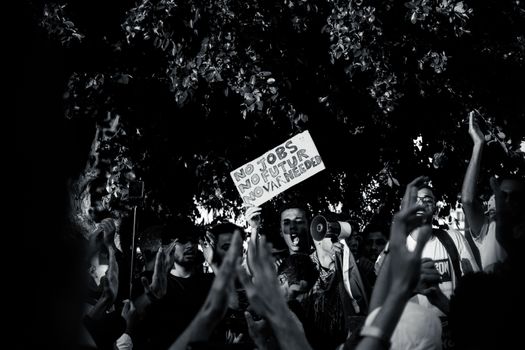
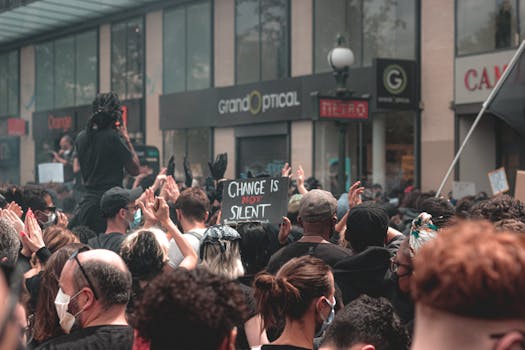
One striking example is the 2020 Black Lives Matter movement, where the rapid sharing of photographs and videos of protests, and incidents of injustice, mobilized millions worldwide within days. This immediate visibility prompted legislative reviews and corporate commitments to diversity and inclusion.
Grassroots Movements and Participatory Photography
Beyond professional photojournalists, everyday people are now empowered to document and share their realities, thanks to smartphones and affordable cameras. This democratization of photography gives voice to those often overlooked in mainstream media.
Participatory photography projects, such as “PhotoVoice” and “Everyday Africa,” enable communities to tell their own stories. In PhotoVoice projects, participants use cameras to capture their daily lives, drawing attention to issues like disability, homelessness, or environmental degradation from an insider’s perspective. A 2019 PhotoVoice project in London involved 150 young people documenting the impact of knife crime, helping influence local youth policies.
Similarly, “Everyday Africa” began as an Instagram feed by photojournalists Peter DiCampo and Austin Merrill and has since grown into a movement challenging stereotypes about African life by showcasing images taken by Africans themselves. These grassroots initiatives foster empathy, challenge prejudices, and encourage collaborative solutions to social problems.
Inspiring Changemakers: Photographers Who Advocate
If you’re seeking role models in advocacy photography, look no further than individuals who have dedicated their lives to using their cameras for change. Here are a few inspiring figures:
- Sebastião Salgado: Known for documenting the plight of workers and displaced populations, Salgado’s projects, such as “Workers” and “Genesis,” have inspired environmental restoration efforts, including the reforestation of Brazil’s Atlantic Forest. - JR: This French artist combines photography and street art in large-scale public installations, such as “Inside Out,” which has engaged over 400,000 participants from more than 140 countries to share untold stories. - Shahidul Alam: A Bangladeshi photographer and activist, Alam established the Drik Picture Library and Pathshala South Asian Media Institute, empowering marginalized voices through education and media training.These changemakers demonstrate that advocacy through photography is not limited to capturing suffering; it also includes celebrating resilience, fostering dignity, and inspiring hope.
How to Use Photography for Social Advocacy: Steps and Inspiration
If you’re passionate about making a difference with your camera, here are practical steps to get started:
1. Identify Your Cause: Focus on a social issue you are passionate about, whether it’s local or global. Understanding the nuances of the topic ensures respectful and impactful storytelling. 2. Engage with Communities: Build trust and work collaboratively with those whose stories you wish to tell. Participatory methods often yield richer, more authentic images. 3. Seek Permission and Practice Ethics: Always obtain informed consent, especially when photographing vulnerable individuals. Adhere to ethical guidelines to avoid exploitation. 4. Share Strategically: Use social media, exhibitions, or collaborations with NGOs to maximize your images’ reach and impact. Consider partnering with advocacy groups to align your work with broader campaigns. 5. Measure Impact: Track engagement, feedback, and real-world outcomes—such as policy changes or increased donations—to assess the effectiveness of your visual advocacy.For inspiration, look to projects like “Humans of New York,” which started as a personal project and grew into a global storytelling phenomenon, raising millions for individuals and causes featured in its posts.
Final Thoughts on Photography’s Role in Social Change
Photography remains a potent force for social advocacy, bridging divides and shining a light on injustice, resilience, and hope. Whether through iconic images that change history, grassroots initiatives that empower communities, or modern social media campaigns, the power of the lens is undeniable. As technology continues to evolve, so too does the potential for photography to inspire, mobilize, and transform society. Anyone with a camera can contribute to this movement—what stories will you choose to tell?