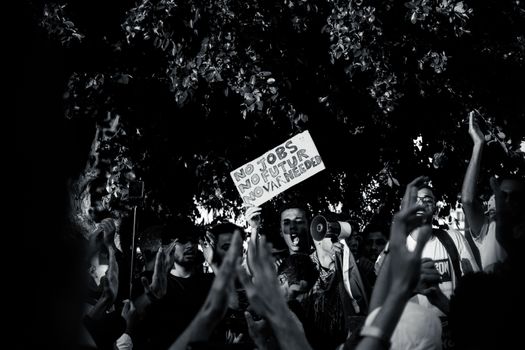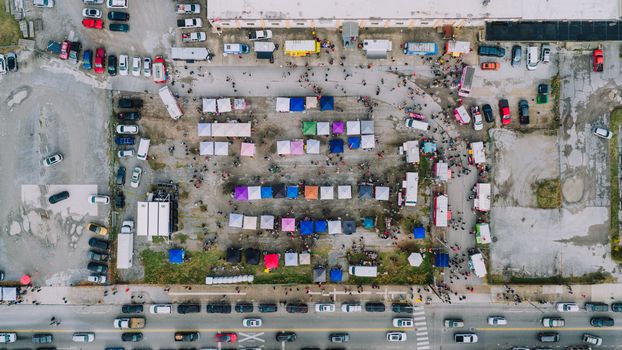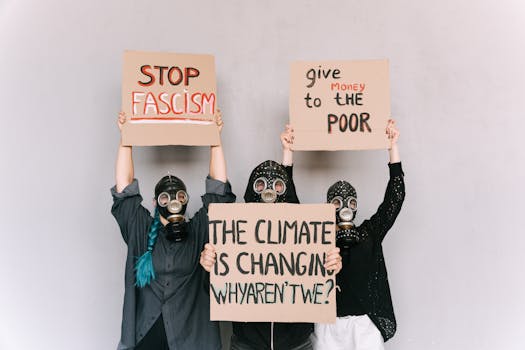
Photography is more than just a creative outlet—it is a powerful tool for storytelling and advocacy, especially when it comes to highlighting regional issues. Throughout history, images have shaped public opinion, inspired action, and brought attention to challenges that might otherwise have gone unnoticed. From environmental crises in remote areas to social struggles in underserved communities, photography has played a crucial role in raising awareness and prompting real-world change. In our visually driven age, understanding the importance of photography in spotlighting regional issues is more relevant than ever.
The Unique Power of Visual Storytelling
Photography transcends language and cultural barriers, making it a universal medium for conveying complex realities. Unlike long articles or academic reports, a single photograph can instantly communicate the urgency or gravity of a situation. According to a 2022 report by the Pew Research Center, 76% of people said they felt more emotionally connected to a cause after seeing compelling images compared to reading about it.
Visual storytelling can humanize statistics and data, putting faces to numbers. For example, during the 2010 Haiti earthquake, widely circulated photographs of survivors and devastated neighborhoods mobilized international support and donations, raising over $13 billion in aid.
.png)
Moreover, photographs can serve as historical records. They preserve moments that might otherwise fade from public memory, ensuring that regional challenges remain part of the broader conversation. In an age of information overload, striking images cut through the noise, demanding attention and empathy.
Case Studies: Photography Driving Awareness and Change
Regional issues often struggle to gain national or global attention, especially when they occur in remote or marginalized areas. However, photojournalists and local photographers have repeatedly bridged this gap. Consider the following examples:
- The Flint Water Crisis: Local photographers documented the effects of contaminated water on residents in Flint, Michigan. Their images were widely shared on social media and in major news outlets, amplifying calls for accountability and infrastructure repair. - The Syrian Refugee Crisis: Iconic photographs, such as the image of Alan Kurdi, the young boy who drowned in the Mediterranean Sea, galvanized international humanitarian efforts and policy debates. - The 2019 Amazon Rainforest Fires: Satellite and ground-level photographs of burning forests brought immediate global focus to deforestation and its impact on Indigenous communities and the environment.In each case, photography didn’t just inform—it motivated action, drove fundraising, and shaped policy discussions. According to World Press Photo, 68% of surveyed global NGOs reported that impactful images directly increased their fundraising and advocacy success.
Regional Issues That Benefit Most from Photography
While virtually any issue can be highlighted through photography, some regional challenges are particularly well-suited to visual documentation.
1. Environmental Degradation Images of polluted rivers, barren landscapes, or endangered wildlife can illustrate the extent of ecological damage far more effectively than words. The National Geographic Society notes that conservation campaigns featuring strong imagery are up to 40% more likely to receive public engagement. 2. Public Health Crises Photos showing the effects of disease outbreaks, lack of sanitation, or malnutrition can prompt international aid and policy changes. During the Ebola outbreak in West Africa (2014-2016), images from local hospitals and affected communities drew global attention and accelerated aid responses. 3. Social Inequality Photographs capturing daily life in marginalized neighborhoods, or documenting protests and community efforts, help highlight disparities and the need for systemic change. For example, the Black Lives Matter movement saw a surge in photographic documentation, which played a significant role in global solidarity and activism. 4. Cultural Heritage at Risk Regional identities are often tied to physical places and traditions. Images documenting the destruction of historic sites or the fading of cultural practices can inspire preservation efforts and international support.Comparing the Impact: Photography vs. Other Awareness Tools
To understand photography’s unique role, it’s helpful to compare it to other common tools used to raise awareness of regional issues, such as written reports, video documentaries, and social media campaigns.
| Medium | Speed of Engagement | Emotional Impact | Accessibility | Longevity |
|---|---|---|---|---|
| Photography | Instant | High | Universal | Long-lasting |
| Written Reports | Slow | Moderate | Requires literacy | Reference value |
| Video Documentaries | Moderate | Very High | Requires time/tech | Medium |
| Social Media | Instant | Variable | High | Short-lived |
Photography stands out for its immediacy, emotional resonance, and ability to cross language barriers. Unlike lengthy reports or videos, a photograph can be understood in seconds and often leaves a lasting impression.
Ethical Considerations and Responsibilities
The power of photography comes with ethical responsibilities. Photographers must be mindful of how they portray individuals and communities, especially when documenting sensitive regional issues. Misrepresentation, exploitation, or invasion of privacy can cause harm and undermine the credibility of advocacy efforts.
Best practices include: - Obtaining informed consent from subjects, especially in vulnerable situations. - Providing context to avoid perpetuating stereotypes or misinformation. - Collaborating with local communities to ensure accurate and respectful storytelling.According to the Ethical Journalism Network, 83% of professional photojournalists surveyed in 2023 emphasized the need for clear ethical guidelines when covering regional crises. Responsible photography not only respects subjects but also builds trust with audiences and strengthens the impact of advocacy campaigns.
The Role of Technology and Citizen Photography
The rise of smartphones and social media has democratized photography, allowing ordinary citizens to document and share regional issues in real time. According to Statista, as of 2023, there are over 6.8 billion smartphone users worldwide, each with the potential to bear witness and raise awareness.
Citizen photography can: - Provide immediate, on-the-ground perspectives that may be inaccessible to traditional media. - Highlight underreported or emerging issues before they reach mainstream attention. - Empower communities to tell their own stories, fostering agency and local advocacy.However, this democratization also presents challenges, such as the spread of misinformation, lack of context, or privacy concerns. Balancing accessibility with accuracy is an ongoing task for both amateur and professional photographers.
Why Photography Remains Essential for Regional Advocacy
Despite advances in technology and communication, photography remains irreplaceable in the fight to raise awareness of regional issues. Its ability to humanize, inform, and mobilize makes it an essential tool for advocates, journalists, and communities alike.
Images not only capture moments in time but also serve as catalysts for dialogue and change. Whether through professional photojournalism or citizen documentation, photography helps ensure that regional challenges are seen, understood, and addressed by a wider audience.