Art has always been a powerful tool for human expression, storytelling, and connection. Yet, beyond its role in culture and history, art carries profound implications for our mental health—especially during times of crisis. Whether facing personal turmoil or collective challenges such as a global pandemic, natural disaster, or social upheaval, individuals often turn to artistic activities for comfort, resilience, and healing. In recent years, scientific research has begun to validate what many have intuitively known: engaging with art, whether through creation or appreciation, can significantly improve mental well-being. This article explores the impact of art on mental health, the mechanisms behind its therapeutic effects, and real-world examples of how art becomes a lifeline in times of crisis.
How Art Influences the Brain and Emotions
The human brain responds to art in remarkable ways. Neuroimaging studies reveal that viewing or creating art activates multiple brain regions, including those related to emotion, memory, and reward. According to a 2017 study published in the journal $1, participants who engaged in just 45 minutes of creative activity showed lower levels of the stress hormone cortisol. This physiological response suggests that art isn’t just a pleasant diversion; it has measurable effects on the nervous system.
Art’s impact on the brain extends to the release of dopamine, a neurotransmitter associated with pleasure and motivation. This is one reason why engaging with art can feel rewarding and uplifting, even in difficult circumstances. Furthermore, the process of making art often requires focus and mindfulness, which can help interrupt cycles of rumination and anxiety.
.png)
Art as a Coping Mechanism in Times of Crisis
During periods of crisis—such as the COVID-19 pandemic, wars, or personal losses—people often face heightened stress, anxiety, and uncertainty. Art provides a constructive outlet to process emotions and regain a sense of control. For example, a 2021 survey by the American Psychological Association found that 56% of adults used creative activities (including art) to manage stress during the pandemic.
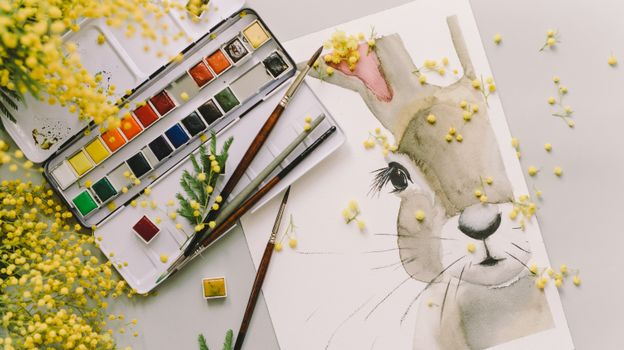
Art lets individuals externalize complex feelings that can be hard to articulate in words. Drawing, painting, or sculpting can act as a form of non-verbal communication, making it easier to process trauma or grief. In refugee camps, art therapy programs have helped children express their experiences and build resilience. Similarly, community art projects following natural disasters can foster solidarity and hope, giving people a way to collectively mourn, remember, and rebuild.
Therapeutic Art Practices: Evidence and Approaches
Art therapy is an established mental health profession that harnesses the creative process for psychological healing. According to the Art Therapy Credentials Board, there are over 6,000 credentialed art therapists in the United States alone as of 2023. Art therapy can be practiced individually or in groups, in settings ranging from hospitals and clinics to schools and disaster zones.
A 2020 meta-analysis published in $1 reviewed 37 randomized controlled trials and found that art therapy interventions led to significant reductions in depression and anxiety symptoms, particularly among trauma survivors and individuals with chronic illness. Techniques used in art therapy include:
- Guided drawing or painting to explore emotions - Collage-making to process memories or goals - Group mural projects to encourage teamwork and belonging - Mandala coloring for relaxation and mindfulnessArt therapy is especially effective for populations who may struggle with traditional talk therapy, such as children, people with language barriers, or those experiencing severe trauma. For instance, hospitals often use art therapy with cancer patients to reduce anxiety and improve quality of life during treatment.
Community-Based Art Initiatives During Global Crises
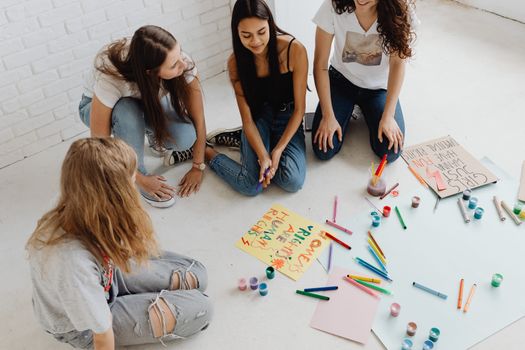
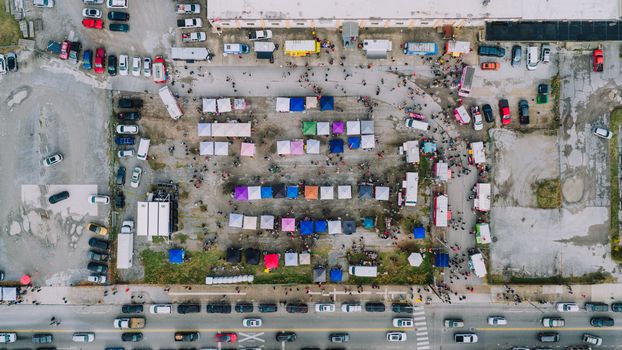
In times of widespread crisis, community art initiatives can play a critical role in healing and cohesion. Throughout history, societies have turned to collective artistic expression during wars, pandemics, and social upheavals. During the COVID-19 lockdowns, for example, residents in cities across the world painted rainbows in windows and on sidewalks to symbolize hope and solidarity.
A notable project, the "Corona Quilt Project," launched in India in 2020, invited people to create quilt squares reflecting their pandemic experiences. Over 10,000 contributions were stitched together and displayed publicly, offering a tangible symbol of shared resilience. Similarly, after the Manchester Arena bombing in 2017, community mural projects helped residents process grief and rebuild a sense of safety.
These projects show that art not only assists individuals but strengthens communities by providing a shared language for healing. Public art installations, collaborative murals, and virtual galleries became lifelines for many, breaking through isolation and giving people a sense of purpose.
Comparing Art Engagement: Creation vs. Appreciation
Both creating and appreciating art can benefit mental health, but their effects may differ. The table below summarizes some key differences based on recent research.
| Aspect | Creating Art | Appreciating Art |
|---|---|---|
| Main Benefit | Active emotional processing, increased self-expression | Stress reduction, enhanced mood, cognitive stimulation |
| Brain Activation | Motor cortex, prefrontal cortex, emotion centers | Visual cortex, reward pathways, empathy networks |
| Effectiveness for Trauma | High (externalizing difficult emotions) | Moderate (provides comfort and reflection) |
| Accessibility | May require materials and space | Accessible via museums, online galleries, public art |
| Example Activity | Painting, drawing, sculpting | Visiting a museum, attending a concert, viewing murals |
A 2018 study in the journal $1 found that both viewing and making art led to reductions in stress, but those who actively created art reported greater gains in self-esteem and emotional expression.
Digital Art and Virtual Art Experiences: New Frontiers for Mental Health
With the rise of technology, access to art has expanded beyond physical studios and galleries. During the pandemic, virtual museum tours, online art classes, and digital exhibitions became crucial for maintaining mental wellness. A 2020 report by Google Arts & Culture noted a 300% increase in virtual museum visits between March and June 2020.
Digital platforms have also democratized art creation. Online workshops, mobile drawing apps, and virtual reality art programs make it easier for people of all ages and abilities to experiment with creative expression. For those unable to leave home, these tools reduce barriers and offer a safe, engaging way to manage stress and anxiety.
Studies suggest that even digital art-making can produce similar psychological benefits to traditional art. For example, a 2022 study from the University of Vienna found that participants in virtual art workshops experienced significant improvements in mood and social connection, especially among those who felt isolated or vulnerable.
Final Reflections: Why Art Matters for Mental Health in Challenging Times
Art is far more than decoration or entertainment—it is a lifeline for mental health, especially during times of crisis. Scientific evidence, historical precedent, and countless personal stories confirm that engaging with art, whether through creation or appreciation, can reduce stress, foster resilience, and build community. As society faces ongoing and emerging challenges, integrating art into mental health strategies and crisis response is not a luxury but a necessity.
Whether picking up a paintbrush, joining a virtual art group, or simply taking in a local mural, the act of engaging with art offers solace and hope. In times of uncertainty, art reminds us of our shared humanity and our enduring capacity to heal and connect.