Dance: A Universal Language for Community Bonding
Few forms of human expression are as vibrant, inclusive, and universally understood as dance. Across continents and cultures, dance has long served as a means to convey emotions, tell stories, and celebrate milestones. Yet beyond its artistic or performative aspects, dance is a profound connector—bridging divides, fostering social cohesion, and strengthening the fabric of communities. As the world becomes increasingly interconnected, the role of dance in community bonding is gaining renewed recognition. This article explores how dance transcends language barriers, sparks collective joy, and forges lasting community ties.
The Timeless Role of Dance in Human Societies
From prehistoric cave paintings in India depicting dancers dating back nearly 9,000 years, to the elaborate court ballets of Renaissance Europe, dance has always existed at the heart of human societies. Historically, dance was not only entertainment but an essential medium for ritual, communication, and social organization. Anthropologists have identified more than 1,600 distinct dance forms worldwide, each serving unique communal functions—be it sowing seeds, celebrating harvests, or marking rites of passage.
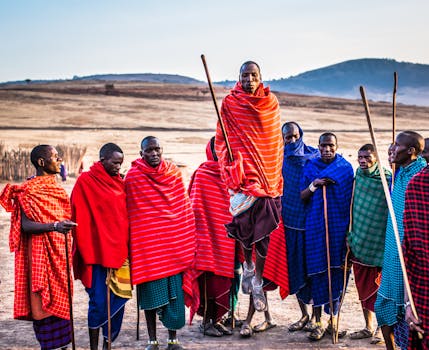
In Sub-Saharan Africa, communal dances like the Ewe people’s Agbekor were used for both warfare preparation and village celebrations. In Indigenous Australian cultures, corroboree dances represented communal storytelling and spiritual connection. Even today, traditional dances form the centerpiece of festivals and ceremonies, reinforcing community bonds by engaging all members, regardless of age or background.
.png)
Diverse Dance Forms, Shared Purposes
Despite vast differences in style and context, most dance traditions share core purposes: celebration, healing, socialization, and identity affirmation. Here’s a comparative overview of various dance forms and their community functions:
| Region | Dance Form | Community Purpose | Estimated Age |
|---|---|---|---|
| India | Bharatanatyam | Religious worship, storytelling | ~2,000 years |
| Brazil | Samba | Carnival celebration, social unity | ~200 years |
| Ireland | Ceili dancing | Community gatherings, courtship | ~400 years |
| United States | Hip-Hop | Self-expression, social commentary | ~50 years |
| West Africa | Kpanlogo | Youth unity, storytelling | ~60 years |
These examples illustrate that while the steps and rhythms may differ, the underlying intention—to bring people together—remains universal.
How Dance Bridges Cultural and Linguistic Divides
One of dance’s most remarkable qualities is its ability to communicate without words. Unlike spoken or written language, the movement of bodies in rhythm can be instantly understood and appreciated by virtually anyone, regardless of nationality or mother tongue. This nonverbal nature makes dance an ideal tool for cross-cultural connection.
For instance, UNESCO’s International Dance Council estimates that over 150 countries participate annually in International Dance Day, celebrated on April 29. In these events, participants often perform and learn dances from cultures other than their own, fostering empathy, understanding, and mutual respect. A 2019 study published in Frontiers in Psychology found that group dance activities increased social closeness and trust, even among strangers from diverse backgrounds.
Contemporary initiatives such as Dance for Peace in conflict zones, or global flash mobs, demonstrate how a shared dance experience can momentarily dissolve linguistic, political, and social barriers, enabling participants to connect on a fundamentally human level.
Dancing for Social Inclusion and Well-Being
Beyond its unifying symbolism, dance has practical benefits for community health and inclusion. Group dance activities have been shown to reduce feelings of isolation, improve mood, and promote physical well-being. According to the World Health Organization, loneliness is associated with a 29% increased risk of heart disease and a 32% increased risk of stroke. Community dance programs, particularly those targeting seniors or marginalized groups, offer a powerful antidote.
A notable example is the “Dance for PD” program, which began in Brooklyn, New York, in 2001. Designed for people with Parkinson’s disease, the initiative now reaches thousands in over 300 communities worldwide, using dance to enhance mobility, balance, and social connection. Similarly, youth dance projects such as “Breakin’ Convention” in the UK use hip-hop to engage at-risk teens, boosting confidence and providing a positive, collective outlet.
Statistics reinforce dance’s value: A 2020 survey by One Dance UK found that 74% of participants in community dance projects reported improved mental health, while 68% made new friendships through dance.
Festivals, Flash Mobs, and the Power of Collective Joy
Few experiences generate collective joy like dancing together in a public space. From massive festivals to spontaneous flash mobs, these events harness dance’s power to ignite community spirit. The Rio de Janeiro Carnival, for example, draws over 2 million people each year to dance samba in the streets—blurring lines between performers and audience, locals and tourists.
Flash mobs, which surged in popularity in the early 2000s, are another testament to dance’s connective force. One of the largest, the “Thriller” dance mob in Mexico City in 2009, drew over 13,000 participants. These events, often organized via social media, create instant communities united by movement and music.
Meanwhile, local dance festivals in towns worldwide—from Irish céilís to African drum-and-dance nights—bring people of all ages and backgrounds together. These gatherings foster pride, intergenerational exchange, and a sense of belonging that persists long after the music stops.
Modern Innovations: Digital Dance Communities
The digital age has transformed how dance can foster community. During the COVID-19 pandemic, when in-person gatherings were restricted, millions turned to virtual dance classes and challenges. TikTok, the short-form video platform, became a global stage; in 2020, the #DanceChallenge hashtag garnered over 40 billion views.
Virtual dance events such as “Dance Church” and Zoom-based salsa parties allowed people to connect and move together across continents. Digital platforms also democratized dance, making lessons and performances accessible to those previously excluded by geography, ability, or resources.
Research supports this trend: A 2021 study in the Journal of Dance Education found that 63% of participants in online dance programs reported feeling more connected to others during lockdowns. As technology continues to evolve, digital dance communities are likely to remain a vital complement to in-person gatherings.
Conclusion: Dance as an Enduring Force for Unity
Whether performed in the glow of a bonfire, the grandeur of a theater, or the pixels of a smartphone screen, dance endures as a universal language—a bridge across differences and a generator of joy. Its rhythms synchronize hearts, its patterns dissolve social boundaries, and its gatherings forge new bonds. In an era where connection is both more possible and more necessary than ever, dance offers a timeless answer: move together, and community will follow.